


Most clutch jobs in Ontario land between roughly US$1,200 and US$2,500 all-in, and the labour is usually the bigger line item. That's because the work is pulling the transmission, not just swapping a part, and once a clutch starts slipping, the invoice can climb fast if the flywheel or hydraulics are tired too.
You're usually not looking at a polite little repair when the clutch goes. You're looking at a car that's starting to flare on acceleration, creep without grabbing, or leave the pedal feeling wrong enough that every stoplight turns into a stress test.
The Moment You Realize Your Clutch Is Gone
The driver's seat tells the story before the work order does. You press the pedal, the revs rise, and the car doesn't move the way it should, or the pedal suddenly feels soft, high, or inconsistent. Sometimes the first warning is a burnt smell after a hill or a stop-and-go crawl through Whitby traffic, sometimes it's a gear that refuses to engage cleanly.
That's the point where people usually start asking what the repair will cost, and the answer is never just “a clutch.” A clutch replacement is a drivetrain job, and the car has to come apart enough that the transmission can be removed. That's why a quote can look bigger than expected even when the clutch disc itself isn't especially expensive.
If the pedal is going to the floor, the slip is obvious in higher gears, or the car is hesitating to take load, don't keep driving it as if it'll clear up. It won't, and every extra kilometre can turn a straightforward job into a longer one if heat has already started cooking the flywheel.
A quick diagnostic visit can separate a tired clutch from a hydraulic issue or a linkage problem, and that matters before you approve a major repair. If you're in the Whitby area and the symptoms are still fuzzy, a proper engine diagnostics check in Whitby is the cleaner first move than guessing at parts.
Practical rule: when a manual car starts slipping under load, the clock is already running on labour and related wear.
What Actually Shows Up on the Invoice
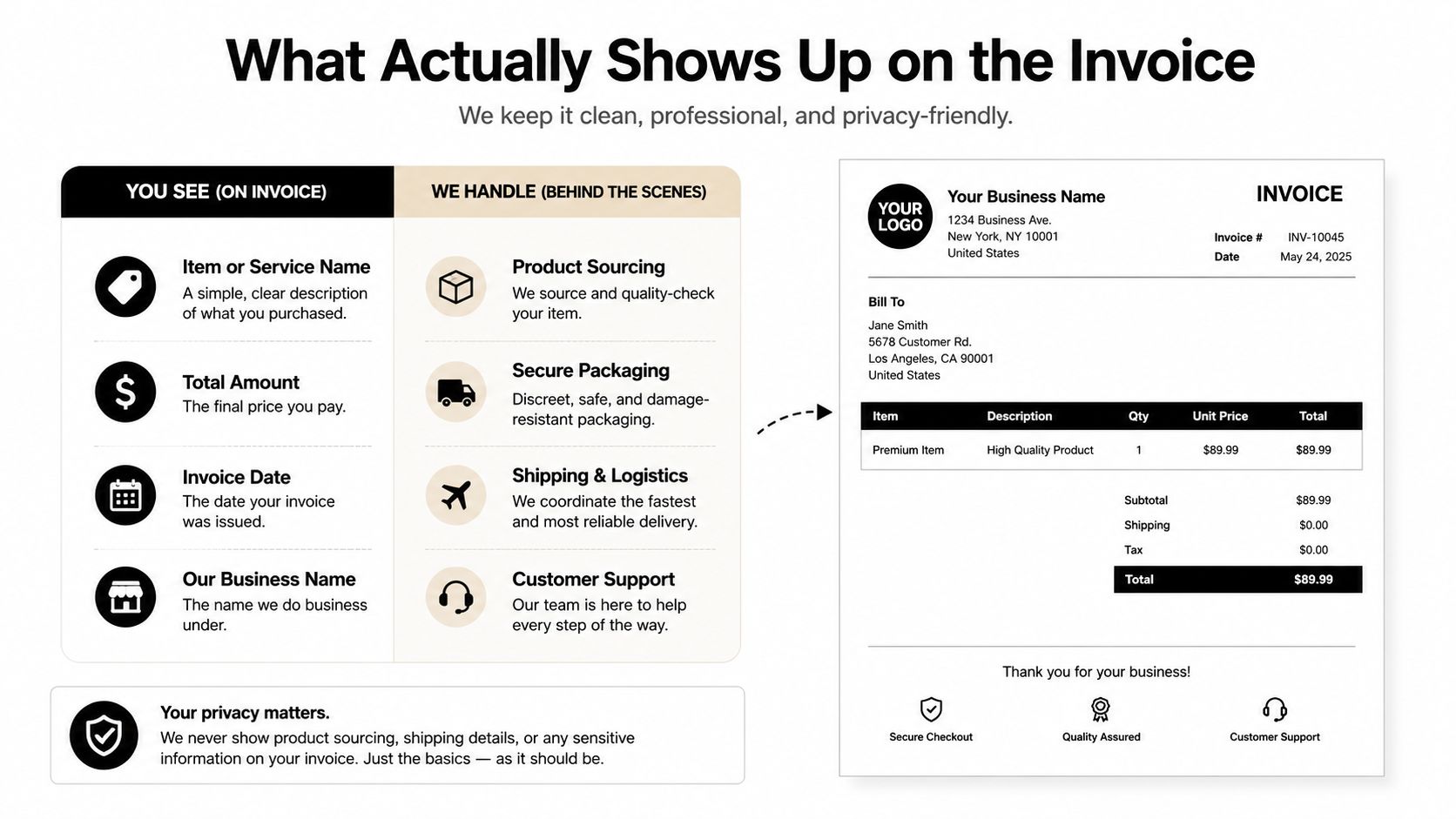
The invoice usually has two real pillars, parts and labour, and labour is commonly the heavier one. In the widely cited North American estimate, a clutch replacement totals US$1,618 to US$2,029, with US$809 to US$1,187 tied to labour and US$809 to US$842 tied to parts. That split is the part most drivers miss, because the clutch kit gets all the attention while the transmission removal eats the bill alive. RepairPal's clutch replacement estimate lays out that labour-heavy pattern clearly.
Reading the estimate like a shop does
A normal quote may include the clutch kit, release bearing, and sometimes the flywheel service if the shop expects wear there. The final total can also pick up supplies, shop fees, and tax, so the line items matter more than the headline number. If the shop is vague about whether the flywheel is included, you're not looking at a finished quote, you're looking at a starting point.
For everyday vehicle types, the range shifts with packaging and driveline complexity. Consumer-facing guidance puts most jobs in the broader US$500 to US$2,500 window, with economy and compact cars often around US$600 to US$1,000, pickup trucks and SUVs commonly US$700 to US$1,500, and European luxury vehicles sometimes rising to US$1,000 to US$3,000. That's the practical spread Whitby drivers run into when they compare one estimate against another.
If you're cross-shopping parts choices, the difference between OEM and aftermarket components is worth understanding before you approve anything. A good overview of that trade-off is Carmedics' OEM versus aftermarket parts guide, especially if the quote is close enough that parts quality could swing the decision.
A cleaner invoice isn't just about the total. It's about seeing exactly which line pays for the kit, which line pays for the bay time, and which line protects you from a comeback repair.
The Hidden Cost Multipliers Most Quotes Forget to Mention
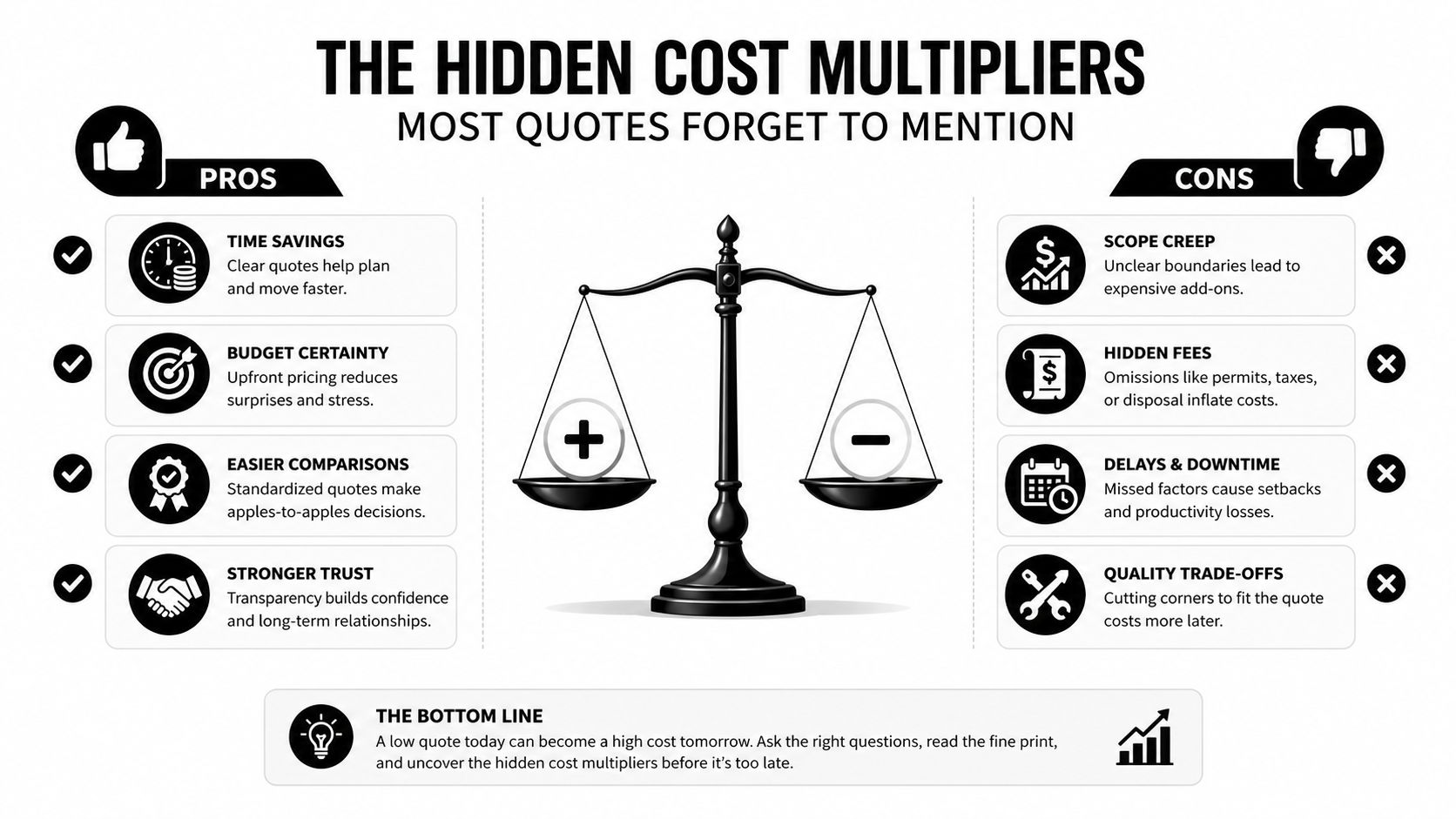
The big number on a clutch quote usually hides a few smaller decisions that matter a lot. The first one is the flywheel. If it's a dual-mass unit, heat or chatter can make it a real cost multiplier, because the shop may need to resurface or replace it instead of bolting in a fresh clutch kit.
The parts that quietly move the total
Pilot bearings, release bearings, hydraulic slave cylinders, and rear main seal leaks are all the sort of things a careful shop checks while the transmission is already out. That doesn't mean every car needs all of them, but if one of those parts is already marginal, leaving it alone is the kind of shortcut that boomerangs back later. The invoice gets bigger because the labour overlap is already there.
Drivetrain layout matters too. A transverse engine, tight subframe packaging, or all-wheel-drive hardware can turn a routine manual job into awkward, time-consuming work. That's one reason a quote on a compact hatchback and a quote on a performance sedan can look like they belong to different worlds.
Practical rule: if the transmission has to come out, the shop should inspect everything the transmission hides.
Performance and diesel applications also tend to push the bill upward because the clutch package itself can be more specialised, and the labour can be less forgiving. Consumer guides also note that dual-clutch or DSG-style setups sit on the expensive end of the market, which lines up with what many drivers see when the vehicle is no longer a simple everyday manual.
For drivers trying to compare one estimate with another, a separate cost guide on transmission fluid change pricing helps show how service labour stacks up in drivetrain work, even though a clutch job is a much deeper repair. That comparison matters because it stops people from thinking every line under the car should price out the same way.
A useful outside reference for transport planning, if the repair forces you to move the car elsewhere, is transparent flat-rate shipping. It's not about the clutch itself, it's about understanding how moving a non-drivable car can become part of the total ownership cost.
DIY Garage Versus Professional Shop
A clutch can be done at home, but it isn't a casual weekend bolt-on. You need space, patience, and the right lifting equipment, because the transmission has to come out cleanly and go back in without damaging the input shaft, clutch disc, or hydraulics.
Side by side comparison
| Factor | DIY Garage | Professional Shop |
|---|---|---|
| Tools | Engine hoist, transmission jack, clutch alignment tool, torque wrenches, solid floor space | Shop lift, specialty transmission equipment, alignment tools, calibrated torque tools |
| Time | Often two long days if nothing fights back | Usually scheduled as a drivetrain job with a planned bay slot |
| Risk | High. One bad angle or missed torque step can turn a cheap repair into a mess | Lower, because the job is handled with the right tools and a second set of trained eyes |
| Warranty | Usually limited to the parts you bought | Written parts and labour coverage is common |
| Diagnostics | You're guessing on related wear unless you inspect everything yourself | The shop can confirm flywheel, hydraulics, seals, and linkage while it's apart |
If you're deciding whether to call a mobile mechanic first or book a full repair, the guide for homeowners calling mobile mechanics is a decent way to think through what can and can't realistically be done outside a proper bay. The same logic applies here, because a clutch job is far more than a roadside inspection.
The part people underestimate
Dropping a transmission safely is awkward even on a vehicle that's been made easy to service. You're supporting weight, lining up splines, and working around fasteners that don't forgive sloppy angles. If you don't have a place to leave the vehicle immobile while you sort a problem, DIY turns into a very expensive lesson.
The shop isn't just selling labour. It's selling repeatable setup, proper alignment, and a way to stand behind the work.
If you'd rather have the job handled by a qualified technician, a certified auto mechanic in Whitby is the better bet than improvising with borrowed tools and a half-finished driveway project.
Timeframes and What Happens Behind the Scenes
The short answer is that a clutch repair usually takes the car out of service long enough to matter. Even on a clean job, the vehicle sits in a drivetrain slot, not a quick-service lane, because the transmission has to be separated, inspected, and reinstalled with care.
What the bay actually does
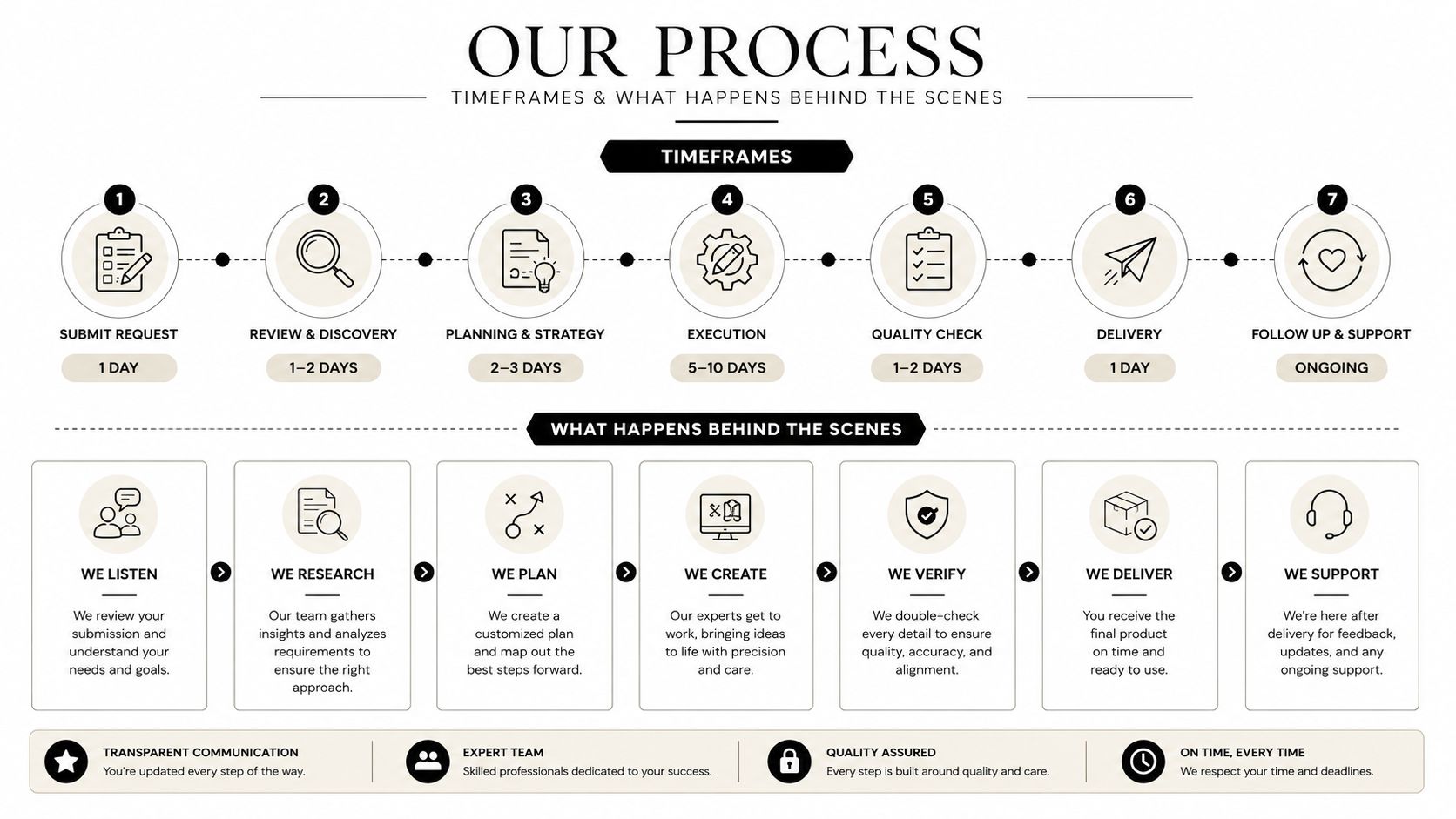
First the driveline components come apart enough to give the transmission room. Then the shop supports the engine, separates the gearbox, swaps the clutch kit, checks the flywheel surface, and looks hard at nearby wear points while access is open. If the car uses hydraulics, the system gets bled before road testing begins.
Parts availability can change the calendar more than people expect. A basic kit may be on the shelf, while a dual-mass flywheel, slave cylinder, or niche application part can slow everything down. Rush jobs are where hidden expense starts, because speed and precision don't travel well together on this kind of repair.
Shop reality: a clutch job that looks simple on paper can still tie up a bay for a full day or more once inspection, assembly, and test-driving are included.
The transmission fluid and related refill steps are not an afterthought, either. Once the gearbox has been out, the shop needs to put the car back together cleanly and confirm there's no gear oil issue, no hydraulic issue, and no chatter on take-off.
Ask the shop upfront how long they expect the car to be down, whether all parts are already in hand, and whether they're planning to road test it before pickup. Those questions matter more than trying to squeeze the job into an unrealistic same-day promise.
Why Your Clutch Quote Has Nothing to Do With Your Mileage
Mileage is only part of the picture, and in practice it's not the best predictor of cost. Driving style, traffic patterns, hill starts, towing, and the vehicle's own drivetrain design shape how quickly the clutch wears and how painful the repair becomes.
A car that spends its life in stop-and-go traffic can eat a clutch differently from one that cruises easy kilometres. The same model can also vary a lot depending on how the driver uses the pedal, which is why two apparently identical cars can arrive at the shop in very different shape.
The old odometer mindset falls apart
A clutch isn't like a brake pad where the wear pattern is usually more visible and easier to compare. It can feel fine for a long time, then start slipping suddenly once the friction material or pressure system reaches its limit. That's why the invoice is driven less by a magic number on the dash and more by how hard it is to reach the part in the first place.
The broader cost pattern supports that reality. Consumer reporting notes clutch replacement can cost as little as US$400 and as much as US$3,000+, with an average paid price of US$1,085 across a wide mix of vehicles and repair settings, while other market guidance puts the job commonly around US$1,200 to US$2,500 and even higher on performance, diesel, or dual-mass-flywheel vehicles. CostHelper's clutch replacement data shows that the spread hasn't shrunk as cars have become more complex.
For Whitby drivers, the important takeaway is simple. Modern cars haven't made clutch work cheap, they've made it more technical. The price follows the labour, and the labour follows the packaging.
Whitby Driver's Checklist Before Approving the Quote
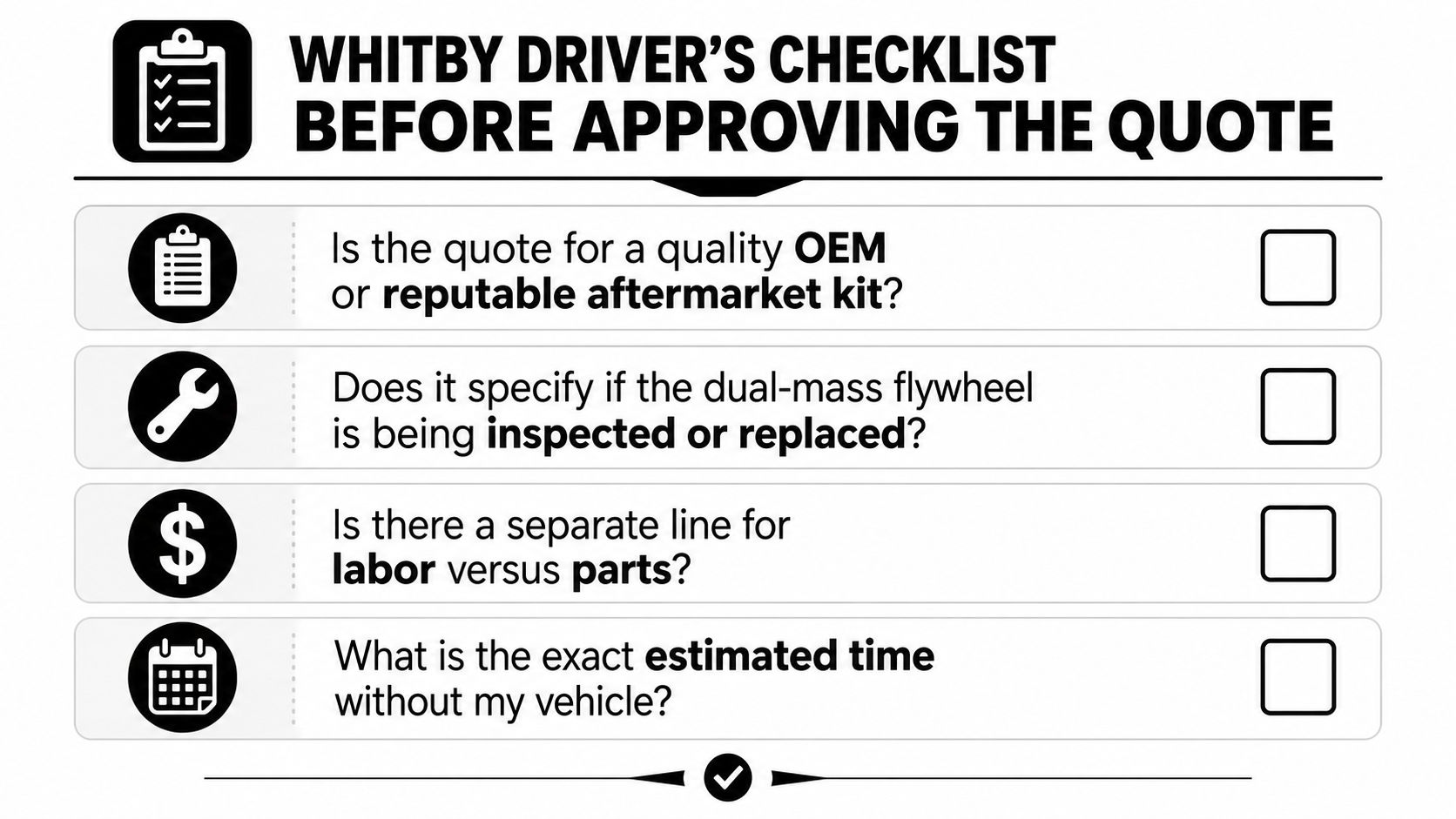
The smartest way to approve a clutch quote is to force it to become specific. Ask whether the flywheel is being inspected, resurfaced, or replaced, because that's one of the first items that turns a modest repair into a larger one.
Questions worth asking before you sign
- Is the quote for a quality OEM or reputable aftermarket kit? The answer tells you what lifespan and warranty expectations the shop is building around.
- Does it specify if the dual-mass flywheel is being inspected or replaced? If not, the final bill can drift.
- Is there a separate line for labour versus parts? If there isn't, you can't see where the money is really going.
- What is the exact estimated time without my vehicle? A clear downtime estimate helps you plan around the repair instead of reacting to it.
If the estimate is broad, ask the shop to spell out the release bearing, pilot bearing, and hydraulics before you approve anything. Those are the pieces most likely to be bundled into a proper clutch job, and they're also the ones that cause frustration when they're left unmentioned.
There are smart ways to keep the bill from getting uglier than it has to be. Bundling the clutch with other driveline work already due can save duplicated labour, a quality aftermarket kit can make more sense than a premium OEM part in the right application, and avoiding rush scheduling keeps you out of surcharge territory.
If you want a local shop to scope the job, source the right kit, and explain the invoice plainly, Carmedics Autowerks' car mechanic service in Whitby is a reasonable place to start.
A CTA for Carmedics Autowerks Inc. If your manual transmission is slipping, grinding, or just doesn't feel right, book a proper inspection with Carmedics Autowerks Inc in Whitby so you can get a clear clutch estimate, a straight answer on the flywheel, and a repair plan that makes sense before the bill gets any bigger.