


You’re probably reading this after one of three things happened. A neighbour’s SUV disappeared overnight. Your insurance renewal got uncomfortable. Or you bought a vehicle you care about, and the factory security now feels a bit too easy to defeat.
That concern is reasonable. Modern theft isn’t just a smashed window and a screwdriver anymore. A lot of it is electronic. Thieves go after the same convenience features owners like, especially keyless entry, push-button start, and diagnostic access. That’s why the igla anti theft system gets so much attention from owners of newer performance cars, trucks, and SUVs.
The short version is simple. Igla doesn’t try to scare a thief away with noise. It tries to stop the theft from working at all. For Whitby and GTA drivers, that matters because a security system has to deal with real local risks, not just look good on a spec sheet. It also has to play nicely with your vehicle electronics, your warranty, and the way you use the car every day.
What Exactly Is the Igla Anti-Theft System
A traditional alarm is like a smoke detector. It makes noise after something suspicious happens.
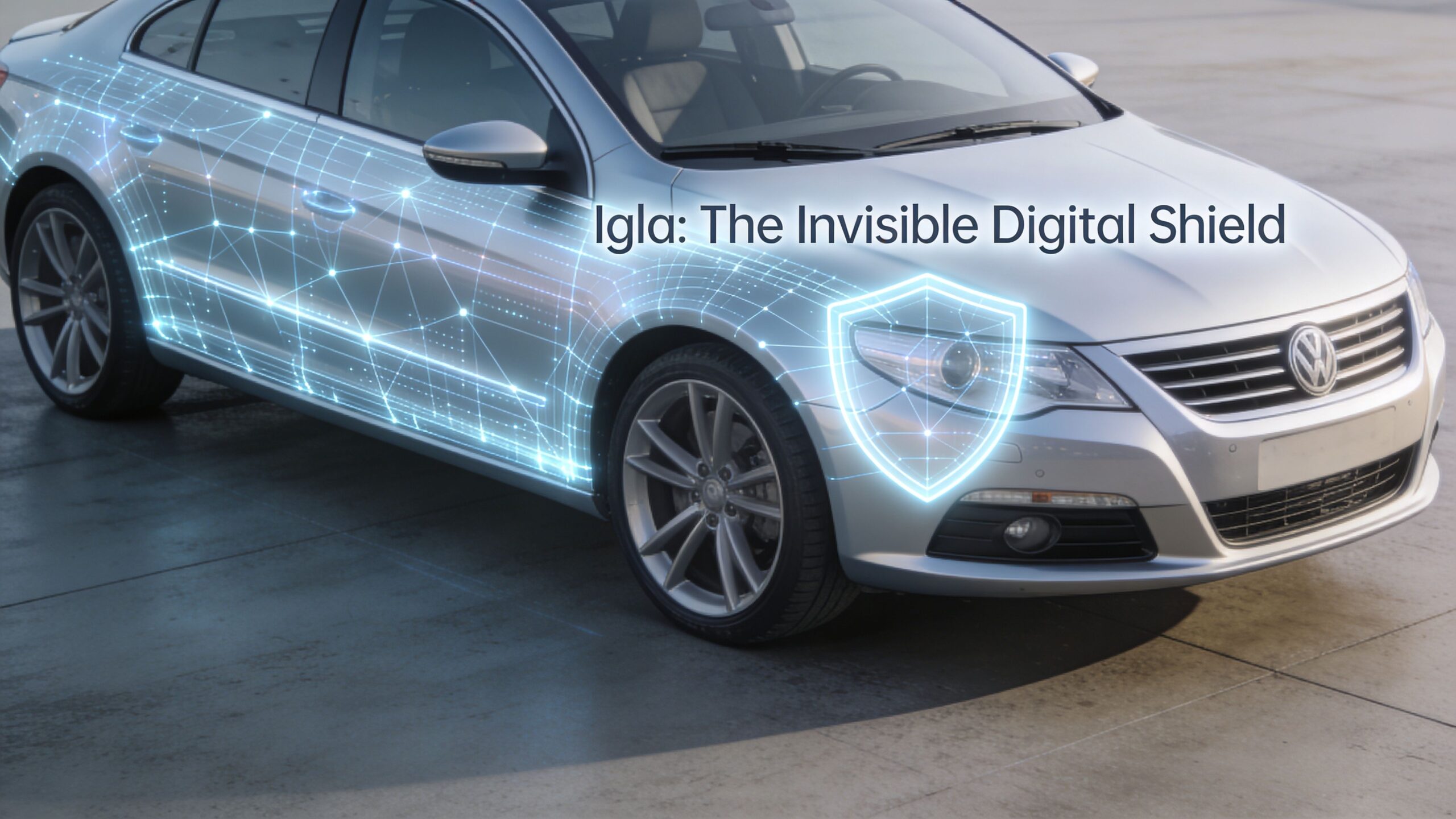
Igla is different. It’s more like a hidden digital password that your vehicle must receive before it will behave normally. If that password or authorisation isn’t present, the system can block the vehicle from starting or moving as intended. That’s why people often describe it as a CAN bus immobiliser, not just an alarm.
Why it stands apart
Most owners already understand visible deterrents. A steering lock says, “don’t bother.” An alarm says, “you’ve been noticed.”
Igla says something else entirely. It says, “even if you got inside and even if you have something that looks like a valid key, you still don’t have permission to drive this vehicle.”
That matters because theft today often happens without the drama people expect. A cloned key, a relayed key signal, or an attempt to reprogram through the car’s electronics can make a vehicle look “normal” to itself. Igla is designed to add another layer of approval that a thief doesn’t know.
What the driver actually experiences
For the owner, the idea is straightforward:
- You authenticate yourself using a secret button sequence on existing vehicle controls, or an approved device depending on setup.
- The system stays hidden because there’s no obvious keypad stuck on the dash.
- The car keeps its clean interior because the system integrates discreetly.
Practical rule: A good anti-theft system for a modern vehicle shouldn’t only make noise. It should stop unauthorised operation even when the thief knows how modern electronics work.
That’s the appeal of Igla. It’s designed around current theft methods, not older ones. And the financial risk is real. According to insurance data, vehicles from the 2020 to 2022 model years had an average loss payment per theft of $45,068 according to insurance-based theft figures summarised by Streamline Audio. If you’re trying to understand where Igla fits among modern protection options, this guide on an anti theft device for car security is a useful starting point.
How Igla Digitally Secures Your Vehicle
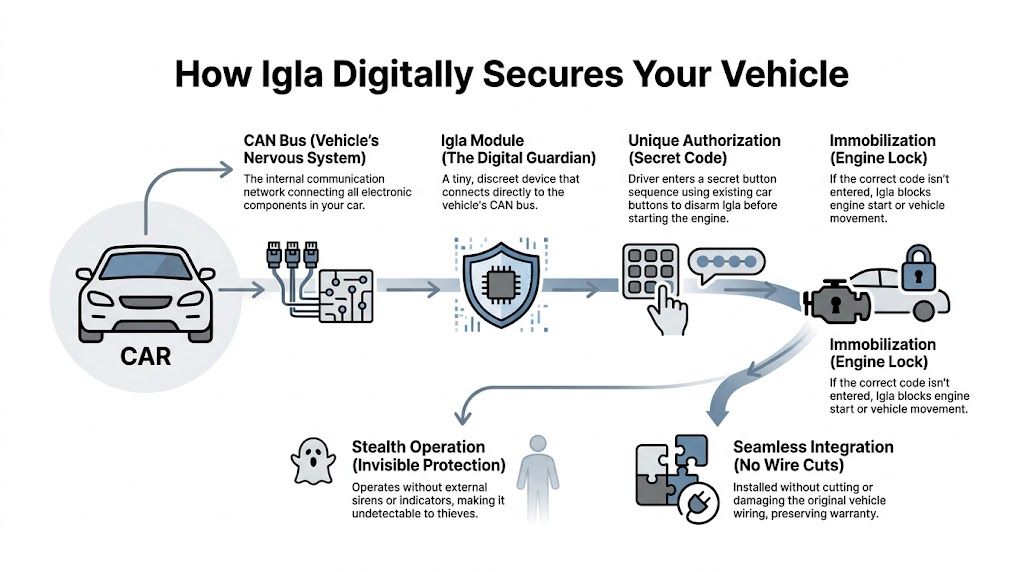
Your car has its own internal conversation going on all the time. The engine computer, body control module, transmission, steering wheel buttons, and other modules exchange information constantly. That communication network is the CAN bus, and in many vehicles the LIN bus is part of that ecosystem too.
Igla works inside that digital environment. It doesn’t rely on a loud siren or a separate visible controller. It connects to the vehicle’s own communication system and controls authorisation at the electronic level.
Think of the CAN bus as the car’s nervous system
If you press the brake pedal, one module knows. If you push the start button, another module reacts. If the transmission needs data from the engine controller, it gets it across that network.
Igla sits on that network like a digital gatekeeper. It listens for the right conditions and, if authorisation hasn’t happened, it can block the commands that would otherwise let the vehicle start or continue operating normally.
Why that matters for theft resistance
This approach is effective against the kinds of theft that defeat more basic systems:
- Relay attacks try to trick the car into thinking the key is nearby
- Key cloning tries to create a usable version of the owner’s key credentials
- OBD-related attacks try to use diagnostic access to program or bypass security
- Key theft gives the criminal a physical item, but not necessarily your Igla authorisation method
Igla is designed to make those routes less useful because the thief still doesn’t have the extra approval step.
Why installers care about wire cutting
Owners often get nervous when they hear “aftermarket electrical accessory,” and for good reason. Poor installs create problems. Bad grounds, hacked wiring, visible modules, and mystery battery issues usually come from sloppy work, not from the concept itself.
One of Igla’s strongest technical points is that it integrates with the vehicle network without cutting factory wiring. The system integrates directly with CAN and LIN buses using as few as four cable connections, allowing it to intercept and block engine start commands without physical modification to the original wiring, which is why it’s positioned as factory-warranty-friendly in the technical overview from IGLA USA. If you want a shop with the right diagnostic mindset for this kind of work, proper vehicle electrical repair expertise matters.
A clean Igla install should feel like the vehicle came that way from the factory. No dangling add-ons, no butchered loom tape, no surprise warning lights.
Exploring Igla's Key Features in Action
The easiest way to understand Igla’s features is to stop thinking about the module and start thinking about the moments when you need it.
Most days, it’s just part of your start-up routine. On a bad day, it becomes the reason your vehicle doesn’t disappear.
Daily use feels familiar, not clumsy
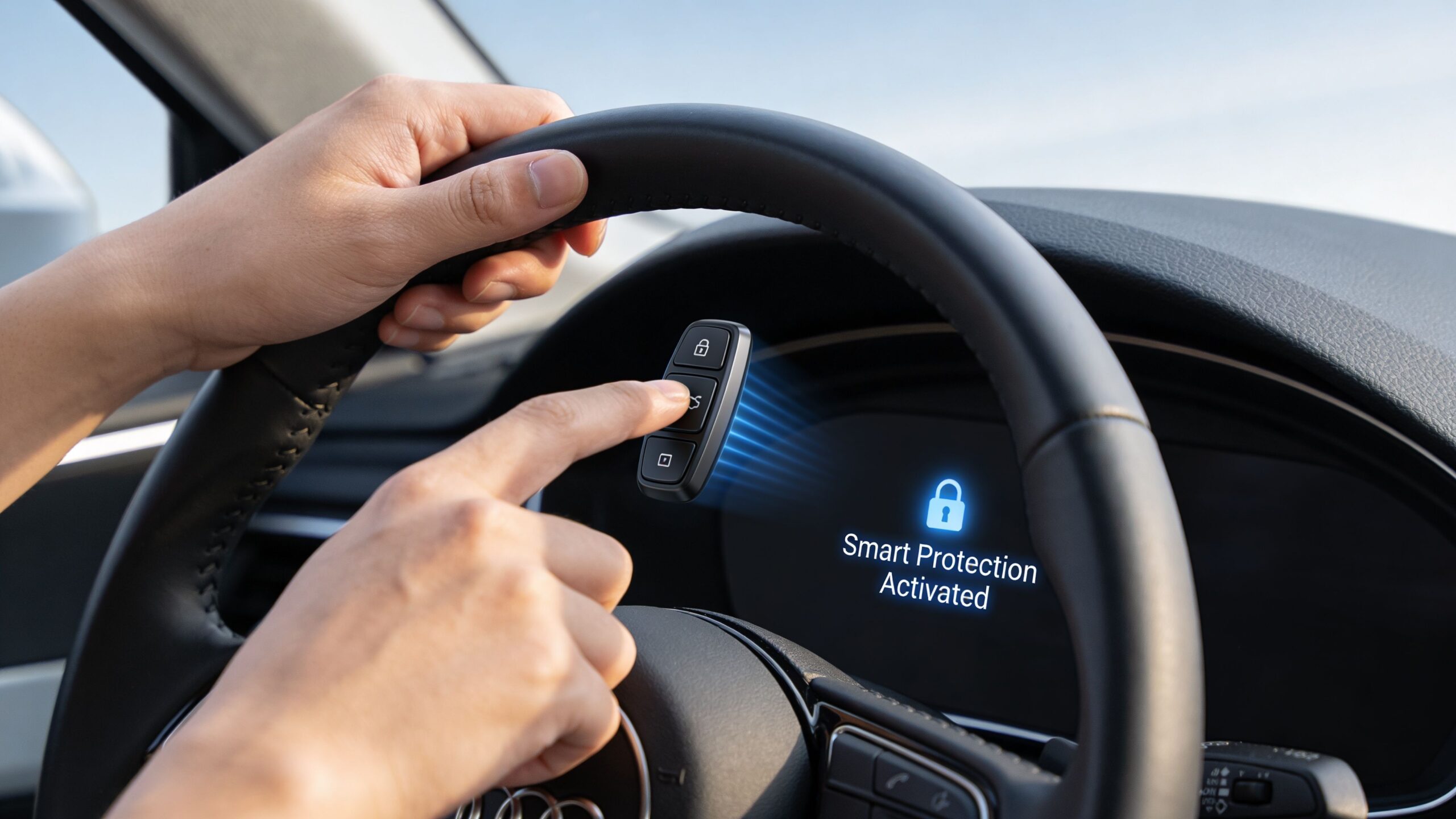
Owners sometimes assume a high-security system will be annoying. In practice, Igla is meant to blend into the car. Instead of carrying some oversized extra controller, you can authenticate using existing OEM buttons through a secret PIN sequence. Depending on setup, phone or keyfob-based authorisation can also be part of the system.
That matters because security only works if you will live with it. A system that frustrates you every morning tends to get disabled, bypassed, or ignored.
Here’s where people often get confused. The PIN isn’t there because the car doesn’t recognise the key. The PIN is there because you’re adding a second layer that the thief doesn’t know, even if the vehicle accepts the key signal.
Anti-Hi-Jack is built around safety
Now take a more serious scenario. The vehicle is taken while the engine is already running or immediately after the driver is forced out. In that case, a simple start-block feature isn’t enough because the car is already in motion.
Igla’s Anti-Hi-Jack mode is designed for that kind of event. It doesn’t just kill the engine at speed. It waits until the vehicle slows to a safer threshold, then disables operation. According to the Igla anti-hi-jack system overview, the feature is designed to disable the engine only after the vehicle drops below 30 km/h, and that’s especially relevant in the GTA where carjackings increased 300% between 2019 and 2023.
If a security device can stop a theft but creates a new safety hazard, it’s solving the wrong problem.
Service mode and real-world convenience
A good anti-theft system also has to coexist with normal ownership. You still need oil changes, diagnostics, tyre work, detailing, and accessory installs.
That’s where service mode matters. It lets the car be worked on without handing your permanent security logic to someone else. If you’re also planning related upgrades, it helps to understand how electronic add-ons interact. This guide on remote starter installation gives useful context because both systems depend on proper integration with the vehicle’s electronics.
Weighing the Pros and Cons of an Igla System
Igla makes sense for some owners immediately. For others, it only makes sense after comparing it with cheaper deterrents and being honest about how they use the vehicle.
The first reality is cost. Igla is a premium solution with an approximate installed price of $1,200, reflecting its software-based protection that blocks engine start, transmission shifting, and key reprogramming via the vehicle’s standard wiring, as described in this owner discussion of IGLA and comparable systems.
Igla System At a Glance Pros vs. Cons
| Pros | Cons |
|---|---|
| Hidden operation makes it difficult for a thief to identify quickly | Higher upfront cost than basic physical deterrents |
| Targets modern digital theft methods, not just smash-and-grab scenarios | Requires professional installation |
| Uses existing vehicle buttons for PIN entry, so there’s no bulky visible keypad | Owners need to remember and manage their authorisation method |
| Integrates through factory communication systems rather than obvious visible hardware | It’s one part of security, not a substitute for common-sense parking habits |
Where the value is strongest
Igla tends to make the most sense for owners who have one or more of these concerns:
- High-risk vehicle profile such as a desirable truck, SUV, or performance model
- Heavy urban use where parking situations change often
- Keyless-entry worry because digital theft methods are the main concern
- Warranty sensitivity because they don’t want a cut-wire immobiliser
Where the hesitation is fair
If your main goal is basic visible deterrence, a cheaper mechanical lock may cover enough of your comfort zone. If you’re the kind of owner who dislikes any start-up routine beyond pressing the brake and the button, that’s worth admitting before you buy.
For Ontario drivers looking at whether anti-theft hardware may also matter on the insurance side, this breakdown of anti-theft devices and insurance considerations gives practical context.
Navigating Installation Warranty and Compatibility
Installation is where a high-end security system either becomes invisible and dependable, or turns into a headache.
Igla is designed to work with modern vehicle electronics, but that doesn’t mean every install is equal. The hardware may be small, yet the job still demands clean electrical practices, model-specific knowledge, and careful placement. A rushed installer can undermine the whole point of a covert immobiliser if the module location is obvious or the setup is inconsistent.
Why professional installation matters
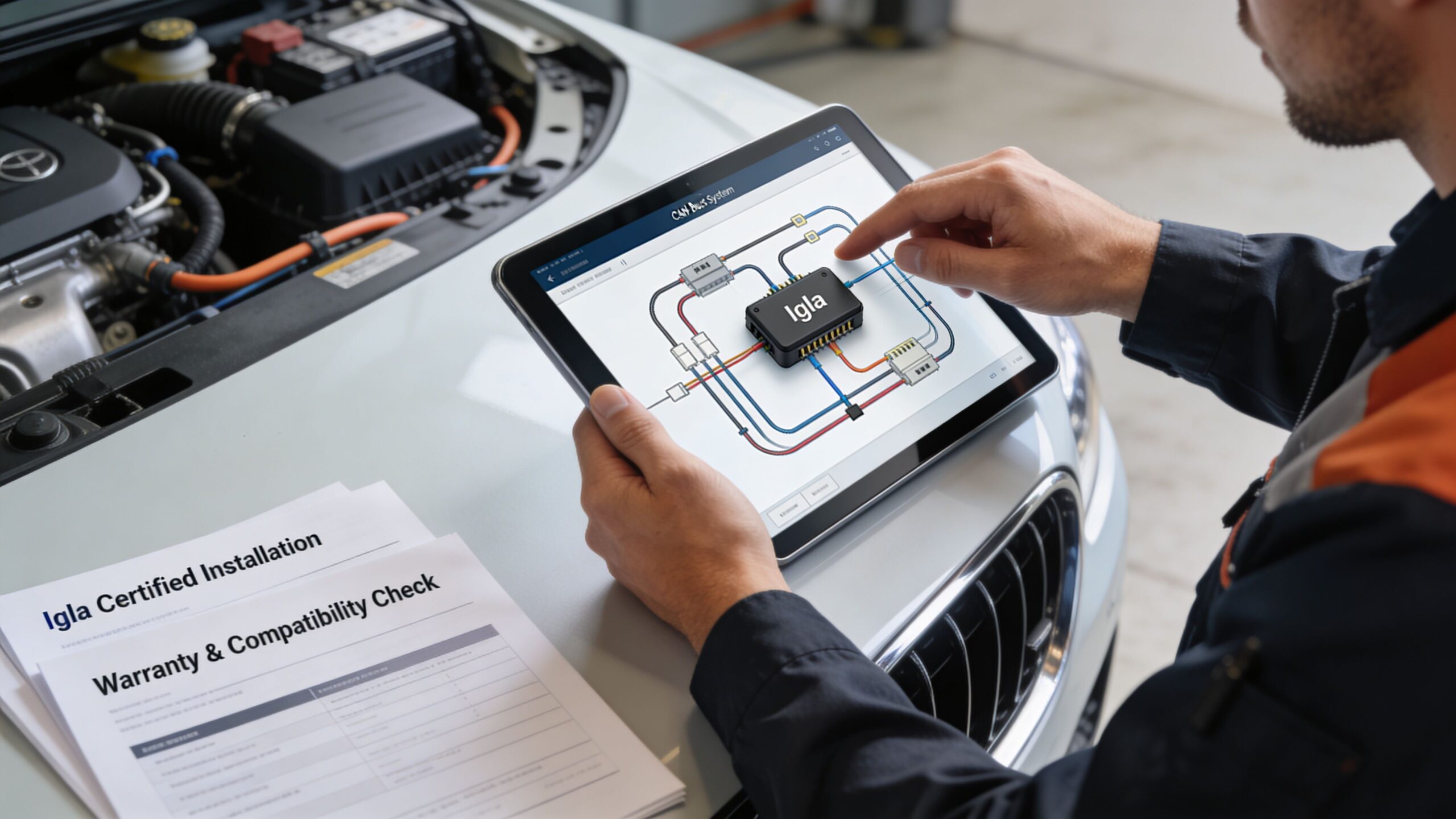
A proper installer does more than connect wires. They verify the vehicle platform, configure the logic correctly, test the disarm process, confirm normal operation in service situations, and make sure the finished system stays discreet.
Signs of a poor installation usually show up in practical ways:
- Visible evidence like disturbed trim, exposed wiring, or obvious aftermarket add-ons
- Inconsistent behaviour such as failed authorisation attempts or unusual start issues
- Poor shop communication where the owner isn’t shown how to use the system confidently
- No installation record which can create problems later if you need proof of the equipment fitted
The warranty question owners always ask
Canadian owners are right to ask whether an immobiliser could affect factory warranty coverage. Igla’s main argument here is its integration method. Because it works through the vehicle’s communication network without physically cutting original wiring, it is designed to be a warranty-conscious option for newer vehicles.
That doesn’t mean owners should be casual about documentation. Keep your installation paperwork and make sure the shop can explain exactly how the system was integrated. The broader principle is the same one equipment owners use in many industries. If you want to protect your equipment warranty, documented professional service matters.
Ask the installer one simple question: “If another qualified technician works on this vehicle later, will they see a clean, factory-respectful install?” If the answer sounds vague, keep shopping.
Compatibility is generally strongest with newer electronically networked vehicles. The exact fit depends on the model and software support, so confirmation before booking is part of doing the job properly.
Is Igla Worth the Investment in Ontario
For Ontario drivers, this isn’t only a technology question. It’s a cost-risk question.
The installed price often gives people pause at first. That’s understandable. But the better comparison isn’t “Igla versus doing nothing for free.” The better comparison is “Igla versus the financial, practical, and insurance pain that follows a theft attempt or a successful loss.”
Looking at the local equation
Ontario owners in higher-risk areas aren’t just paying attention to vehicle loss anymore. They’re also dealing with the knock-on effects of theft pressure in the insurance market. According to the source material provided for this topic, auto insurance premiums in Whitby rose 15% to $1,800 per year due to theft claims, and the same source notes the installed cost of Igla at roughly $1,650 CAD, while also pointing to Ontario’s Bill 185 as a development encouraging advanced immobilisers in future insurance thinking, as discussed in this Ontario-focused Igla and insurance analysis.
What “worth it” really means
For a lot of owners, “worth it” doesn’t mean the system pays for itself in a neat spreadsheet. It means the vehicle becomes harder to steal in the first place, harder to carjack successfully, and less attractive to criminals looking for a quick electronic win.
That’s especially true if you drive a model that gets attention, store the vehicle outside, travel through the GTA regularly, or plan to keep the vehicle for years. Peace of mind is a real factor, even when exact insurance savings aren’t guaranteed.
A sensible Ontario view
The strongest case for Igla usually looks like this:
- You own something worth targeting
- You live or commute in a theft-conscious region
- You want security that doesn’t butcher the wiring
- You’d rather prevent a loss than argue about one afterward
If all four apply, the investment starts looking less like an accessory and more like part of ownership.
Comparing Igla with Alternative Security Systems
No single device solves every security problem. The smart approach is to understand what each category does well, where it falls short, and whether it works best alone or as part of a layered setup.
Physical deterrents
Steering wheel locks are simple and visible. Their biggest strength is psychological. A thief sees extra effort and may move on.
Their weakness is equally obvious. They don’t address digital authorisation. If your concern is relay attack, key cloning, or module-based theft, a visible bar on the steering wheel is a different kind of protection. Useful, yes. Complete, no.
Traditional alarms and sirens
A standard alarm is designed to draw attention. That can still help with smash-and-grab activity or random tampering in busy areas.
The downside is that modern thieves often work fast and confidently. Noise alone doesn’t always stop an organised theft. Igla takes the opposite approach. It’s quiet, hidden, and focused on immobilisation rather than commotion.
GPS tracking systems
Trackers help after the vehicle is gone. That can be valuable for recovery, fleet oversight, or location history.
But a tracker is not the same thing as preventing movement. If your priority is stopping a theft attempt before the vehicle leaves, an immobiliser fills a different role. Many owners treat tracking and immobilisation as complementary rather than competing choices.
Other immobiliser types
Some owners compare Igla with systems like Ravelco, especially because Ravelco is often discussed as a lower-priced alternative. The source material for this article places Ravelco around $650, while Igla is around $1,200 installed in the comparison cited earlier. The difference in philosophy matters. Igla’s appeal is its software-based integration through the vehicle’s communication network and its hidden operation using OEM controls rather than a more visibly separate user interface.
The right comparison isn’t “which product is universally best.” It’s “which product addresses the exact theft method you’re worried about.”
For many newer vehicles, the answer ends up being layered security. A physical deterrent slows things down, Igla handles digital authorisation, and tracking supports recovery if the situation goes beyond prevention.
Your Complete Protection Strategy with Carmedics Autowerks
Vehicle protection works best when you stop treating theft, damage, and daily wear as separate conversations.
An igla anti theft system handles one job extremely well. It helps keep the vehicle from being driven away through modern electronic theft methods. But owners who care about their cars usually want a broader plan than that. They also think about paint damage, interior heat, glass exposure, and how the vehicle ages in real use.
Security is one layer, not the whole shield
A practical protection strategy often looks like this:
- Igla for electronic theft resistance
- PPF for high-impact paint areas
- Window tint for privacy, glare control, and interior protection
- Professional servicing so added systems remain clean and reliable
That combination makes sense for newer daily drivers, enthusiast vehicles, and family SUVs alike. One layer protects drivability and theft exposure. The others protect condition, appearance, and long-term ownership satisfaction.
What local owners should expect
A proper process starts with vehicle-specific discussion, not a canned pitch. The shop should ask how you park, where you drive, whether the vehicle is keyless, what accessories are already installed, and whether insurance documentation matters to you.
For drivers looking at local installation and related protection services, Carmedics Autowerks in Whitby is one local option offering anti-theft, tint, PPF, and general vehicle service under one roof. That matters because modern vehicles don’t benefit from disconnected decisions. The cleaner approach is to plan electronics, appearance protection, and routine service together.
The end goal isn’t just adding products. It’s reducing risk while keeping the vehicle enjoyable to own.
If you’re weighing whether an Igla system makes sense for your vehicle, Carmedics Autowerks Inc can help you look at it practically. Ask about vehicle compatibility, installation documentation, day-to-day operation, and how anti-theft protection can fit alongside PPF, tinting, and general service for your Whitby-driven car or SUV.