

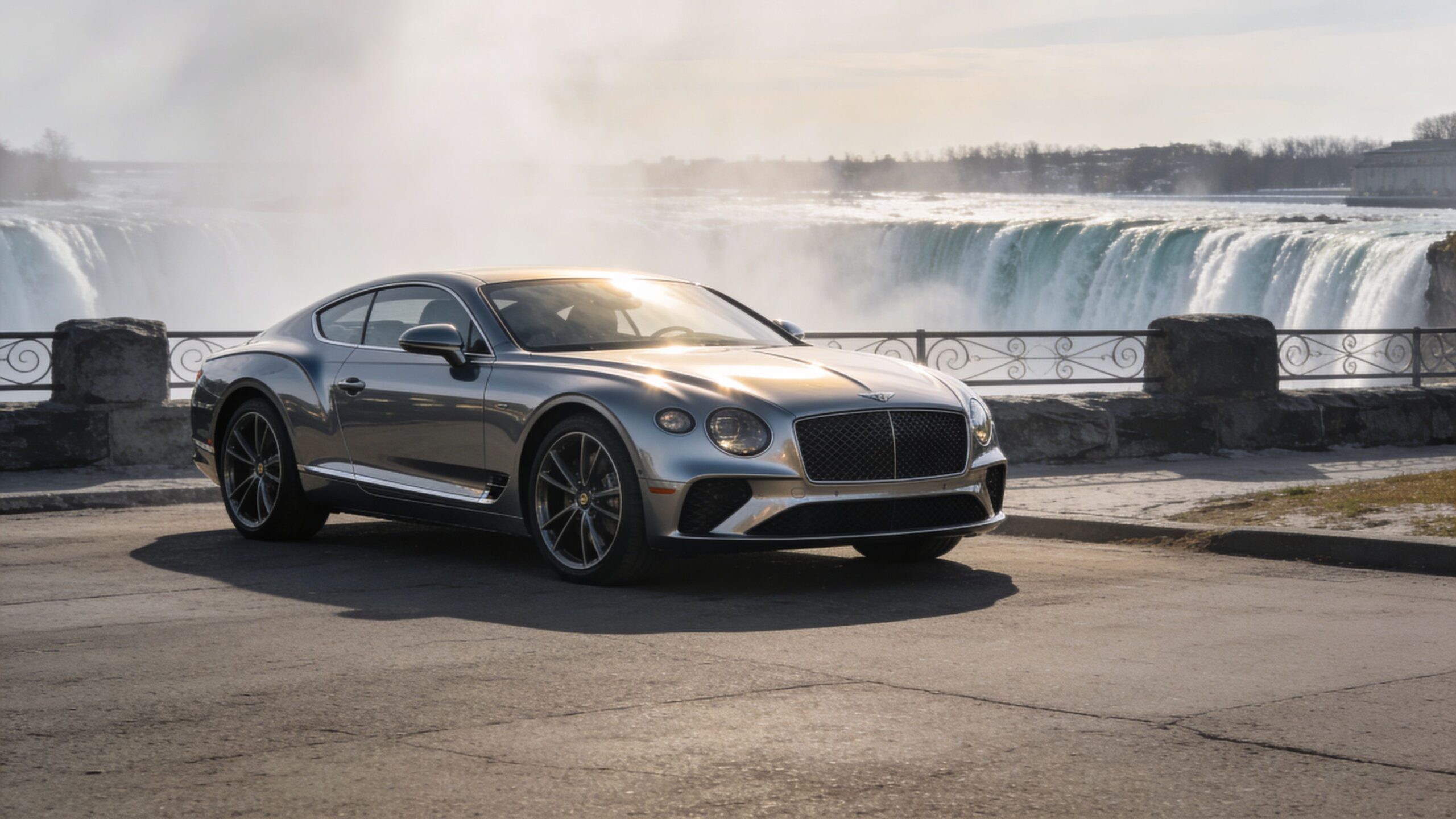
You know the feeling. You wash your car on a Saturday, stand back, and the paint looks deep, sharp, and nearly new. Then Niagara does what Niagara does. A winter run on the QEW throws salt mist down the doors, spring rain leaves grime on every horizontal panel, summer sun bakes contaminants into the clear coat, and bird droppings near the Falls seem to appear the moment the car is clean.
That’s why so many owners start looking beyond wax. They want something that fits real Southern Ontario driving, not a weekend-only garage queen routine. When people search for ceramic pro niagara falls, they’re usually trying to solve a practical problem: how to keep a valuable vehicle looking better for longer without fighting the environment every week.
Protecting Your Investment in the Niagara Region
A Niagara driver doesn’t need a lecture on harsh conditions. You already see them. In winter, road spray sticks to everything from rocker panels to mirror caps. In summer, humidity and UV exposure work on the finish every time the vehicle sits outside. Add bug residue, tree sap, and bird droppings, and the paint never gets much of a break.
A lot of owners first notice the problem after buying a new truck, SUV, or sports sedan. The finish is flawless at delivery. A few months later, the gloss still looks good from ten feet away, but under proper light you start seeing wash marring, stuck-on fallout, and the early signs of wear around the front end. If you’ve already looked into rust prevention for Ontario vehicles, you’re thinking along the right lines. Surface protection and underbody protection solve different problems, but both matter in this climate.
What makes Niagara different
Niagara isn’t just cold in winter. It’s messy. The region deals with lake-effect weather, frequent moisture, freeze-thaw swings, and the kind of road contamination that keeps landing on the same parts of the vehicle.
A few local trouble spots stand out:
- Winter salt spray: It clings to lower panels, wheels, and behind the wheel arches.
- Humidity and rain: Moisture keeps dirt on the surface longer and makes neglected contamination harder to remove cleanly.
- UV exposure: Summer sun gradually dulls unprotected finishes.
- Organic contamination: Bird droppings and tree sap can etch if they sit too long.
A clean car in Niagara doesn’t stay clean by accident. It stays clean because the surface resists what lands on it.
That’s where Ceramic Pro enters the conversation. Not as a miracle, and not as a substitute for proper washing, but as a modern protective layer built for owners who use their vehicles in everyday conditions.
Understanding Ceramic Pro 9H Nano-Ceramic Coatings
Most confusion starts with the word “coating.” People hear it and think of wax, sealant, or some glossy dressing that sits on top of the paint for a while. That isn’t the right mental model.
Ceramic Pro 9H works more like a semi-permanent nano-layer that bonds with the paint. The easiest way to picture it is this: imagine adding an ultra-thin, transparent shell over the vehicle’s finish. Not a thick sheet like film, and not a greasy layer you can wash away, but a structured barrier designed to separate the paint from the environment.
What 9H actually means
The “9H” in Ceramic Pro 9H refers to a 9H rating on the pencil hardness scale, and the coating is described as forming a permanent protective shield substantially harder than factory clear coat. That matters in Ontario because road contamination is constant, and road salt usage across the province exceeds 10 million tonnes annually according to the Ceramic Pro Niagara Falls coatings page, which also notes that the coating’s hydrophobic behaviour can cut washing needs by 50 to 70% and preserve over 90% of original gloss after 2 years (Ceramic Pro 9H details for Niagara Falls).
That doesn’t mean the coating makes paint invincible. Misunderstandings frequently occur here.
What it helps with, and what it won’t stop
A ceramic coating helps with the damage that comes from contact, contamination, and neglect. It creates a harder, more chemical-resistant surface than bare clear coat, so washing is safer and grime doesn’t stick as aggressively.
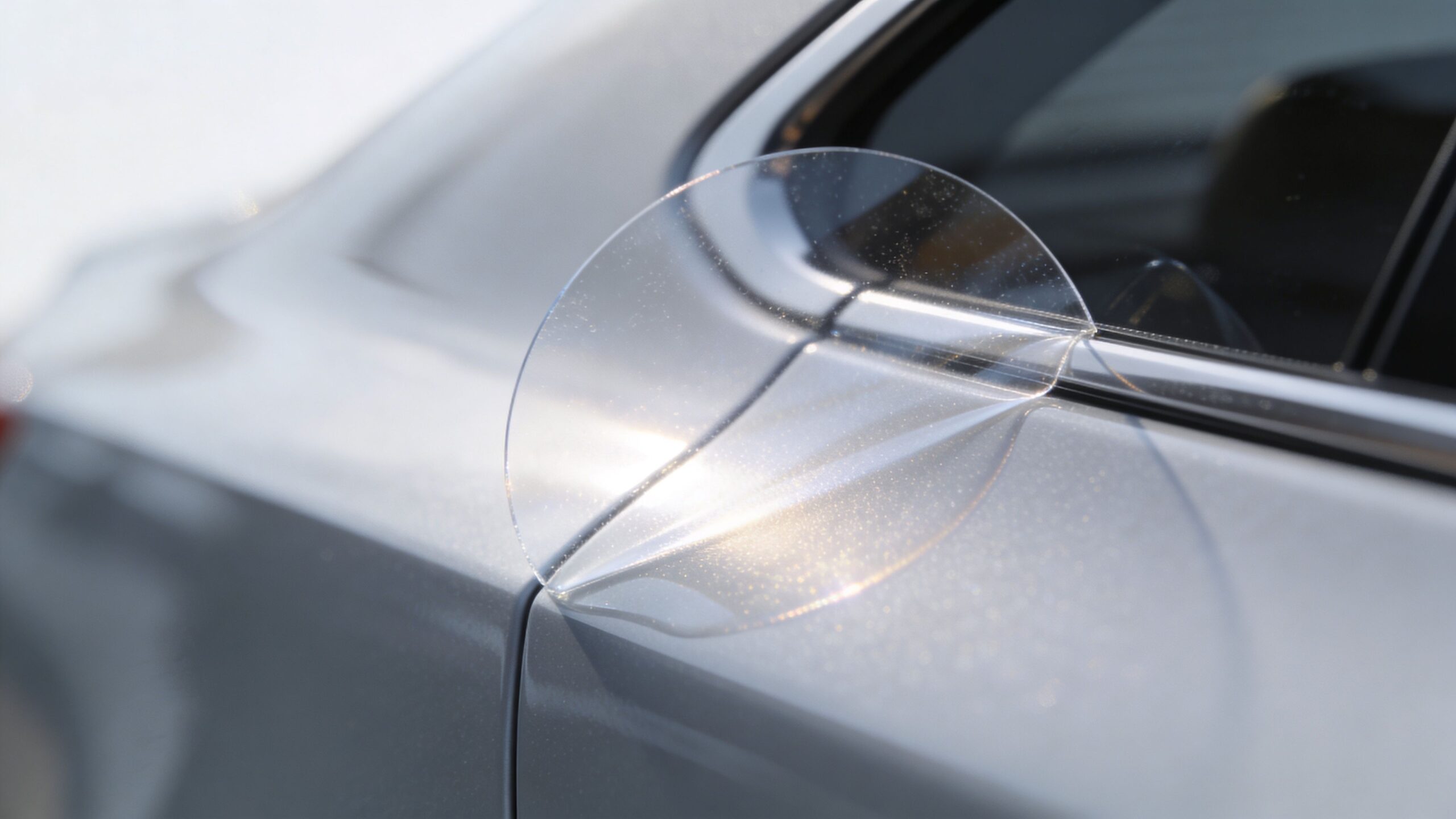
It won’t do the job of thick impact armour. If a sharp stone hits the leading edge of your hood at speed, a coating alone isn’t meant to absorb that impact. That’s paint protection film territory.
Here’s the practical breakdown:
- It improves scratch resistance: Mainly against light wash-induced marring and day-to-day abrasion.
- It adds chemical resistance: Useful against salt, bird droppings, tree sap, and other contaminants.
- It keeps gloss longer: The finish stays cleaner and reflects better when contamination can’t bite into the surface as easily.
- It does not replace PPF for stone chips: Different product, different job.
For many owners, that distinction is the turning point. They stop asking whether ceramic coating is “better” than everything else and start asking what they want protected from.
Why hydrophobicity matters in real life
Hydrophobic is another word that sounds technical until you see it on a car. Water doesn’t spread out and cling. It beads, gathers, and rolls away. Dirt has a harder time hanging on because the surface tension works against it.
Think of an uncoated hood like a chalkboard and a coated hood like a non-stick pan. Both still get dirty, but one releases that dirt with far less effort.
If you’re comparing options, a broader guide to modern automotive paint protection choices helps frame where coatings fit. The short version is simple: Ceramic Pro is for owners who want easier washing, stronger resistance to contamination, and a finish that stays sharper between details.
Practical rule: Ceramic coating changes how the paint behaves. It doesn’t change the fact that paint is still paint.
Why prep matters even more than the bottle
Even the best coating can’t hide defects. If the paint has swirls, water spot etching, or dealership wash marks before application, the coating locks that condition in. It adds gloss and clarity, but it won’t perform like magic over neglected paint.
That’s why knowledgeable owners judge the installer as much as the product. The bottle matters. The preparation matters more.
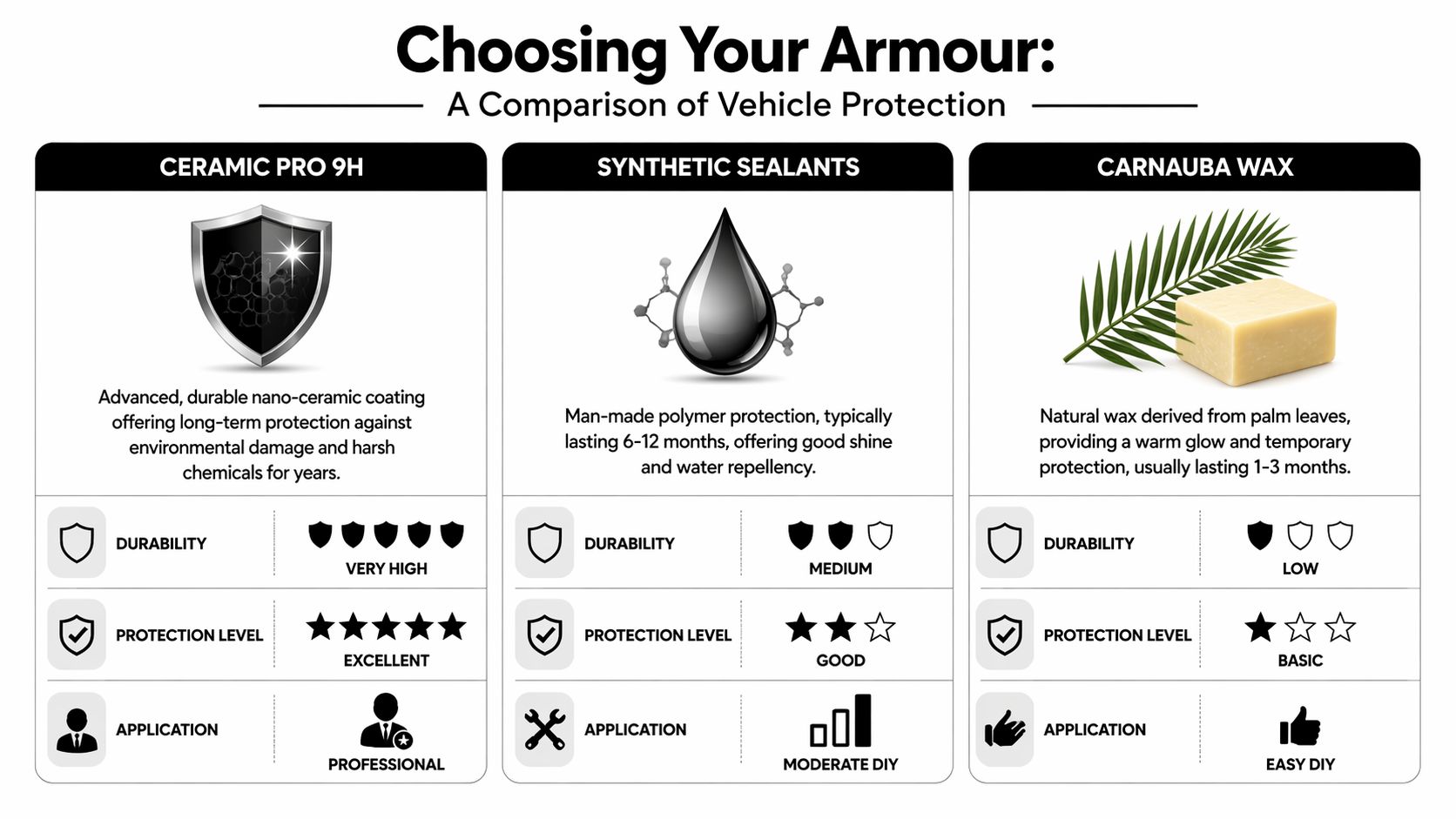
Choosing Your Armour A Comparison of Vehicle Protection
Owners usually land on one of three paths. They stick with wax or a sealant, move to a ceramic coating, or go all in on paint protection film. None of those choices is automatically wrong. The right answer depends on what kind of pain you’re trying to avoid.
The easiest way to sort it out is to compare the job each product does.
Vehicle Protection Compared Ceramic Pro vs. PPF vs. Wax
| Feature | Traditional Wax / Sealant | Ceramic Pro Coating | Paint Protection Film (PPF) |
|---|---|---|---|
| Core purpose | Short-term shine and basic surface protection | Long-term chemical resistance, gloss retention, and easier maintenance | Physical impact protection against chips and abrasion |
| Durability | Short-lived and maintenance-heavy | Designed for long-term protection | Long-term physical barrier on high-impact areas or full exterior |
| Best against | Light contamination and water beading | Salt, grime, bird droppings, sap, UV, wash-related wear | Road debris, stone strikes, sandblasting, scuffs |
| Appearance | Warm glow, especially on dark paint | Crisp gloss and a cleaner-looking surface for longer | Clear barrier with minimal visual change when installed well |
| Maintenance | Frequent reapplication | Easier washing and less stubborn grime | Easy cleaning, especially when top-coated |
| DIY or professional | Often DIY-friendly | Professional application is the serious route | Professional installation only |
| Best owner fit | Traditionalist on a smaller budget | Daily driver owner who wants lower upkeep and stronger protection | Owner focused on front-end preservation and chip prevention |
Which one makes sense for Niagara driving
Wax still has a place. If you enjoy detailing as a hobby and don’t mind reapplying protection often, wax can be satisfying. It gives a nice look, especially on a vehicle that lives indoors and sees limited bad weather.
Ceramic Pro sits in the middle of the Venn diagram. It isn’t sacrificial in the same way wax is, and it isn’t thick like film. What it does very well is make the vehicle easier to live with. That matters if your car sees highway miles, changing seasons, and regular exposure to grime.
PPF is the specialist. If your biggest worry is the front bumper, hood edge, mirrors, and fenders getting peppered by debris, film is the answer. A useful primer on paint protection film and where it works best can help if you’re trying to decide whether your driving pattern justifies it.
Ceramic coating protects the finish from what lands on it. PPF protects the finish from what hits it.
The smart combination
For a lot of savvy owners, the ideal setup isn’t one product. It’s a combination. Film goes on the impact zones. Ceramic coating goes on top of vulnerable exterior surfaces or on exposed painted areas that still need chemical resistance and easier maintenance.
That combo especially suits Niagara and broader Southern Ontario driving because local roads punish both the front end and the rest of the finish in different ways. One threat is abrasion from debris. The other is persistent contamination.
If you remember only one thing from this section, remember this: choose the product by the threat, not by the hype.
What to Expect When You Get Your Car Coated
A proper ceramic coating appointment rarely starts with the coating. It starts with inspection. The installer looks at the paint under strong lighting, checks for swirls, wash damage, water spotting, and any areas that may need special attention. This part tells you a lot about the shop. If nobody studies the paint carefully, that’s a warning sign.
Step one is decontamination
The car gets a thorough wash to strip away loose dirt, old protection, and surface grime. Then comes chemical decontamination. Iron fallout removers pull embedded brake and rail dust from the paint, and tar removers deal with bonded road residue.
After that, many vehicles still need mechanical decontamination with a clay process. Even paint that looks clean can feel rough because contaminants are stuck in the surface. Until those are removed, polishing pads can drag contamination across the finish and create more defects.
Paint correction is where the real work happens
This is the step most customers don’t see, and it’s the step that decides whether the final result looks ordinary or exceptional.
Paint correction means machine polishing the clear coat to remove or reduce:
- Swirl marks from poor washing
- Light scratches from day-to-day use
- Haze left by improper polishing
- Water spot etching that dulls gloss
- Dealer-installed defects from rushed prep
A coating doesn’t hide those flaws. It magnifies them because it increases gloss and clarity. If the paint is already beautiful, the coating makes it look richer. If the paint is flawed, the coating preserves those flaws under a more reflective surface.
If someone promises a premium coating result without serious prep, they’re selling the label, not the workmanship.
Application and curing
Once the paint is corrected, the installer wipes the surface down so the coating can bond properly. Then the coating is applied panel by panel in controlled conditions. Timing matters. Levelling matters. Lighting matters. This isn’t a job for guesswork.
The vehicle then needs curing time. During that period, the coating settles and hardens into the finish. If a shop treats coating like a quick wash-bay add-on, the process is being rushed.
A careful installation feels less like a car wash service and more like finishing woodwork or laying down high-end paint in a spray booth. Surface prep, cleanliness, temperature control, and patience all matter. That’s why a quality result takes time.
Exploring Ceramic Pro Packages and Investment Costs
When owners ask about price, they usually want one number. The answer is that coating packages are built around coverage, prep time, product level, and warranty support. The difference between a modest package and a premium one often has less to do with the liquid in the bottle than with the labour behind it.
Good better best thinking
Most buyers can simplify the options into three buckets.
Entry-level coating package
This is for the owner who wants a professionally prepped exterior and a meaningful upgrade over wax. It usually suits newer vehicles with decent paint and drivers who care about washability and gloss more than maximum system complexity.
A package like this often focuses on painted exterior surfaces and may leave specialty areas, film integration, or extensive add-ons for a higher tier.
Mid-tier multi-layer package
Many enthusiasts gravitate to this. The prep is usually more involved, and the package often adds stronger long-term value because it’s built for a vehicle the owner plans to keep.
This level tends to make sense for daily-driven luxury vehicles, performance cars, and family SUVs that live outside, commute regularly, or rack up highway mileage.
Top-tier system package
This is the no-compromise route. It’s less about “a coating” and more about creating a complete exterior defence strategy.
The best-known example in the Niagara Falls lineup is the Ultimate Armor Package, which combines KAVACA Regenerating PPF with Ceramic Pro ION coatings and carries a lifetime warranty. The same Niagara Falls PPF page states that KAVACA features instant-healing technology without heat, the ION coating offers strong chemical resistance to Ontario de-icing agents, and a full-front PPF with ION coating can cost between $5,000 and $8,000 (Ultimate Armor and KAVACA PPF in Niagara Falls).
Why the price range moves so much
Two cars can receive “the same package” on paper and require very different labour. A dark-coloured SUV with dealer wash marks may need substantial correction before coating. A well-kept coupe with soft paint may need a gentler, more meticulous polishing approach. Bigger panels, more trim, and more contamination all affect the total effort.
Here are the cost drivers that matter most:
- Paint condition: Correction work adds labour fast.
- Vehicle size: More square footage means more prep and more product.
- Protection mix: Coating alone costs differently than coating plus front-end film.
- Surface coverage: Wheels, glass, trim, and interior materials can be included or excluded.
- Warranty tier: Higher-end systems often come with stronger long-term support requirements.
If you’re trying to budget for film as part of the package, this guide to PPF pricing factors in Ontario helps frame why front-end coverage and full-body coverage differ so much.
How to choose without overbuying
A simple rule works well.
- Choose entry-level if you lease often or just want the paint easier to maintain.
- Choose mid-tier if you plan to keep the vehicle and want long-term everyday protection.
- Choose Ultimate Armor-style protection if you care about both impact protection and finish preservation, especially on a new or high-value vehicle.
Buy protection for the ownership plan you actually have, not the one you imagine on delivery day.
If your vehicle sees heavy highway use, gravel shoulders, winter commuting, or frequent long trips, it’s usually smarter to put more of the budget into the front-end defence package than into purely cosmetic add-ons.
Maintaining Your Ceramic Coating and Understanding the Warranty
A coating makes maintenance easier, not optional. That’s the right mindset from day one. If you wash properly, dry properly, and deal with contaminants early, the finish will keep rewarding you with less effort and better appearance.
How to wash without undoing the benefit
The safest routine is still a careful hand wash. Use clean wash media, plenty of lubrication, and a method that limits the chance of dragging grit across the surface. A pH-neutral soap is the smart choice because it cleans without being needlessly harsh.
Good habits matter more than fancy labels:
- Rinse first: Remove loose grit before touching the paint.
- Use clean wash tools: Dirty mitts create the damage you’re trying to prevent.
- Dry gently: A proper drying towel or filtered air helps avoid fresh marring.
- Remove bird droppings quickly: Even protected surfaces shouldn’t be left to bake in the sun.
What to avoid
Automatic washes with aggressive brushes are the obvious enemy. They can mark any paint, coated or not. Harsh chemicals are another issue. Just because the coating is more resistant doesn’t mean it should be abused.
Touchless washes are less risky than brush tunnels, but they often rely on stronger chemicals. Many owners use them in winter when necessary, then return to hand washing when conditions improve. That’s a compromise, not a gold standard.
A ceramic coating is best maintained by reducing friction, not testing how much abuse it can survive.
What the warranty really means
The word “lifetime” gets misunderstood. People hear it and think the vehicle never needs follow-up. In practice, a long warranty works more like a service relationship. The installer checks the coating periodically, confirms it’s still performing as expected, and handles any maintenance steps required to keep the warranty valid.
That’s a good thing. It means the product isn’t being treated as a one-and-done commodity. It also means you should ask clear questions before booking: What inspections are required? How often? What owner maintenance is expected between visits?
A reputable shop will answer those questions directly and in writing.
How to Find a Reputable Ceramic Pro Installer
The biggest mistake owners make is shopping for ceramic coating the way they shop for floor mats. They compare price tags, read a few reviews, and assume the product determines the outcome. In reality, the installer determines a huge part of the outcome because prep, correction, environment, and aftercare all sit in human hands.
Why certification matters
If you’re specifically looking for ceramic pro niagara falls, certification matters because it gives you a baseline. Ceramic Pro Elite Niagara Falls is located at 6724 Morrison Street, Unit 1, Niagara Falls, ON L2E 6Z8, and the official Ceramic Pro Niagara Falls page identifies it as the region’s leading certified provider. That same page notes that, as an Elite Dealer, it is part of a network supported by Ceramic Pro’s $15.9 million global operation and trained to offer services such as 9H and ION coatings for vehicles facing Southern Ontario conditions (official Ceramic Pro Niagara Falls Elite Dealer information).
Elite status doesn’t mean you stop asking questions. It means the shop starts from a stronger standard. You still want to know how they inspect paint, how they handle correction, what lighting they use, and how they explain maintenance.
What a good installer should show you
A strong shop usually has no trouble walking you through its process. Look for clarity on these points:
- Paint assessment: They should inspect the vehicle before quoting serious correction work.
- Prep standards: They should explain decontamination and polishing, not just coating names.
- Facility quality: Clean, controlled space matters for high-end application.
- Aftercare support: Warranty terms and maintenance instructions should be straightforward.
If you’re searching more broadly across Southern Ontario, especially east toward Durham Region, it can make sense to compare local Niagara options with a specialist closer to home. A useful starting point is this page on auto paint protection services near Whitby and surrounding areas.
When it’s worth travelling
Discerning owners already do this with body shops, tuners, and upholstery work. They’ll drive past a closer option to get craftsmanship they trust. Paint protection belongs in that category.
If the vehicle is new, rare, dark-coloured, or personally important, travelling for a higher standard of prep and installation can be the right call. A coating is only as impressive as the finish under it.
Common Questions About Ceramic Pro Coatings
Can an older car get Ceramic Pro?
Yes, if the paint is a good candidate. Older vehicles often benefit the most from correction before coating because the polishing stage can restore clarity and remove years of wash damage. The key is realistic expectations. Coating protects the finish that remains. It doesn’t repaint the car.
Will Ceramic Pro stop rock chips?
No, not in the way it's often understood. A ceramic coating helps with chemical exposure, easier cleaning, and light surface wear. If rock chips are your main concern, you need paint protection film on the impact areas.
Is the lifetime warranty automatic?
Usually, no. Long-term warranty support depends on following the installer’s maintenance and inspection requirements. Ask for the exact terms before you book so you know what the shop expects from you and what the shop commits to providing.
Can I still use an automatic car wash?
You can, but brush-style automatic washes are a bad habit if you care about the finish. They can still create marring. If winter forces your hand, touchless is the less risky option, but careful hand washing remains the better approach for preserving appearance.
If you want expert guidance on paint protection, PPF, window tint, or collision repair in Whitby, Carmedics Autowerks Inc offers professional solutions for drivers who take vehicle care seriously. Whether you’re protecting a new daily driver or refining a weekend car, their team can help you choose the right protection strategy for how and where you drive.