


You're usually not looking up thermostat replacement on a good day. It's the morning commute, the temp gauge starts climbing higher than normal, or it's a Whitby winter run and the heater never gets properly warm. You pull into the driveway thinking, “Is this really just a thermostat, or am I about to open up a much bigger problem?”
That's the right question.
A car thermostat is a simple part, but it sits at the centre of engine warm-up, coolant flow, cabin heat, and temperature stability. When it fails, the symptoms can point in one direction while the actual fault is somewhere else. That's why a clean thermostat replacement starts long before the bolts come out. You need to read the signs, buy the right part, install it the right way, and bleed the cooling system properly after the swap.
Most DIY guides stop at “remove old thermostat, install new one.” That's where people get into trouble. Orientation matters. Air bleeding matters. Verifying the replacement part matters, especially on modern vehicles that don't tolerate guesswork.
Is Your Car's Thermostat Failing
One of the most common stories goes like this. The car starts fine, you drive a few minutes, and something feels off. In summer, the temperature gauge creeps higher than it should in traffic. In January, the engine seems to run forever without giving you real cabin heat. The blower works, but the air from the vents stays lukewarm or cold.
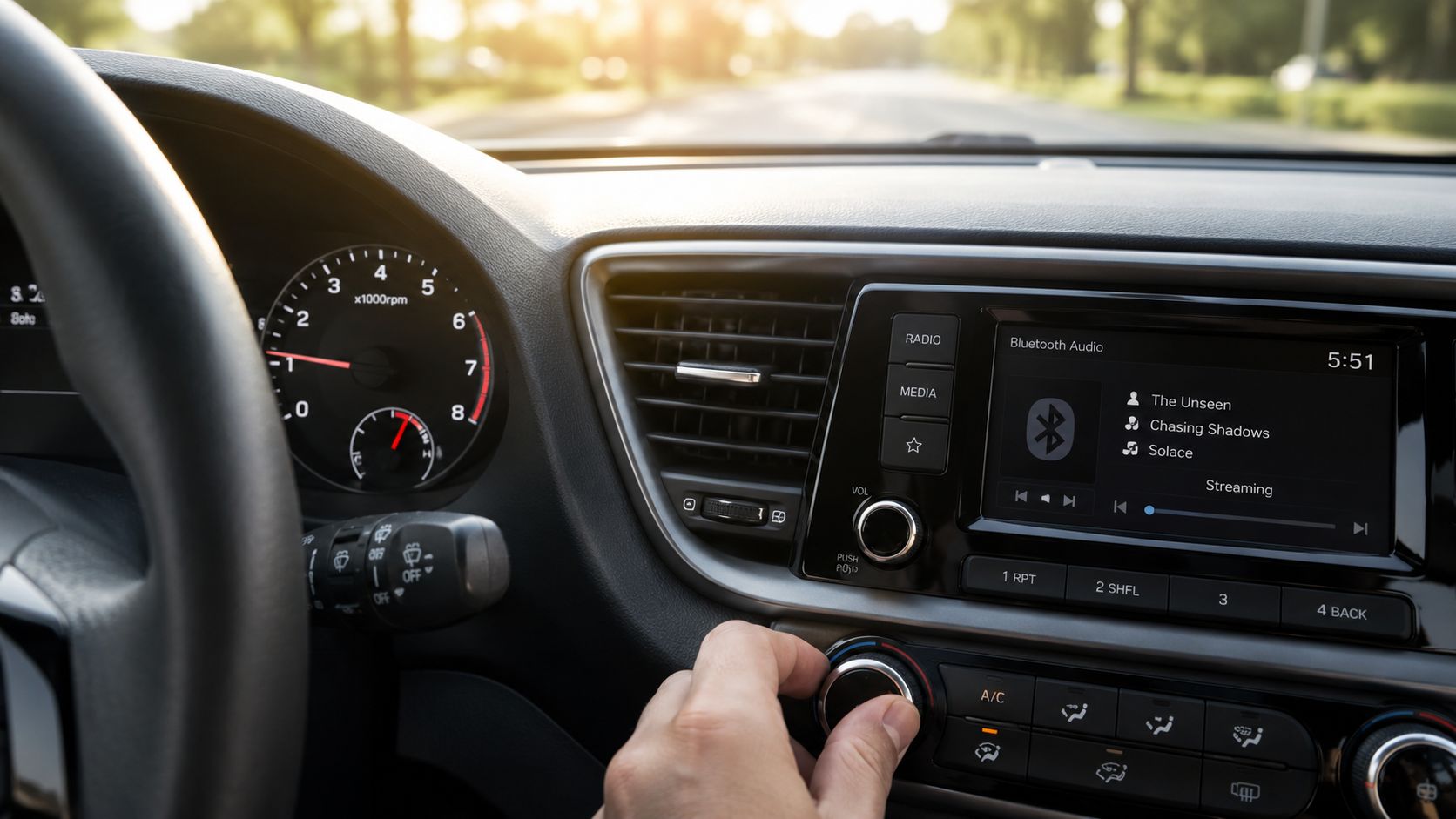
That's when the thermostat moves from “small part” to “main suspect.” Its job is simple. It stays closed when the engine is cold so the engine warms up quickly, then opens at its designed temperature to let coolant circulate through the radiator.
What failure looks like on the road
A thermostat that sticks closed can drive the gauge upward fast because hot coolant can't move through the system the way it should. A thermostat that sticks open creates a different problem. The engine may run too cool, warm up slowly, and leave you with weak cabin heat.
Those are the obvious symptoms, but there are a few others worth checking before you commit to a thermostat replacement:
- Overheating under normal driving means coolant flow may be restricted.
- A gauge that reads unusually low can point to a thermostat stuck open.
- Cold or weak heat from the vents often shows the engine isn't reaching proper operating temperature.
- Coolant seepage around the thermostat housing can mean the housing gasket, seal, or the housing itself is part of the issue.
Practical rule: Don't diagnose by one symptom alone. Overheating, no heat, and coolant loss can all overlap with other cooling-system faults.
Don't confuse symptom with cause
Often, DIY jobs go sideways during overheating diagnosis. People see overheating and assume the thermostat has to be bad. Sometimes it is. Sometimes it isn't.
A faulty coolant-temperature sensor, trapped air, a damaged thermostat housing, or another cooling-system issue can produce a very similar complaint. If the gauge behaviour seems erratic or the problem showed up right after other cooling work, that's the time to slow down and get a proper check done. A solid engine diagnostics inspection in Whitby can save you from replacing a good part and still having the same problem on the next drive.
What to inspect before touching tools
Open the bonnet only when the engine is fully cool. Then check a few basics:
- Look at the coolant reservoir level. If it's low, the thermostat may not be your only issue.
- Inspect around the housing. Dried coolant residue often leaves a crusty trail.
- Watch the gauge pattern. A slow climb, sudden spike, or cold-running engine each tell a different story.
- Pay attention to heater output. Cabin heat is one of the quickest clues to coolant circulation problems.
If the symptoms line up and the rest of the system looks reasonably sound, thermostat replacement becomes a sensible next move. If the signs are mixed, don't force the diagnosis.
Gathering Your Tools and The Right Parts
A thermostat job goes smoothly when the prep work is right. Most of the frustration comes from one of three mistakes: the wrong replacement thermostat, the wrong coolant, or starting the job without the tools to finish it properly.
The basic tool side is straightforward. You'll want a socket set, ratchet, extensions, pliers, hose-clamp pliers if you have them, a drain pan, shop rags, a scraper or plastic razor for gasket cleanup, and a torque wrench if the housing bolts are small and easy to overdo. Add gloves and eye protection because coolant finds its way everywhere.
Thermostat replacement checklist
| Category | Item | Pro Tip |
|---|---|---|
| Tools | Socket set and ratchet | Use extensions before you round off a buried fastener |
| Tools | Pliers or hose-clamp pliers | Twist hoses gently to break them free, don't pry against plastic necks |
| Tools | Drain pan | Catch coolant cleanly if you plan to reuse only what the vehicle allows |
| Tools | Gasket scraper or plastic razor | Clean mating surfaces without gouging aluminium |
| Tools | Torque wrench | Small housing bolts snap more easily than most DIYers expect |
| Parts | New thermostat | Match the vehicle application exactly, not “close enough” |
| Parts | New gasket or seal | Replace it every time, even if the old one looks decent |
| Parts | Correct coolant | Use the exact type specified for the vehicle and don't mix types casually |
| Supplies | Shop rags and brake-safe cleaner | Keep sealing surfaces dry and clean before reassembly |
The part number matters more than people think
The biggest trap is assuming every thermostat for your engine family is interchangeable. It isn't always that simple. Modern vehicles can be picky about temperature rating, housing shape, seal design, and how the engine management expects the cooling system to behave.
In professional HVAC work, technicians confirm terminal functions, voltage, and wiring before mounting a new unit. That same mindset applies here. The common DIY question is “Will thermostat replacement fix overheating?” What often gets missed is the need to rule out a stuck thermostat versus a sensor issue, trapped air, or a housing fault first, as highlighted in this part verification discussion for complex replacements.
Buy by VIN when you can. Comparing the old part on the bench to the new one before installation catches a surprising number of mistakes.
If you're deciding between bargain-bin parts and a closer OEM match, it helps to understand the trade-offs in OEM vs aftermarket auto parts. With thermostats, the wrong “fits your vehicle” listing can cost you more time than the part ever saved you.
Coolant choice isn't a side detail
Don't treat coolant like generic blue, green, or pink liquid. Use the coolant type specified for the vehicle. Mixing types can create contamination issues, poor corrosion protection, and a mess you don't want circulating through a radiator, heater core, and water pump.
A proper shopping run for thermostat replacement should end with three things in your hand: the correct thermostat, the correct seal, and the correct coolant. If any one of those is uncertain, stop and verify before you drain anything.
The Thermostat Replacement Process
A thermostat swap can look straightforward right up to the moment a bolt snaps, a plastic neck cracks, or the new part goes in backwards. The repair itself is usually manageable for a capable DIYer. The details decide whether it stays repaired.
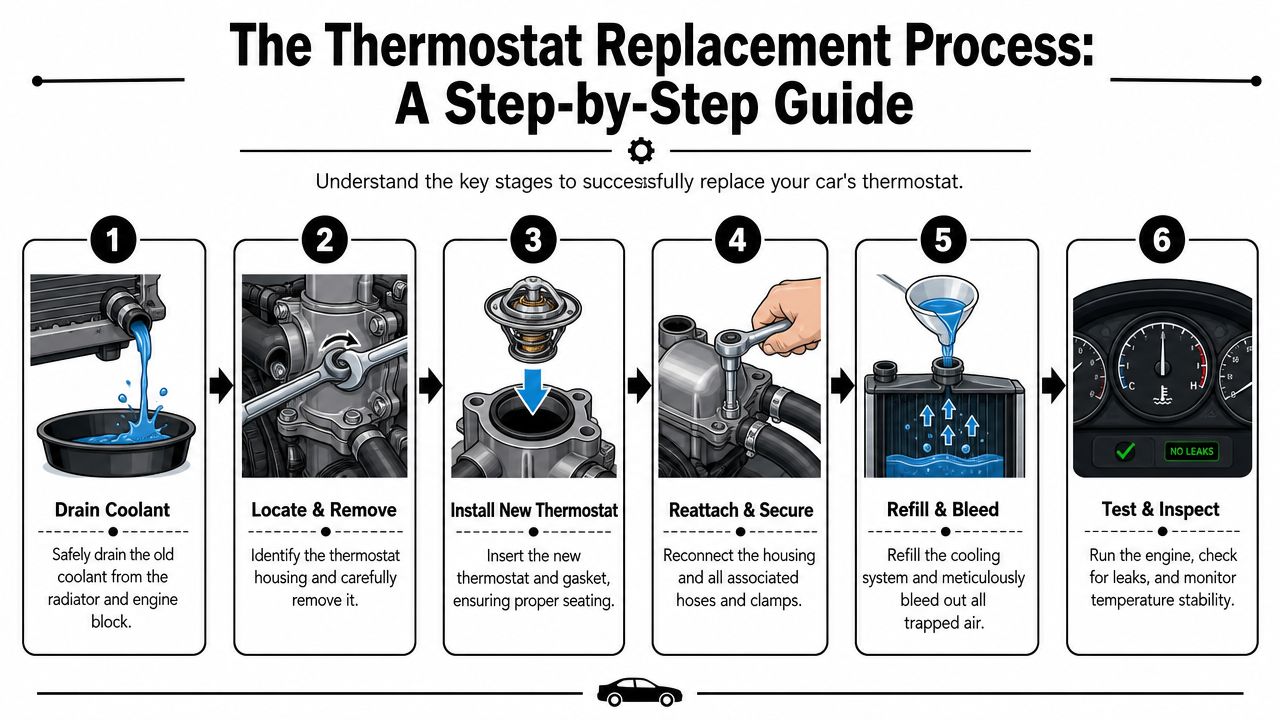
Start cold and work clean
Let the engine cool fully before opening anything. A warm cooling system can still hold enough pressure to spray coolant, and hot coolant burns fast. Crack the cap only after the system is cold, then drain enough coolant to bring the level below the thermostat housing.
Clean around the housing before you remove it. Grit likes to collect on hose connections and bolt pockets. If that dirt falls into the opening, you have just introduced contamination into the cooling system.
Keep bolts, clamps, and brackets in order as they come off. On some cars, one bolt is slightly longer than the other. Put them back in the wrong spots and you can crack the housing or bottom a bolt out before it clamps.
Access matters more than the part swap
Many thermostats sit near the upper radiator hose. Some do not. On newer engines, especially tighter transverse layouts common in Canadian daily drivers, access can be the main challenge. An intake duct, battery tray, alternator bracket, or sensor connector may need to move first.
Take a photo before disconnecting anything. Label connectors if the area is crowded. If you have handled smaller maintenance jobs like wiper blade replacement on your car, the process will feel familiar. The difference is that cooling-system mistakes usually show up after the engine reaches operating temperature, not while the car is sitting still in the driveway.
A few habits save parts and time:
- Twist hoses to break them free before pulling
- Support plastic fittings instead of yanking on the hose alone
- Use a 6-point socket on housing bolts when space is tight
- Stop if a bolt feels gummy or corroded, then work it loose gently
Remove the old thermostat carefully
Once the housing is off, study the thermostat before lifting it out. Match its depth, spring direction, and the position of any bleed hole or jiggle valve. This is one of the pro-level checks that generic DIY guides often skip, and it matters.
Some thermostats will physically sit in the recess the wrong way. They still will not work correctly.
Pull the old seal out with the thermostat if possible. Then clean both mating surfaces until they are smooth and free of old gasket material, corrosion, and coolant residue. Do not gouge aluminum while scraping. A small scratch across the sealing surface is enough to create a slow leak that only appears after a few heat cycles.
Install the new part exactly as designed
Set the new thermostat into the housing or engine recess the same way the original sat. If the design uses a jiggle valve or air bleed feature, place it at the top unless the service information for that engine says otherwise. That gives trapped air a path out during refill and warm-up.
Dry-fit the housing before tightening anything. Make sure the thermostat has not shifted out of its seat and the seal is not pinched. Then tighten the bolts evenly, a little at a time, so the housing pulls down flat. Small thermostat bolts strip easily, especially in aluminum threads, so this is one place where hand feel matters. If the manufacturer provides a torque spec, use it.
Sealant is another common mistake. If the replacement gasket is a molded rubber seal, extra RTV usually creates problems, not protection. Use sealant only if the repair procedure for that engine calls for it.
Check these points before reassembly is complete:
- The thermostat matches the old part in height and layout
- The spring side faces the engine where required
- The bleed feature is oriented correctly
- The new seal sits flat all the way around
- The housing bolts are tightened evenly
- Every hose and connector you moved is back in place
One more reality check. If the housing is badly warped, the sealing groove is pitted, or the bolts thread into damaged aluminum, a new thermostat alone may not solve the leak. That is the point where a careful DIY job turns into housing replacement or thread repair, and professional help starts to make more sense in a busy Whitby driveway.
Refilling and Bleeding the Cooling System Correctly
You finish the thermostat job, the engine warms up, and the temperature gauge still starts acting strange on the first drive. In a lot of cases, the new thermostat is not the problem. Air trapped in the cooling system is.
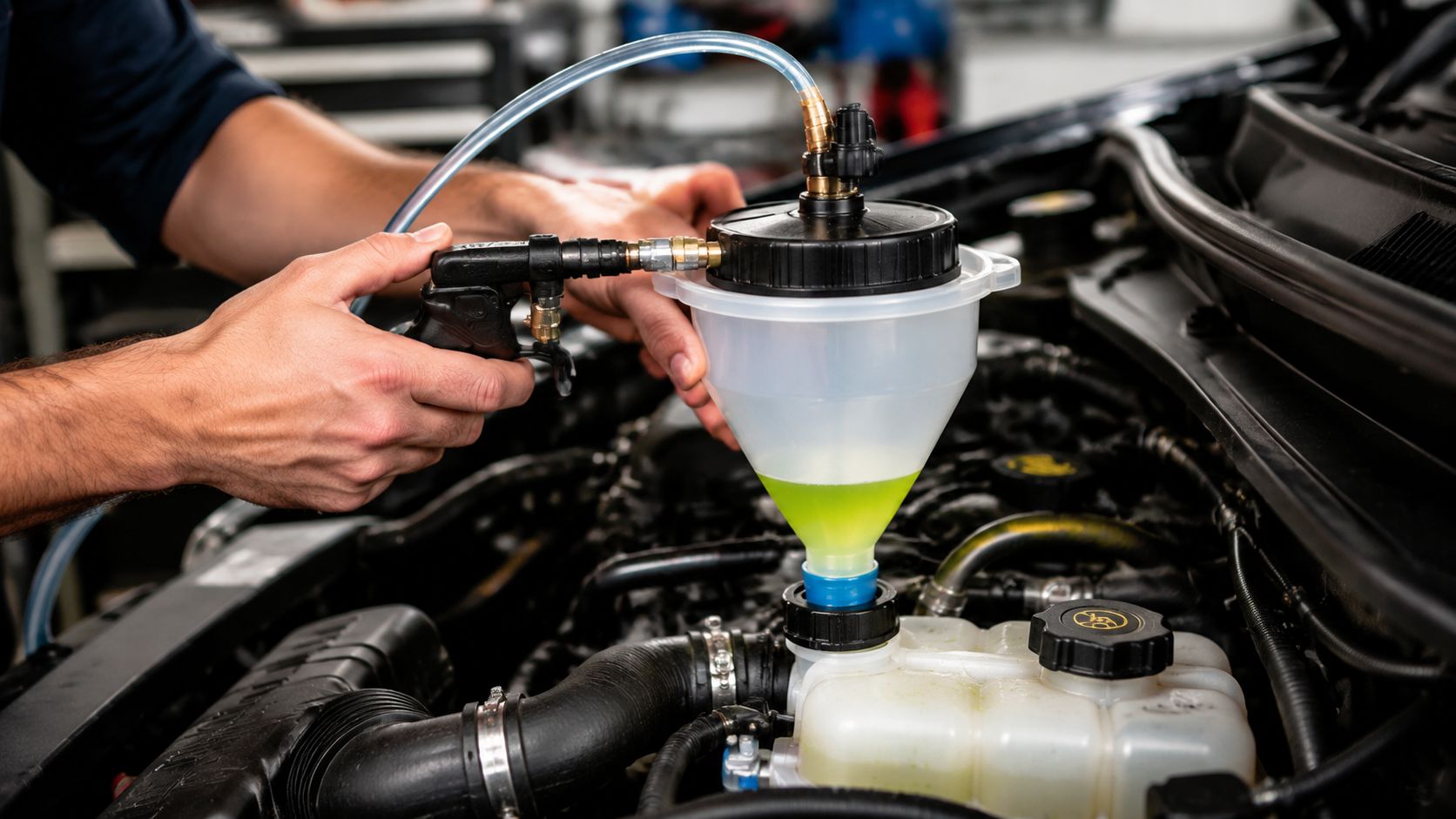
That trapped air changes how coolant moves through the engine, heater core, and thermostat housing. The result can look like a bad repair. The gauge may climb, then drop. Cabin heat may come and go. Some cars will even overheat at idle, then settle down once they are moving.
Canadian drivers run into this more often than they expect. Cold-weather operation puts more attention on heater performance, and a system that still has air in it usually shows its hand fast on a chilly Whitby morning.
Why a full radiator still does not mean a full system
Coolant fills the easy spaces first. Air stays behind in the high points, inside the heater core, and sometimes right around the thermostat you just installed. That matters because modern cooling systems are less forgiving than older ones. Some engines have remote reservoirs, multiple bleed points, or coolant passages that trap air unless you fill them slowly and follow the correct sequence.
Part verification matters here too. If the thermostat is correct but the housing sits at an awkward angle, or the bleed feature was installed wrong, the refill gets harder and the symptoms can mislead you. That is one reason a pro checks orientation and refill strategy together, not as separate steps.
A bleeding routine that works in the driveway
A spill-free funnel helps a lot because it puts the coolant level above the top of the engine and gives trapped air somewhere to go.
Use this process:
- Confirm the right coolant is going back in. Mixing the wrong type can create problems that have nothing to do with the thermostat job.
- Fill the system slowly through the proper fill point or expansion tank.
- Open any factory bleed screws if your vehicle uses them.
- Set the HVAC to full heat so coolant can move through the heater core.
- Start the engine and let it idle with the funnel attached or cap still off if the procedure for that car allows it.
- Watch for the thermostat to open. The coolant level usually drops, and you may see a few steady bubbles.
- Top up as needed and keep watching until the bubbling slows and the heater blows consistently hot.
- Shut the engine off, let it cool completely, and recheck the level in both the radiator and reservoir if your system uses both.
Do not rush this part.
Some engines bleed cleanly in one warm-up cycle. Others take a second cold check and another short idle period before the level finally stabilizes. If the heater stays lukewarm or the upper radiator hose never feels like coolant is flowing normally, stop and reassess before driving far.
What a proper bleed looks like
The finish is usually obvious. The temperature gauge settles into its normal range and stays there. Cabin heat is steady. The coolant level stays consistent after a full cool-down, and the area around the thermostat housing remains dry.
Take a minute to inspect the rest of the car while you are there. Fluid condition matters across the vehicle, and the same careful habit that catches a coolant issue early also helps with brake fluid service and brake system care.
Final checks that catch the mistakes people miss
After the engine cools, squeeze the upper hose gently and look for signs the system pulled coolant back from the funnel or reservoir properly. Check the overflow bottle level the next morning, not just right after shutdown. Then do a short local test drive and inspect again for seepage around the housing, hose connections, and drain point.
If the level keeps dropping, the heater output still surges, or the gauge wanders after two careful bleed attempts, the issue may be more than trapped air. A blocked bleed path, a leaking housing, a weak cap, or a wrong-part thermostat can all send you back to the same symptoms. That is usually the point where handing the car to a local Whitby shop saves time, coolant, and a second teardown.
Estimating Cost Time and Common Pitfalls
Saturday morning, the new thermostat is on the bench, the old coolant is drained, and the job still has a way of getting expensive fast if one small detail goes wrong.
The part itself is usually affordable. The spread in cost comes from access, housing design, coolant type, and whether the repair stays a clean one-part swap or turns into a housing, seal, or bolt problem. On many cars, a capable DIYer can keep the bill modest. On newer vehicles with tight packaging or integrated plastic housings, shop pricing climbs because the risk and labour climb with it.
Time works the same way. A simple thermostat on an older engine can be a short job. A modern transverse engine with buried fasteners can eat half a day in the driveway, especially if you stop to verify the part number, compare the new thermostat to the old one, and clean the sealing surface properly. That extra time is usually well spent.
For Canadian drivers, coolant choice and cold-weather performance matter more than many DIY guides admit. Installing a thermostat with the wrong temperature rating, or buying a bargain part that does not match the OE design, can leave you with weak cabin heat in winter, slow warm-up, or temperature behaviour that never feels quite right.
Where DIY jobs usually go sideways
The common mistakes are predictable.
Wrong thermostat orientation
The spring end needs to face the engine on most applications, and any jiggle valve or bleed feature has to sit in the correct position if the design calls for it. Get that wrong and the car may run poorly even though the part is new.Part mismatch on late-model vehicles
Some modern cars use thermostat assemblies, sensor-integrated housings, or model-year-specific variations that look nearly identical until you try to install them. Always match the old part, the engine code, and the housing layout before buttoning anything up.Overtightening bolts
Small fasteners in aluminum or plastic housings strip easily. A torque wrench matters here more than brute force.Bad sealing surfaces
Old gasket material, corrosion, or gouges around the housing can create a slow leak that only shows up after a few heat cycles.Turning one repair into two
A stuck hose, cracked plastic neck, or snapped bolt can change the plan fast. That is often the point where a driveway repair stops saving money.
One more trap catches plenty of people. They assume every warm-up or overheating complaint is the thermostat. Sometimes the underlying issue is a sensor problem, a weak cap, trapped air, or a water pump that is starting to fail. If you are trying to ensure your vehicle is safe, it helps to treat cooling system symptoms as a full-system check, not just a single part swap.
A practical way to judge the job
DIY makes sense when the thermostat is easy to reach, the diagnosis is solid, and you have the patience to verify the part before installation. It makes less sense when access is poor, the hardware looks seized, or the vehicle uses a more complex housing setup.
That decision matters more than the price of the thermostat itself.
If you are in Whitby and the job is starting to look like a second teardown waiting to happen, it is smarter to book a cooling system repair appointment at Carmedics Autowerks in Whitby. Paying for accurate diagnosis and clean installation once usually costs less than replacing the wrong part, wasting fresh coolant, and chasing the same symptom again.
When to Trust The Professionals at Carmedics Autowerks
Some thermostat jobs are honest driveway work. Others stop being fun the moment you can barely see the housing, one fastener starts to round off, or the car still runs wrong after you've installed the new part and bled the system carefully.
That's when a professional shop earns its keep. Modern engine bays don't leave much room for mistakes, and cooling-system issues can overlap in ways that aren't obvious from symptoms alone. A thermostat can be fine while the sensor is lying, the housing is warped, or trapped air is still causing unstable operation.
The situations where handing it over makes sense
A local Whitby expert is the right call when the job looks simple on paper but carries expensive downside in practice:
- The thermostat is buried deep behind intake plumbing, brackets, or other components.
- The housing or bolts are seized and one broken fastener could stall the job.
- The car still overheats or won't warm properly after a careful thermostat replacement.
- You want proper diagnostic confirmation before buying more parts.
If your bigger goal is to ensure your vehicle is safe, thermostat symptoms are worth treating as part of overall vehicle condition, not just a single repair line item.
Why local experience matters
A good shop doesn't just swap the part. It verifies the fault, checks related components, confirms the repair under real operating conditions, and gives you a cleaner answer if the thermostat wasn't the whole story.
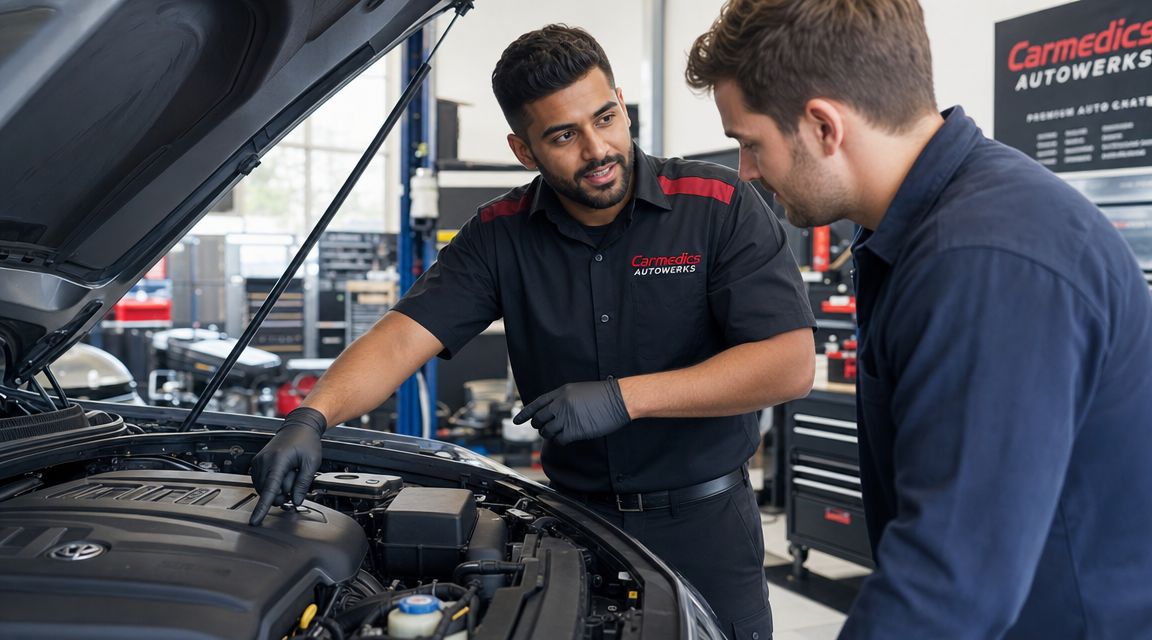
For drivers in Durham Region, working with a local team you can talk to matters. You want technicians who understand not just repairs, but how Ontario weather exposes weak cooling systems fast. If you need that kind of support, it's worth getting to know the team in Whitby.
A lot of owners who care about their vehicles also care about keeping them looking right once the mechanical side is sorted. That same local relationship can matter for long-term services like window tint, paint protection film, and collision repair. It's easier to stay ahead of problems when one trusted shop knows the vehicle.
If your car is running hot, won't warm up properly, or you're not convinced a thermostat replacement will solve the whole issue, Carmedics Autowerks Inc can help you diagnose it properly and fix it with the level of care your vehicle deserves.