

The window film market was valued at $12.9 billion in 2025 and is projected to reach $21.9 billion by 2033 at a 7.1% CAGR. That tells you something simple. Tint isn't a fad add-on anymore. Drivers keep buying it because it solves real problems every time they get behind the wheel.
In Whitby, those problems are easy to recognize. Summer sun across the 401 can be brutal. Winter glare off snow and wet pavement can be just as annoying. Add in long commutes, parking-lot exposure, and the cost of keeping a newer vehicle in good shape, and the benefits of window tinting start to look a lot more practical than cosmetic.
Done right, tint changes how a vehicle feels every day. The cabin stays more comfortable. Your eyes work less. Your interior takes less abuse. You get more privacy without turning the car into a cave. Done poorly, though, tint can create haze, peeling edges, legal headaches, and lousy night visibility.
That's why professional installation matters. Film quality matters too. A well-chosen tint package should match how you drive in Ontario, not just how you want the car to look parked in the driveway. If you're also comparing tinting costs in other settings, even something like cost of home window tinting shows the same pattern. Film choice and install quality drive long-term value.
Here's the straight version of what window tinting does for Whitby drivers, where it helps most, and where people often get it wrong.
1. UV Protection
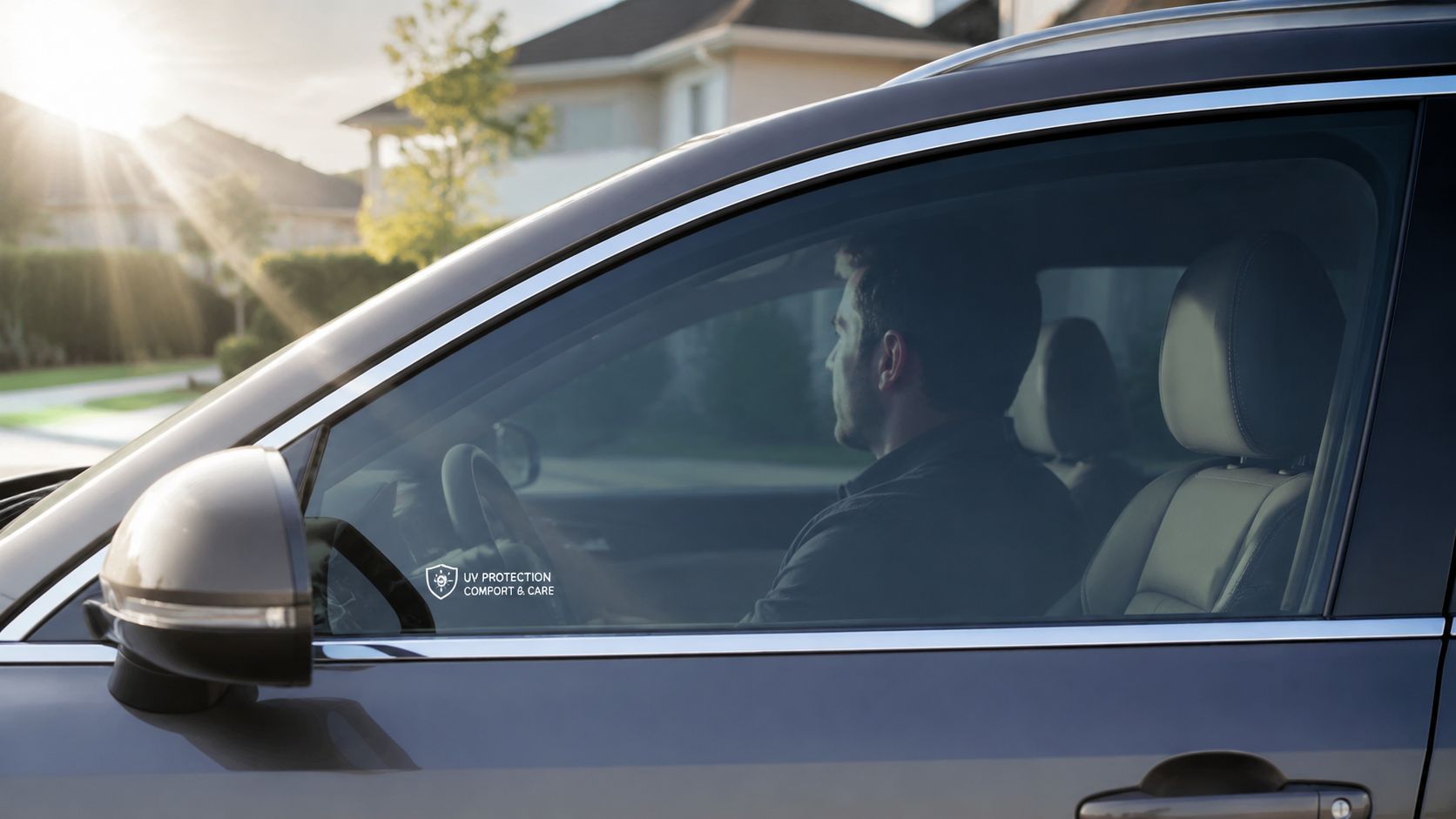
The Skin Cancer Foundation notes that some window films can block up to 99% of UV radiation. For drivers in Whitby, that matters more than many people realize. A daily run on the 401, Highway 412, or Dundas Street means repeated sun exposure through the side glass, even on cool days and even when the cabin never feels hot.
Ontario drivers usually notice sun damage after it has already started. You see it first on the left side of the cabin. The driver's arm gets more exposure. Leather dries out. Dark dashboards fade. Soft-touch trim starts looking tired before the rest of the vehicle does. UV is a year-round issue here because bright winter sun and snow reflection still put light through the glass.
Film choice matters more than darkness. A lighter, well-made film can still reject UV at a very high level while keeping visibility comfortable for night driving and rough weather. That is why I usually steer people toward higher-grade options instead of the cheapest dark film on the shelf. If you are comparing premium film types, this guide on whether ceramic tint is worth it for Ontario drivers is a good place to start.
For newer vehicles, early installation usually pays off. Automotive window tint films with strong UV rejection help protect the parts that are expensive to restore later.
A simple rule works here. Buy tint for performance first, appearance second.
UV protection tends to matter most for:
- Daily commuters: Regular east-west driving adds up fast over months and years.
- Drivers with long daytime mileage: Sales reps, contractors, and service techs spend more time exposed through the glass.
- Owners keeping a vehicle long term: Preserving leather, plastics, stitching, and trim helps the interior hold up better.
Professional installation matters for this benefit too. Poor film can discolor, haze, or fail early, and bad edge work leaves gaps where light still gets through. At Carmedics Autowerks, we match the film to the vehicle and how it is used in Ontario, which gets better protection without creating visibility problems the owner will regret later.
2. Heat Reduction and Energy Savings
Natural Resources Canada notes that a parked vehicle can heat up fast in summer sun. Whitby drivers already know what that feels like after leaving a car in an exposed lot near the GO station, at the waterfront, or outside a plaza on a clear July afternoon. Good window tint cuts down the amount of solar heat pushing through the glass, so the cabin starts from a more manageable temperature.
The difference is practical. Seats are less harsh to sit on. Steering wheels are easier to grab. The A/C gets the cabin comfortable sooner instead of spending the first several minutes trying to recover from a greenhouse effect.
Why film choice matters
Heat control depends heavily on the type of film, not just how dark the glass looks. Cheap dyed film can make a car look the part, but it often falls short on heat rejection and tends to age poorly. Ceramic film usually gives Ontario drivers the best mix of thermal performance, visibility, and durability, especially for people who spend time on Highway 401 or deal with long stop-and-go summer traffic.
If you are comparing options, this guide on whether ceramic tint is worth it for Ontario drivers will help you sort performance claims from marketing.
Professional installation matters here for a second reason. Film has to be matched to the vehicle, the glass area, and how the car is used. A family SUV with a large windshield and big side glass has different heat-load problems than a compact commuter car. At Carmedics Autowerks, we account for that before recommending a film package, which helps drivers get meaningful heat reduction without ending up with visibility issues they regret later.
Heat reduction tends to matter most for:
- 401 commuters: Low-angle sun from the side can heat one side of the cabin quickly.
- SUV and crossover owners: More glass usually means more heat build-up and more work for the climate system.
- EV drivers: Lower A/C demand can help protect driving range in hot weather.
- Parents with kids: Rear seats cool down faster after school pickup, errands, and weekend parking lot stops.
There is also a cost angle, although comfort is still the main reason people do it. If the cabin holds less heat, the air conditioning does not have to run as hard or as long to pull temperatures back down. That can help fuel economy in gas vehicles and help range in EVs, even if the savings are modest in day-to-day driving.
Home privacy films and automotive tint are not the same product either. Anyone who has looked up how to install window privacy film can see the general idea, but curved automotive glass, dot-matrix edges, and clean shrinking work are what separate a tint job that performs well from one that starts peeling, hazing, or trapping contamination.
A good tint package will not make the cabin cold on its own. It will reduce heat gain enough that summer driving in Whitby feels far less punishing.
3. Privacy and Security
Privacy is one of the most obvious benefits of window tinting, but the best security benefit is a little more specific. Tint doesn't make your vehicle theft-proof. It makes your vehicle less easy to read from the outside.
That matters in commuter lots, condo parking, shopping plazas, and any place where someone can walk past your car and quickly spot a gym bag, laptop case, tools, or aftermarket audio gear. If they can't see in clearly, they have less to act on. For a lot of owners, that alone is worth doing.
The smart way to use tint for privacy
The goal isn't to black out every piece of glass. The goal is to reduce visibility into the vehicle while keeping the driver's outward visibility usable in bad weather and at night. That's where a lot of DIY jobs go wrong. People chase the darkest possible look and end up hating the car after dark.
For Whitby drivers, rear glass and cargo-area glass usually give you the strongest privacy gain without compromising the front of the cabin. SUVs, crossovers, and pickups benefit the most because they often carry gear in visible areas.
A few common scenarios:
- Parents and families: Bags, strollers, sports equipment, and electronics stay less visible.
- Trades and fleet vehicles: Tools and work gear attract less attention when they aren't on display.
- Modified or enthusiast vehicles: Tint helps keep custom interiors, audio gear, and accessories out of plain view.
If you're curious about privacy film in a broader sense, this guide on install window privacy film shows the same basic principle. Visibility control works best when it's matched to the space and used with realistic expectations.
Privacy works best when paired with good habits. Don't leave valuables in sight. Don't rely on tint as your only deterrent. Use it as one layer in a smarter security setup.
4. Glare Reduction
Glare reduction is the benefit drivers tend to appreciate more with time. At first, they notice it on a bright afternoon. Then they notice it every single morning heading into low sun, every late-day drive westbound, and every winter day when snow and slush throw light back into the cabin.
For Ontario driving, this is a big deal. Strong glare on Highway 401, reflected light off wet pavement, and headlight glare during dark commutes all wear on your eyes. Even when glare doesn't feel dangerous, it adds fatigue. You squint more. You shift your posture. You keep adjusting the visor. Over time, that gets old fast.
Why lighter performance film often wins
A common assumption is that darker tint is the answer. It isn't always. In places with strict visibility rules, legal films have to balance performance with sightlines. Kelley Blue Book notes that California is one of seven states, plus the District of Columbia, requiring 70% light transmission on tinted windows and allowing a tinted bar up to five inches at the top of the windshield. That's a useful reference point because it shows how glare control and visibility can coexist when the film is chosen properly.
Ontario drivers can take the same lesson from that. A high-performing, relatively light film often does a better job than a cheap dark one because it reduces harsh glare without making dusk, rain, and nighttime driving miserable.
If a tint looks good at noon but makes you second-guess lane lines in rain after sunset, it's the wrong tint.
Who benefits most from glare reduction?
- Highway commuters: Long stretches of direct sun are where eye strain adds up.
- Older drivers: Many want less visual harshness without sacrificing clarity.
- Pickup and SUV owners: Higher seating position doesn't eliminate glare off surrounding traffic and pavement.
In day-to-day use, glare reduction is one of the most practical benefits of window tinting because it improves comfort without demanding any change in driving habits.
5. Interior Preservation
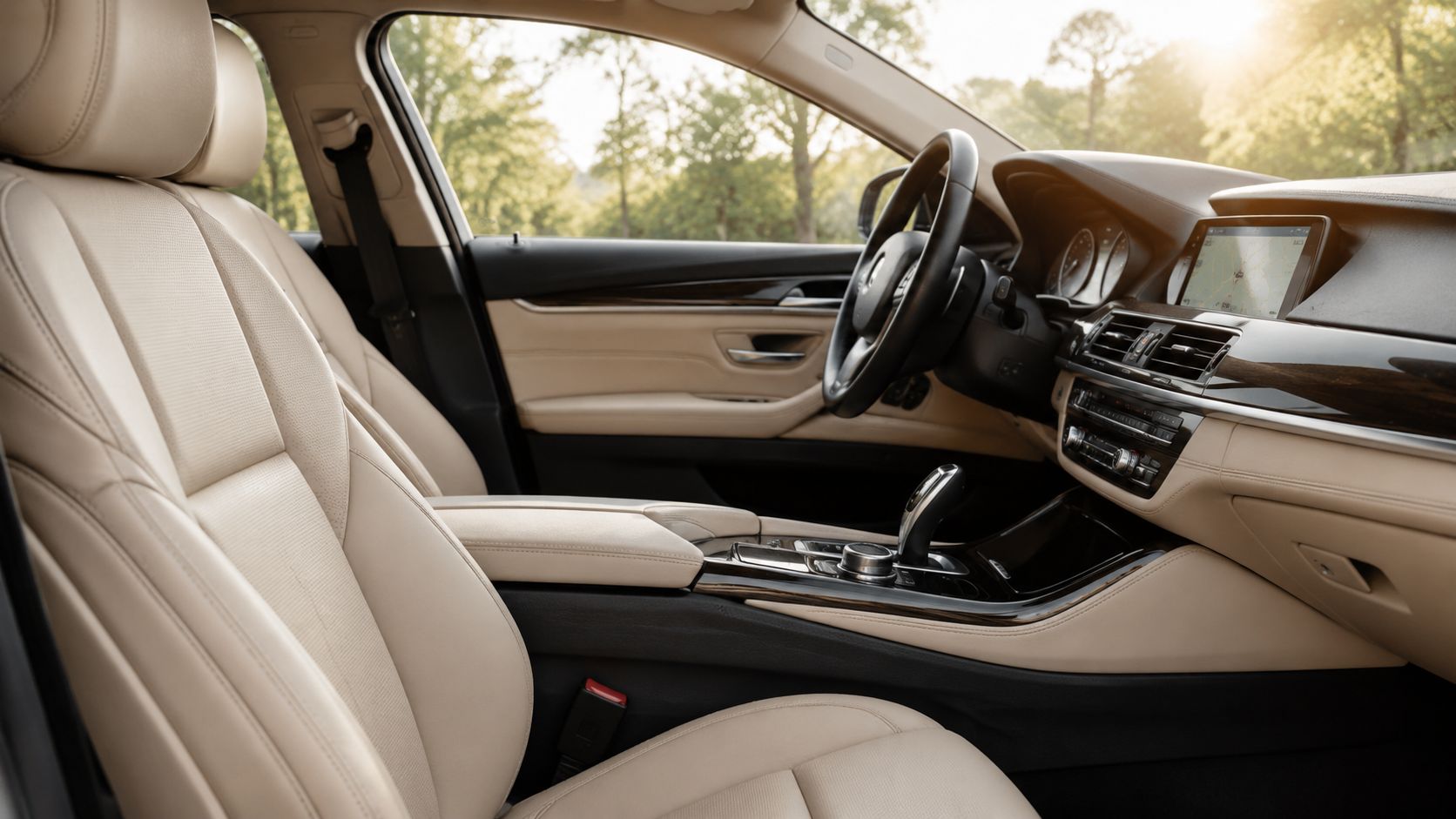
If you care about keeping a vehicle looking sharp for years, interior preservation should be near the top of your list. Seats, dashboards, trim, touchscreen surrounds, and door panels all age faster when they bake under direct sun day after day.
You don't need a show car for this to matter. New vehicles, leased vehicles, work trucks, and weekend toys all benefit when heat and UV are kept in check. Dash materials stay more stable. Leather and vinyl don't take the same daily beating. Fabrics keep their colour longer. For people who trade in, sell privately, or hate seeing a clean interior fade before its time, tint earns its keep.
Why this matters in Whitby
Southern Ontario gives you the full cycle. Hot bright summer days, long shoulder seasons, and winter glare all put stress on interior surfaces. If your vehicle spends part of the week outside at a GO station, office lot, or jobsite, the cabin gets repeated exposure even if you garage it at home.
This is one area where owners of newer vehicles usually make the smartest decision. They tint early, before the damage starts. Waiting until the dash is already fading misses the point.
Useful habits that make tint work even better:
- Tint early: The best time to protect interior materials is before they show wear.
- Use a sunshade when parked: Tint reduces exposure, but parked-vehicle heat still builds.
- Choose performance film over bargain film: If preservation is the goal, film quality matters more than the darkest look.
Another point worth considering is the year-round angle. A lot of window-tint content only talks about summer heat, but drivers in climates with bright winters and variable shoulder seasons need a better answer. That's why the discussion around year-round comfort and visibility with ceramic and spectrally selective films has become more relevant. Lighter, higher-performance films often make more sense than old-school dark tint, especially if you want comfort without hurting low-light visibility.
This is one of those benefits you don't always feel in a single moment. You notice it months and years later when the car still looks newer than it should.
6. Safety and Shatter Reduction
Tint can help with safety, but this is the benefit that needs the most honest explanation. Standard automotive tint film doesn't make side glass indestructible. What it can do is help hold broken glass together better than bare glass would on its own.
That matters in a collision, a hard impact, or even a break attempt. Instead of shattered pieces scattering as freely, the film can help keep the glass more contained. For families, daily commuters, and anyone who drives busy Ontario corridors often, that extra layer is worth paying attention to.
What film can and can't do
The mistake is assuming every tint film is a security film. It isn't. If safety is a priority, ask specifically about products designed with impact holding power in mind. There's a difference between a film chosen mainly for appearance and one chosen partly for added protection.
For some drivers, this makes the most sense on passenger windows where occupants are closest to the glass. Parents often care about this more than enthusiasts do at first, but once you understand the difference, it's easy to see the value.
If windshield protection is also part of your plan, XPEL windshield protection film addresses a different part of the same problem. Side-window tint and windshield protection aren't the same product, but together they can create a more complete glass-protection strategy.
Shop-floor advice: Ask what problem the film is meant to solve. Heat, privacy, appearance, and impact holding are related, but they're not identical.
Good safety-focused tinting also depends on clean installation. Poor edge work, trapped debris, and low-grade adhesive don't just look bad. They shorten the life of the film and can affect how well it performs when it matters.
7. Aesthetic Enhancement and Customization
Let's be honest. Looks matter. Even drivers who come in asking about heat or UV usually care about appearance too, and they should. A good tint job changes the whole profile of a vehicle.
It tightens up the look of a sedan. It gives SUVs and trucks a cleaner, more finished appearance. It helps tie together wheels, trim, paint colour, black accents, and factory styling lines. On many newer vehicles, tint makes the car look the way people expected it to look from the factory.
Matching the film to the vehicle
The best visual result usually comes from balance, not maximum darkness. A light silver car often takes a different shade well than a black SUV. A luxury vehicle may look best with a clean, factory-style finish. A sport build might suit a more aggressive appearance. Good installers help owners choose a percentage that fits the vehicle instead of blindly following trends.
If you're trying to decide what suits your build, automotive window tint percentages are worth comparing before you commit.
A few combinations that usually work well:
- Luxury sedans: Clean, even tint that looks OEM and not overdone.
- Performance builds: Slightly bolder shading that complements wheels, trim, and body lines.
- Family SUVs: Balanced tint that improves privacy and appearance without making the cabin too dark.
The visual side matters for resale too. Good tint can make a vehicle look cared for. Bad tint does the opposite. Purple film, bubbling edges, and uneven cuts scream shortcut work. If appearance is the reason you're tinting, that's exactly why professional installation matters.
8. Regulations Compliance and Legal Protection
A good tint job should never leave you wondering whether you're going to get unwanted attention at a traffic stop or fail a required inspection. Legal compliance is one of the least glamorous benefits of window tinting, but it's one of the most important.
Local knowledge is paramount. Tint law isn't just about choosing a shade you like. It's about visible light transmission, windshield rules, and making sure the final result still gives you safe outward visibility. A lot of DIY film and low-end aftermarket work causes problems because people buy based on appearance, not compliance.
Why professional installation protects you
A professional shop measures, recommends, and installs with the law in mind. That lowers the risk of ending up with something that looks good in the driveway but becomes a headache later. It also helps when you sell the vehicle, return a lease, or need to answer questions about what's on the glass.
For Ontario drivers, legal tinting should also reflect real driving conditions. Whitby drivers deal with rain, snow, early darkness in winter, and headlight glare from dense traffic. A legal, high-clarity film often gives a better all-around result than an aggressively dark setup.
This matters even more now because buyers are getting more selective. There's growing interest in lighter high-performance films that prioritize UV protection, glare reduction, and comfort over the old darker-is-better mindset. That shift is part of a bigger conversation about measurable value versus generic claims, and this discussion of UV protection, glare reduction, interior preservation, and legal VLT tradeoffs points in the same direction.
To avoid problems, start with the law:
- Know the limits: Don't guess based on what you've seen on other cars.
- Choose clarity over bravado: Especially on front glass, night visibility matters.
- Use a shop that understands Ontario rules: Window tint laws should guide the install from the start.
The best legal protection is simple. Get the job done right once.
Window Tinting Benefits, 8-Point Comparison
| Item | Implementation Complexity 🔄 | Resource Requirements ⚡ | Expected Outcomes 📊 | Ideal Use Cases 💡 | Key Advantages ⭐ |
|---|---|---|---|---|---|
| UV Protection | 🔄 Moderate, professional install recommended | ⚡ Moderate upfront (ceramic preferred) | 📊 Blocks ~99% UVA/UVB; long-term skin & material protection | 💡 Daily commuters, long drives, high sun exposure | ⭐ Strong health protection; interior preservation |
| Heat Reduction and Energy Savings | 🔄 Moderate–High, ceramic/quantum films for best results | ⚡ Higher upfront; yields fuel/A/C savings over time | 📊 Lowers cabin temp 10–15°C; A/C load ↓25–30%; fuel savings ~3–5% | 💡 Hot climates, high‑performance cars, fleet vehicles | ⭐ Better comfort, lower operating costs, thermal protection |
| Privacy and Security | 🔄 Low–Moderate, select compliant darkness; pro fit advised | ⚡ Low–Moderate cost; darker films for rear windows | 📊 Obscures interior; reduces break‑in risk ~35–40% | 💡 Urban parking, owners of valuables, fleets | ⭐ Theft deterrence; passenger privacy |
| Glare Reduction | 🔄 Moderate, polarized/ceramic films recommended | ⚡ Moderate cost; premium films improve performance | 📊 Reduces glare 45–60%; decreases eye strain and fatigue | 💡 Long commuters, drivers with light sensitivity | ⭐ Improved visibility and driving safety |
| Interior Preservation | 🔄 Low–Moderate, best when applied early | ⚡ Moderate preventive investment | 📊 Prevents fading/cracking; preserves 15–25% more interior value over years | 💡 New, luxury, classic, or lease vehicles | ⭐ Extends interior life; maintains resale value |
| Safety and Shatter Reduction | 🔄 Moderate–High, safety‑grade films and correct thickness | ⚡ Moderate extra cost vs cosmetic films | 📊 Holds glass on impact; reduces flying glass hazard up to ~95% | 💡 Families, high‑risk environments, commercial fleets | ⭐ Significant occupant protection in collisions |
| Aesthetic Enhancement and Customization | 🔄 Low–Moderate, many style options; quality depends on installer | ⚡ Low–Moderate cost; specialty/gradient options cost more | 📊 Instant visual upgrade; highly customizable appearance | 💡 Enthusiasts, custom builds, show vehicles | ⭐ High visual impact; reversible customization |
| Regulations Compliance and Legal Protection | 🔄 Moderate, certified installers ensure legal fitment | ⚡ Low–Moderate (documentation and certified shop fees) | 📊 Ensures compliance with Ontario VLT rules; avoids fines/inspection issues | 💡 Responsible owners, fleets, lease returns | ⭐ Legal protection, documentation, warranty support |
Your Next Step to a Better Drive in Whitby
The benefits of window tinting are real, but they aren't all equal for every driver. If you commute daily, glare reduction and heat control may matter most. If you've bought a new SUV or performance car, UV protection and interior preservation usually rise to the top. If you park in public lots often, privacy becomes more than a style choice.
That's the part many generic articles miss. Tint should match how the vehicle is used. A car that spends its life on the 401 has different needs than a weekend cruiser. A family SUV in Whitby has different priorities than a lightly driven summer toy. The right answer usually isn't “go darker.” It's “choose better film and install it properly.”
Professional installation is where all of this comes together. Film needs to be cut cleanly, laid without contamination, and matched to the glass and legal requirements. Poor installation shows up fast. You'll see dirt trapped under the film, uneven edges, peeling corners, haze, or a result that's frustrating at night. Good installation disappears into the vehicle. It looks factory, performs properly, and keeps doing its job.
That's why working with a local shop matters. A Whitby-based installer understands the driving conditions Ontario owners deal with all year. Bright summer sun, winter glare, freezing mornings, long commuter routes, wet roads, and the need to stay on the right side of the law all affect what makes sense on a real vehicle. Advice should be based on that, not on generic online recommendations from another region.
At Carmedics Autowerks, the value isn't just in putting film on glass. It's in helping drivers choose the right film for the right reason. Some owners want the cleanest look possible. Some want cabin comfort. Some want a protective layer for a newer vehicle they plan to keep for years. Most want a combination of all three, with no shortcuts on compliance or finish quality.
If you're serious about upgrading your vehicle, tint is one of the smartest changes you can make because you notice it every day. You feel it when the car isn't baking in the sun. You see it when the interior stays cleaner and newer. You appreciate it when the glare eases off on a bright drive home. And you still get the visual upgrade that makes the whole vehicle look sharper.
A well-installed tint job doesn't just improve the car. It improves the drive.
If you want a cleaner look, better comfort, stronger UV protection, and a tint package that suits Ontario driving, book a consultation with Carmedics Autowerks Inc. Our Whitby team installs premium film for cars and SUVs with a focus on fit, clarity, compliance, and long-term durability, so your vehicle looks better and works better every day.