

You hear it pulling into a plaza or backing out of the driveway. A squeal. Maybe a scrape. Maybe the pedal feels softer than it did last month. Your stomach drops for the same reason every time. Brakes aren't a “wait and see” system, and you know the bill could go anywhere from minor service to a bigger repair once the wheels come off.
That's why the words free brake inspection get attention. They sound low-risk, sensible, and easy to say yes to. Sometimes they are. Sometimes they're also the front door to a sales process. Both things can be true at once.
A free check can be useful. It can also be limited. The difference comes down to what the shop inspects, how clearly they explain the findings, and whether they treat the inspection as a safety service or a lead generator first.
That Sound Your Brakes Are Making
Most drivers don't book a brake appointment because they woke up feeling organised. They book because the car started talking. A high-pitched squeal at a red light. A grinding sound in stop-and-go traffic. A pedal that feels normal one day and vague the next.
Some noises turn out to be simple. A dust shield can rub and sound far worse than it is. If you want a solid example of how that happens, T1A Auto's brake noise solutions break down one of the more common causes that drivers mistake for pad failure. Other sounds are more serious, and that's where guessing gets expensive.
If your brakes are squeaking and you want a plain-English overview of common causes before you book in, this guide on how to fix squeaky brakes is a useful starting point. It helps you separate normal wear noise from symptoms that need hands-on inspection.
Brakes rarely fail with no warning at all. Most cars give you a sound, a feel, or a smell first. The problem is that drivers often wait until the warning gets loud.
A lot of shops advertise a free brake inspection because it answers the question every driver asks first. “Is this urgent, and what am I walking into?” That part is legitimate. You need someone to look at the system before anyone can say whether you've got worn pads, damaged hardware, fluid trouble, or something else.
The catch is simple. “Free” doesn't mean unlimited diagnosis. It usually means a first look designed to identify obvious wear, confirm a complaint, and create an estimate if work is needed.
What a Technician Actually Checks During an Inspection
A proper brake inspection is more than a quick peek through the wheel spokes. According to Firestone's description of a free brake inspection, it's a 30-minute service that covers over 20 distinct components, with findings compared to manufacturer specifications. Their process includes a 30-minute test drive, under-hood checks, rotor inspection, caliper checks, rear drum inspection where applicable, wheel bearing movement checks, and inspection of hub and lug nut holes for unsafe wear in addition to the usual pad and fluid review. You can read that breakdown in their overview of what a free brake inspection includes.
The wear parts most drivers already know
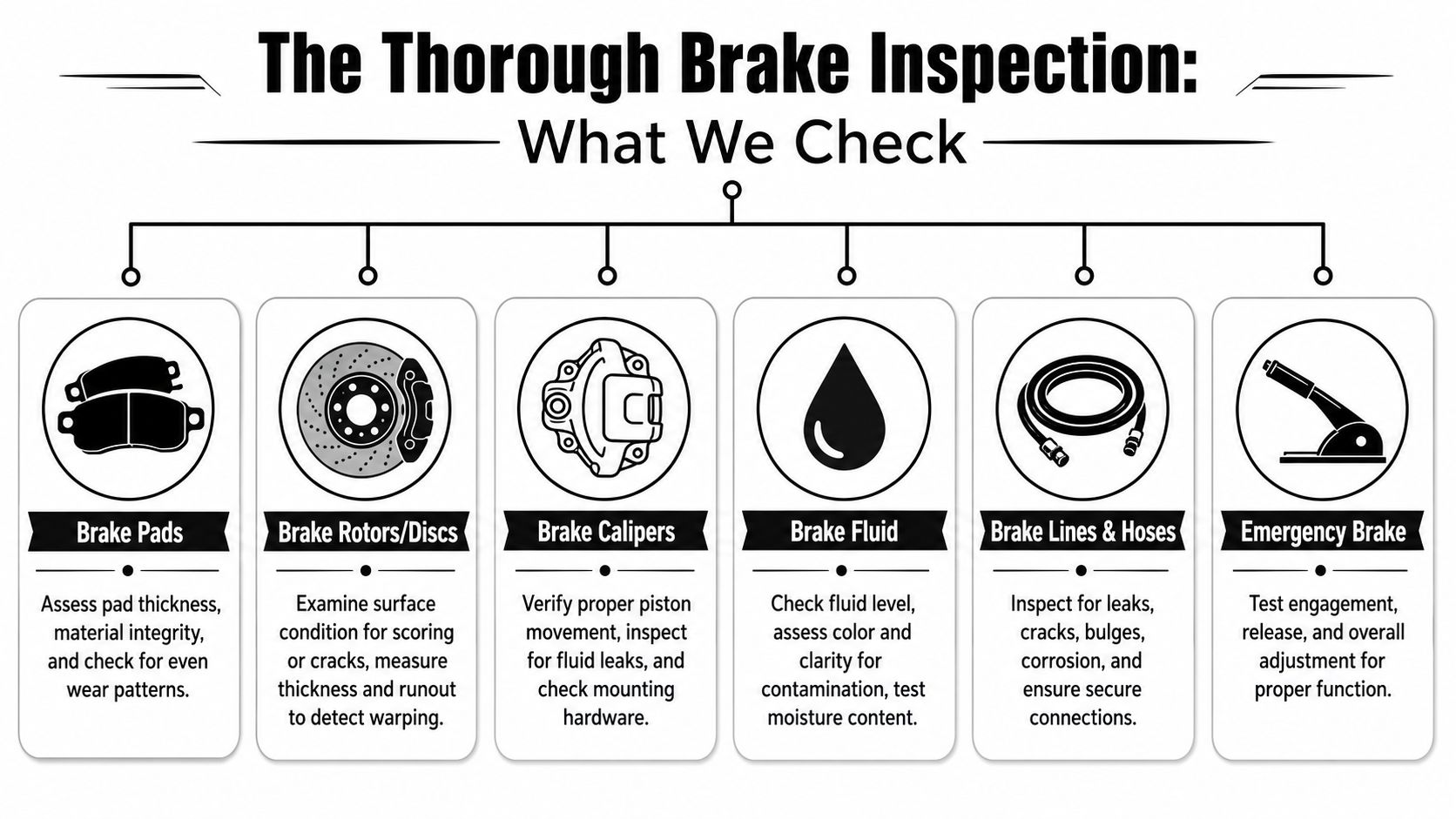
Pads are the obvious one. They're the soles of the shoe. We measure thickness, but we also look at how they're wearing. Even wear usually points one way. Inner pad worn much faster than outer pad points another. Crumbling edges, glazing, or heat damage tell their own story.
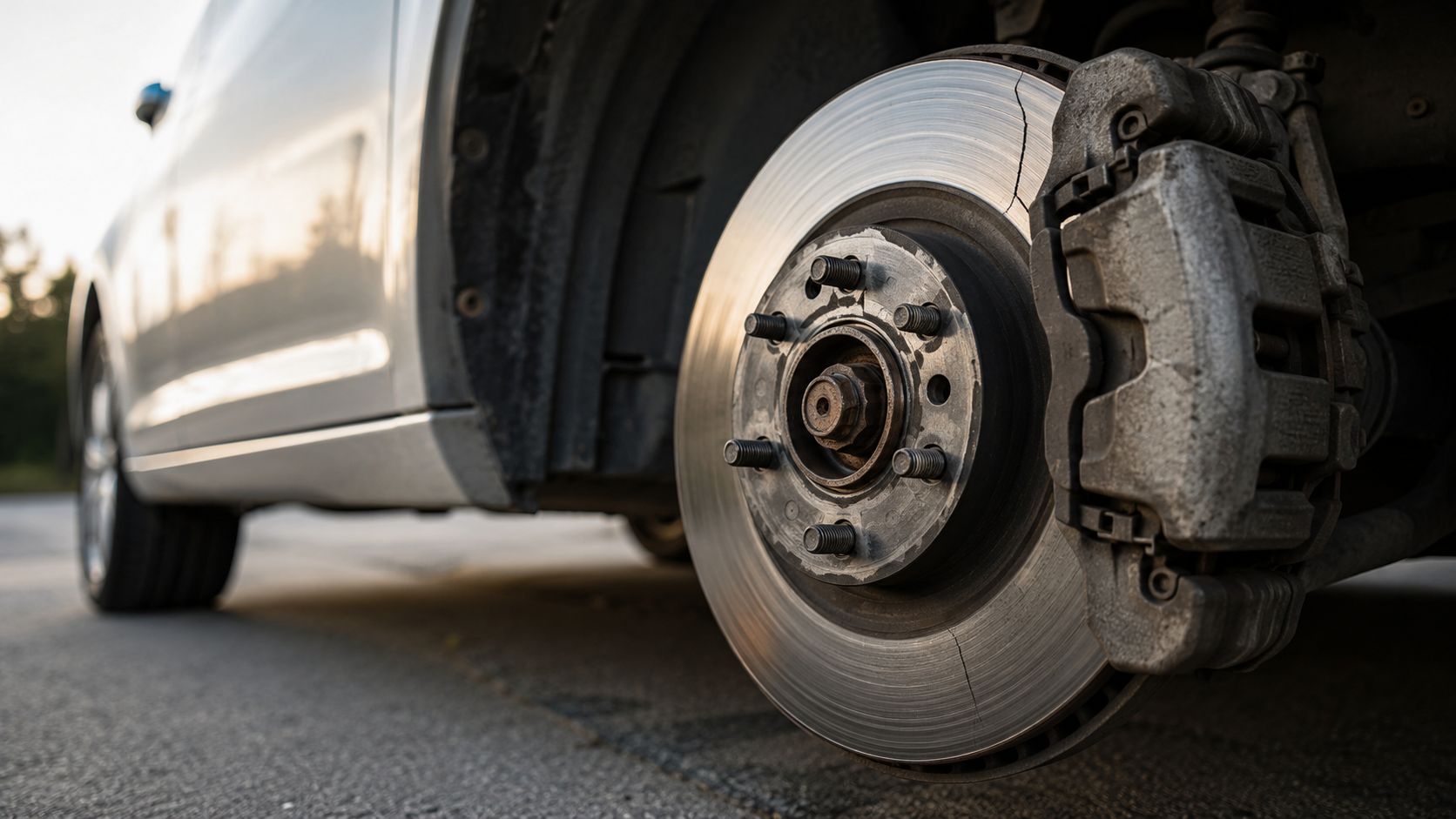
Rotors matter just as much. A rotor can look acceptable from one angle and still have scoring, hot spots, cracking, or thickness issues that change how the pedal feels. A decent inspection doesn't treat the rotor as an afterthought.
The parts that decide whether the brakes work smoothly
Calipers have to move properly. Slides seize. Pistons stick. Seals leak. A car can still stop with those faults, but it won't stop well, and it won't wear parts evenly. That's how one brake job turns into another one too soon.
Fluid condition matters too. Dark fluid, contamination, or moisture concerns change pedal feel and long-term component life. If you want to understand why shops pay attention to hydraulic condition, this explainer on brake fluid service lays out what the fluid is doing inside the system.
Here's what a thorough inspection should account for:
- Brake pads or shoes checked for thickness, condition, and even contact
- Rotors or drums inspected for damage, wear pattern, cracking, and heat issues
- Calipers and hardware examined for sticking slides, leaks, rust, and proper movement
- Brake lines and hoses looked over for corrosion, seepage, cracking, or damage
- Fluid and reservoir area checked under the hood along with the master cylinder and booster
- Parking brake operation tested because it's part of the system, not an optional extra
Practical rule: If the inspection result only says “pads low” and says nothing about rotor condition, caliper movement, fluid, or hardware, it probably wasn't a very deep inspection.
A good technician isn't hunting for one bad part. They're checking whether the whole system works as a system.
Warning Signs You Need a Brake Check Now
Some brake symptoms let you plan a visit. Others mean stop pushing your luck. The key is to pay attention to what the car is telling you through sound, feel, and warning lights.
What you hear
A light squeal can mean normal wear indicators, pad material issues, or surface contamination. A grind is a different conversation. Grinding usually means metal is contacting metal somewhere, or hardware has moved where it shouldn't.
Clicking or clunking while braking can point to loose hardware or shifting components. That doesn't always mean catastrophic failure, but it does mean the system needs attention.
What you feel
A vibration in the pedal or steering wheel under braking often points to rotor condition or uneven braking force. A car that pulls to one side may have a sticking caliper, uneven friction, or a hydraulic issue.
A soft or spongy pedal should never be brushed off. That can involve fluid condition, air in the system, or a hydraulic fault. If stopping effort suddenly changes, treat it as urgent.
If you're trying to judge whether your friction material may be worn out, this page on how often to change brake pads gives useful maintenance context.
What you smell or see
A sharp burning smell after braking can mean overheated brakes. If one wheel is much hotter than the others, that often points to a sticking component. Warning lights matter too, especially if they appear with changes in pedal feel or braking behaviour.
Use this quick rule set:
- Book immediately if you hear grinding, feel a soft pedal, or the vehicle pulls hard while braking
- Drive cautiously and get it checked soon if you notice squealing, vibration, or increased stopping effort
- Stop driving if braking feels unsafe. No article can override what your foot is telling you
If the pedal suddenly feels wrong, trust your foot before you trust your schedule.
Understanding Your Inspection Results and Next Steps
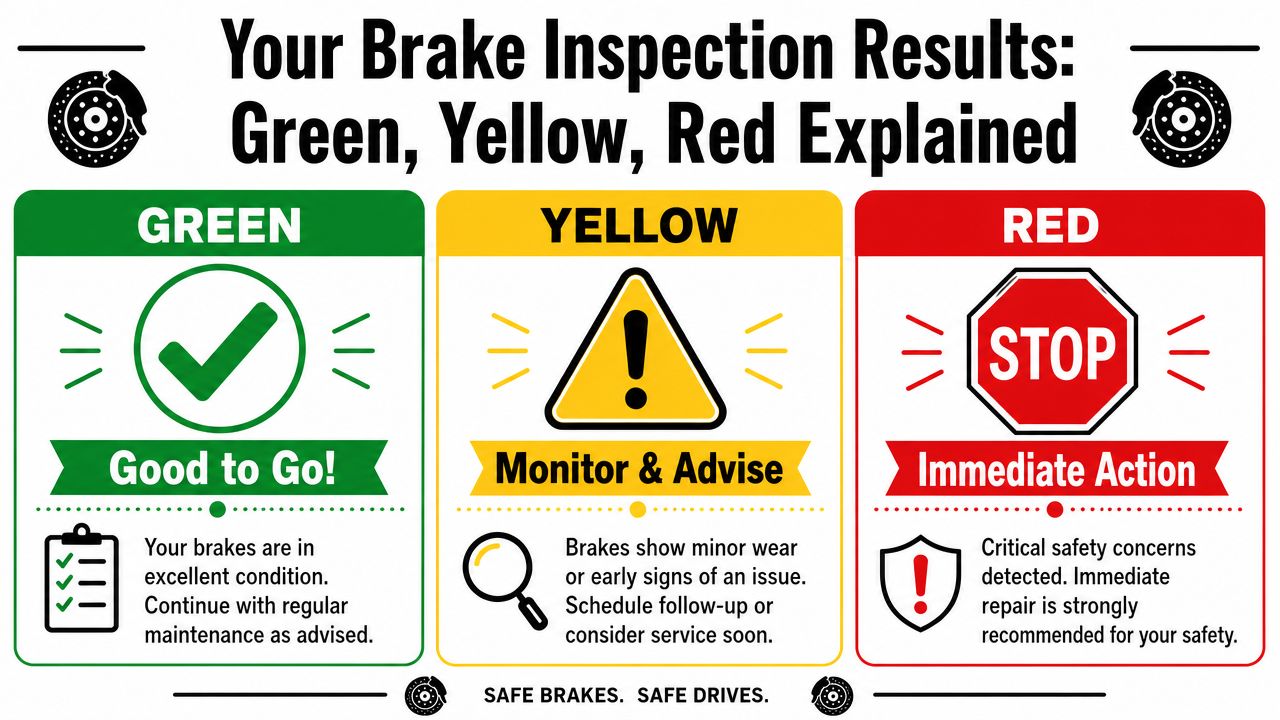
Inspection reports often sound more dramatic or more vague than they should. Most shops boil the result down to a traffic-light system, even if they don't say it that way out loud. The useful question isn't whether a part is “good” or “bad.” It's how close it is to losing safe margin.
Green means serviceable
Green usually means the system is operating properly, wear is acceptable, and there's no immediate safety concern. That doesn't mean “forget about it.” It means carry on and recheck at normal service intervals.
Yellow means plan the work
Yellow is where most honest conversations should happen. In Ontario, the technical benchmark for a passable brake inspection is 1.6 mm minimum friction material thickness on bonded disc brake pads, but licensed technicians commonly recommend replacement at 3.0 mm to preserve stopping power and safety margin, as explained in this review of the Ontario MTO brake safety inspection benchmark.
That gap matters. A pad can still be legal and still be close enough to the edge that a technician doesn't want to send you into another season without a plan.
| Status | What it usually means | What you should do |
|---|---|---|
| Green | Brakes are in solid working condition | Stay on top of routine inspections |
| Yellow | Wear is present or a fault is developing | Budget and schedule service before it turns urgent |
| Red | Safety concern or failed component | Repair before treating the vehicle as road-ready |
Red means stop debating
Red should be reserved for real risk. Severely worn friction material, obvious fluid leaks, major rotor damage, seized components, or braking behaviour that's unsafe on the road. This isn't where a shop should pressure you with theatre. The findings should be visible, measurable, and easy to explain.
If the estimate lands in yellow or red territory and you want to understand the repair side before approving anything, this guide to brake pad replacement cost helps frame what usually drives the bill.
A legal minimum and a smart replacement point aren't the same thing. Shops that explain the difference clearly are usually the ones worth listening to.
The right next step depends on the report quality. Ask for measurements. Ask what's worn, what's urgent, and what can wait. If they can't answer without hiding behind jargon, slow down.
Common Myths and Hidden Truths About Free Inspections
The biggest myth is that “free” means the shop is doing you a favour with no business reason behind it. It isn't charity. It's marketing, triage, and lead generation rolled into one appointment. That doesn't make it dishonest. It just means you should read the service correctly.
What free usually means in practice
A free brake inspection is designed to get your car in the bay, confirm whether there's obvious work to sell, and reduce the barrier to saying yes to an estimate. That can still benefit you. You get a first-pass safety check without paying diagnostic labour up front.
Where drivers get frustrated is when they assume that free means exhaustive. It usually doesn't. Visual wear items are easiest to confirm quickly. Deeper faults often need more time, more disassembly, road testing, scan data, or all of the above.
What it may not catch
Expectations are important in this context. 68% of CA drivers report surprise costs from rotors or ABS issues after receiving a “free” brake check, which highlights how often these inspections focus on visible wear rather than deeper electronic or mechanical faults, according to Firestone's brake problems page on rotor and ABS-related brake issues.
That lines up with what technicians see all the time. Intermittent ABS faults don't always show themselves during a quick visual inspection. Rotor issues can hide until measurements are taken or load conditions change. Hardware can move freely in the bay and bind under heat on the road.
Common myths worth dropping:
- “Free means complete.” It usually means initial, not exhaustive.
- “If they didn't find it, it isn't there.” Some faults need deeper diagnosis.
- “No-obligation means no sales process.” The inspection exists partly to create repair work.
- “Pads are the whole story.” Pads are one visible part of a larger system.
A free inspection is worth using when you treat it as a starting point. It's not a guarantee that every hidden issue has been ruled out.
Your Trusted Brake Experts in Whitby
Price gets people through the door. Trust is what should decide where the car stays. That's especially true with brakes, because the quality of the inspection matters more than the word “free” on the sign outside.
A strong brake assessment comes from a technician who can separate urgency from upsell, explain what's visible versus what still needs diagnosis, and show you the reason behind the recommendation. That's the difference between a useful inspection and a sales script.
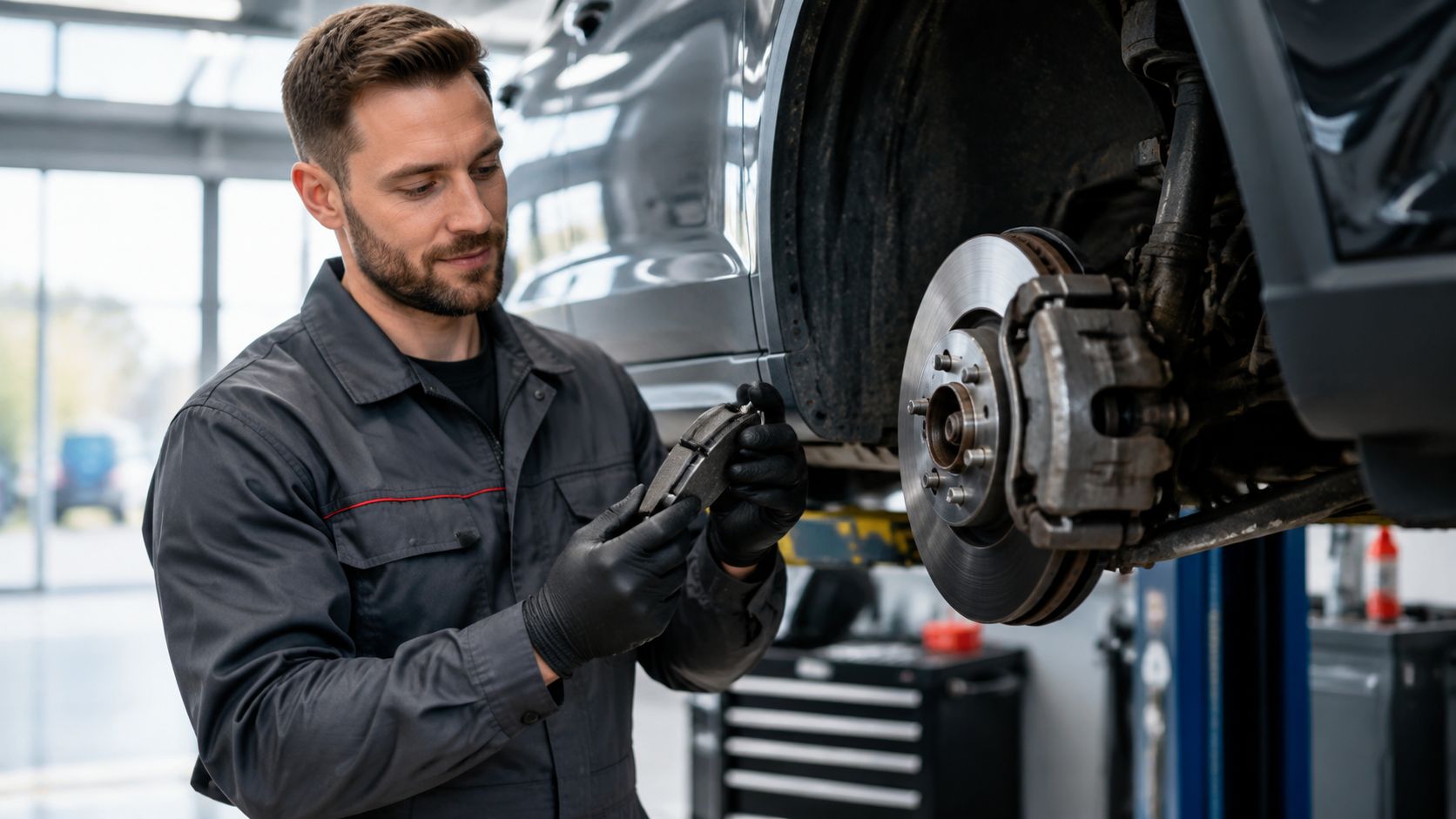
If you're in Whitby and want that kind of clarity, look for a shop that treats brake service as a safety conversation first. You should leave knowing what was checked, what was measured, what can wait, and what shouldn't.
For local drivers who want that level of straightforward brake care, Whitby brake repair services are worth a close look. The right shop won't hide behind the word free. They'll tell you exactly what the inspection did, what it didn't do, and what your next smartest move is.
If you want a brake inspection that's honest about both the value and the limits of a “free” check, book with Carmedics Autowerks Inc. Drivers in Whitby can count on clear explanations, careful workmanship, and brake recommendations based on what the car needs.