

You bought the car because every drive felt right. The paint looked deep, the interior smelled clean, and even a short run through Pickering felt a bit more enjoyable when the vehicle still had that fresh, cared-for look.
Then Durham Region driving gets to work on it.
A few weeks of commuting, a stretch of messy weather, some parking lot dust, road film on Bayly, salt creep around the mats, and suddenly the vehicle doesn’t feel new anymore. That’s usually the moment people start searching for car detailing Pickering and realise there’s a big difference between making a car look cleaner and effectively protecting it.
Your Guide to Professional Car Detailing in Pickering
A proper detail starts with a simple idea. Your vehicle isn’t just transportation. It’s a machine you use every day, and for most owners it’s also one of the more expensive things they’ve worked hard to own. Looking after it makes sense.
In Pickering, that mindset is common. The local market for vehicle care is active, and businesses are competing on quality, not just speed. One example is The Detailing Lab, established in early 2021, which built a perfect 5.0 Google rating by aiming for a “better than new” result in Pickering’s auto-oriented market, according to The Detailing Lab’s local business information. That tells you something important. Local drivers notice the difference when the work is done properly.
What new owners often get wrong
A lot of people treat detailing like a fancy wash. It isn’t.
A wash removes loose dirt. A detail addresses what’s stuck, what’s fading, what’s staining, and what’s slowly wearing down the vehicle. The distinction is akin to the difference between rinsing work boots off at the door and thoroughly conditioning the leather so they last.
Practical rule: If your paint feels rough after washing, or your floor mats still show salt marks after vacuuming, the car doesn’t need another quick clean. It needs a proper detail.
Why Pickering drivers should care
Pickering’s retail and service sector is built around drivers. There are plazas, parking, and plenty of vehicle traffic, so it makes sense that detailing has become part of regular car care here. For a new owner, that’s good news. You’ve got access to professionals who understand local conditions, especially the mix of road grime, winter salt, and daily-use wear that Durham Region vehicles deal with.
The goal isn’t perfection for one afternoon. The goal is to keep the vehicle easier to clean, nicer to drive, and better preserved over time.
Beyond the Car Wash What Detailing Really Means
The easiest way to understand detailing is to stop thinking about soap first and think about surfaces.
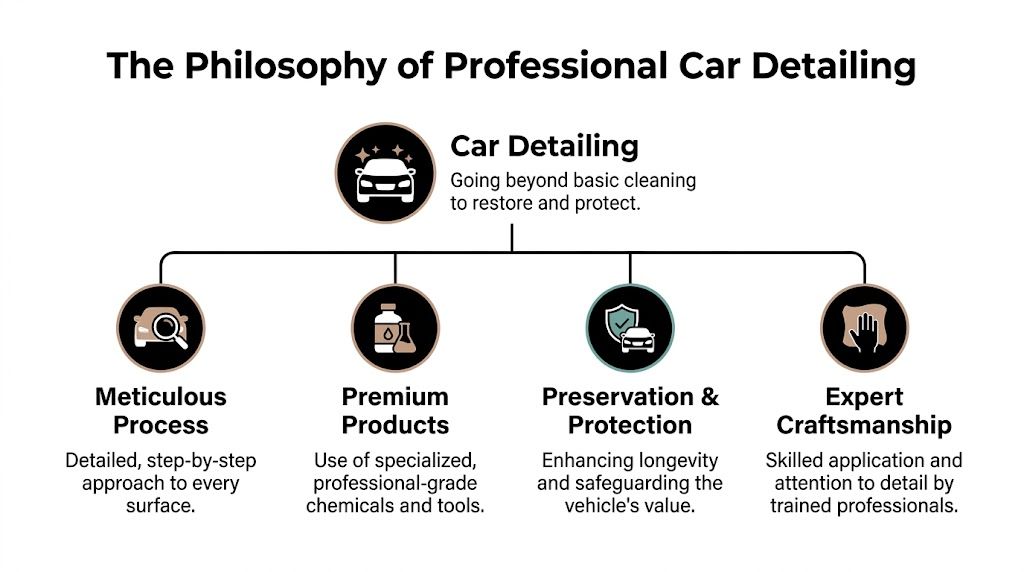
Every vehicle has surfaces that collect contamination, show wear, and need protection. Paint, glass, wheels, leather, plastics, fabric, carpet, trim. A professional detail treats each one differently because each one ages differently.
The three-part logic behind real detailing
Most quality detail work follows a pattern.
Decontaminate
First, the detailer removes what doesn’t belong on the vehicle. That includes road film, stuck-on grime, brake dust, salt residue, and bonded contamination on paint and glass.Correct
Once the surface is properly cleaned, the next job is fixing defects where possible. That might mean reducing swirl marks, improving gloss, cleaning stained upholstery, or restoring neglected trim.Protect
After the surface is clean and corrected, you lock in the result with a protective layer. That could be a sealant, coating, film, conditioner, or dressing depending on the area.
That’s why a detail lasts longer than a wash. The wash is just one small part of the process.
Why a tunnel wash can’t do the same job
A quick wash is built for speed. It’s useful when the goal is to knock dirt off the vehicle.
Detailing is built for precision. A detailer uses different chemicals for paint, interior plastics, leather, fabric, wheels, and glass. They use tools like microfiber towels, brushes, steam, polishers, applicators, and extraction equipment because one product and one mitt can’t safely solve every problem.
Here’s where people get confused. If the car looks shiny after a wash, it’s easy to assume the job is done. But shine can hide a lot. Paint can still feel gritty. Seats can still hold odours. Salt can still sit in carpets and seams.
Good detailing is craftsmanship. You’re not paying for bubbles. You’re paying for method, judgement, and restraint.
The real value
A detailed car feels different because every touch point improves. The steering wheel feels clean instead of slick. The paint feels smooth instead of dusty. The glass is clearer at night. The cabin stops carrying that stale winter smell.
That’s the reason enthusiasts care about detailing, and it’s also why practical owners care. It makes the car easier to live with and easier to preserve.
A Menu of Detailing Services Explained
When people search car detailing Pickering, they usually see a long list of services and package names. That can get confusing fast, especially if you’ve never booked one before. The best way to make sense of it is to think in terms of the problem you want solved.
Interior detailing
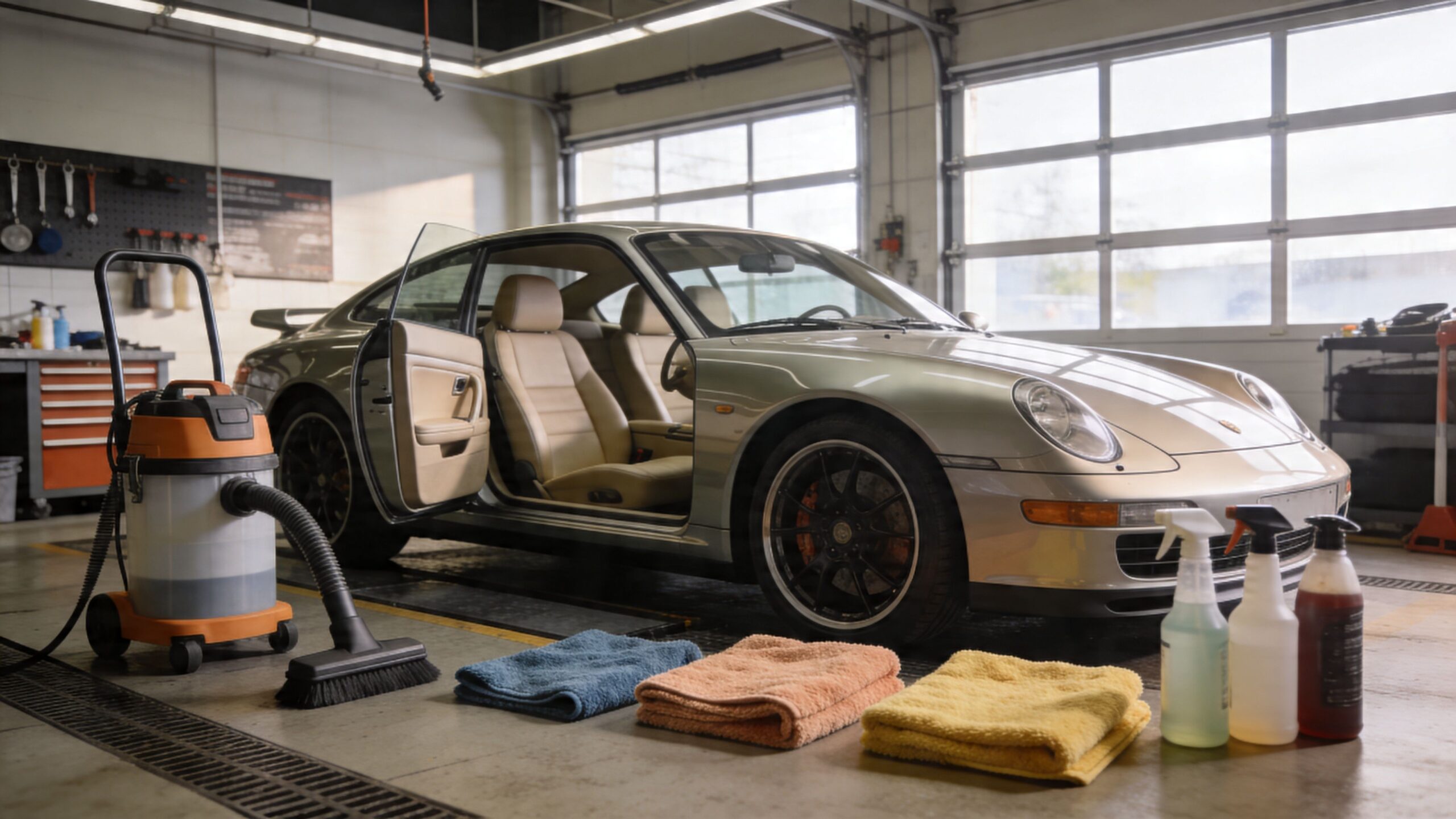
Interior detailing is for the part of the car you sit in and touch every day. That includes carpets, cloth seats, leather, plastics, vents, cupholders, trim, door panels, and headliners.
Professional interior work goes well beyond vacuuming. According to Pickering Honda’s detailing information, interior detailing can use steam cleaning at 130-160°F to achieve a 99.9% pathogen elimination rate, along with enzymatic shampoos that break down organic stains. That matters in Ontario because winter brings salt residue, moisture, and the kind of grime that gets ground into fabric and mats.
Here’s what that means in plain language:
- Steam cleaning helps loosen dirt from tight areas like seams, switches, and textured plastic.
- Enzymatic shampooing is useful when stains come from food, spills, or other organic messes.
- Leather conditioning helps keep seats from drying out and feeling stiff.
- Salt removal targets the white crust and embedded residue that ordinary vacuuming leaves behind.
A clean interior isn’t just cosmetic. It makes the vehicle more comfortable and much easier to maintain week to week.
Exterior detailing
Exterior detailing focuses on everything the weather attacks first. Paint, wheels, tires, trim, glass, and jambs all fall into this category.
A proper exterior detail usually includes a careful wash, surface decontamination, wheel cleaning, drying with safe towels, and some form of protection. On vehicles that feel rough to the touch after washing, the issue is usually bonded contamination. That’s why detailers often use clay or similar decontamination methods before adding protection.
Common exterior problems this service addresses include:
- Rough paint: Often caused by embedded contaminants.
- Dull finish: Usually road film, oxidation, or old residue sitting on the surface.
- Dirty wheel faces and barrels: Brake dust builds quickly and can bake on.
- Cloudy glass: Exterior contamination affects visibility more than many owners realise.
If you’re also thinking about appearance upgrades, it helps to understand how tint levels affect comfort, privacy, and glare. This guide on levels of window tinting is a useful companion when you’re planning protection and finish work together.
Full detail packages
A full detail combines interior and exterior work into one larger service. This is the package many new owners book after winter, before selling a vehicle, or right after buying a used one.
Think of a full detail like resetting the car. It won’t make every older vehicle brand new, but it can bring the condition much closer to what the owner expected when they first got it.
A full package is often the right choice when:
- The cabin and paint both need help
- Winter residue has built up inside and out
- You want a fresh baseline before adding coatings or film
- You’ve just bought a vehicle and want to start ownership properly
If you don’t know what to book, describe the problems, not the package name. A good detailer can match the service to the condition.
Advanced Protection Ceramic Coatings and PPF
Routine detailing cleans and refreshes a vehicle. Protection services are different. They’re about reducing future damage, not just removing current dirt.
For new cars especially, smart owners distinguish appearance from preservation. If detailing is maintenance, advanced protection is strategy.
Paint correction first
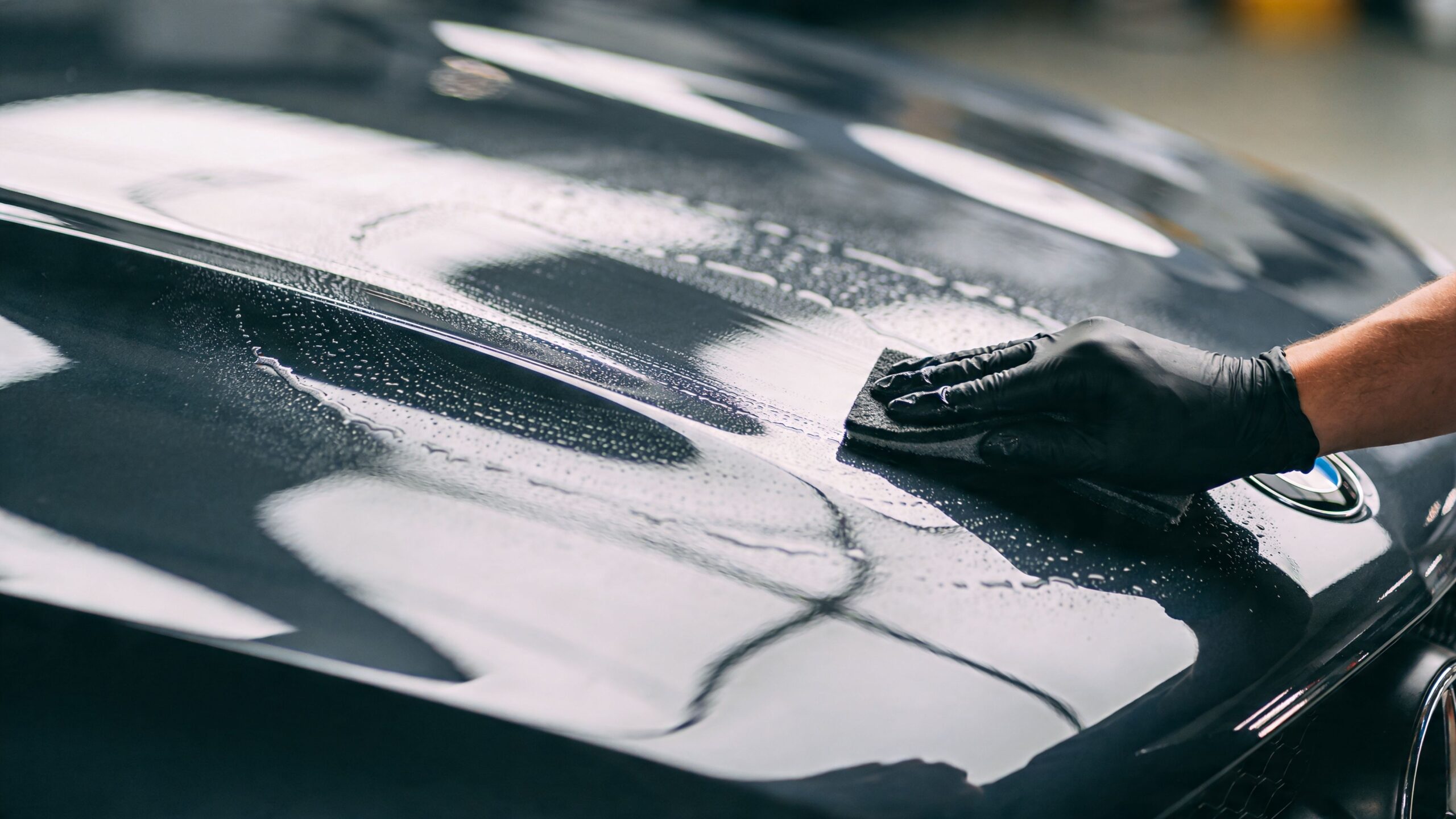
Many owners want a coating right away because they’ve heard it adds gloss and makes washing easier. That part is true. What gets missed is the prep.
If the paint already has swirl marks, haze, or minor defects, sealing it too soon just locks those flaws underneath the new protection. That’s why paint correction matters first. According to Pickering Volkswagen’s detailing package information, paint correction uses a multi-step compound and polish process to fix microscopic imperfections before protection goes on.
It's similar to applying a screen protector to a phone. You clean and smooth the surface first. Otherwise, you trap dust and flaws under the layer that was supposed to help.
Ceramic coating in plain language
A ceramic coating is a protective layer that bonds to the vehicle’s clear coat. The same Pickering Volkswagen source notes that this bond creates a 9H hardness rating and can offer 2-5 years of protection against environmental damage such as road salt.
For a first-time owner, the practical benefits are easier to understand than the chemistry:
- Water behaviour improves so grime doesn’t cling as easily.
- Cleaning gets easier because the surface is slicker.
- Gloss tends to hold better when the paint is maintained properly.
- Seasonal contamination becomes less stubborn than on unprotected paint.
What a ceramic coating does not do is make the car invincible. It won’t stop a rock chip the same way film will. It helps against contamination and maintenance headaches. It isn’t armour plating.
Where PPF fits
Paint protection film, or PPF, enters the picture. If ceramic coating is like a durable rain jacket for your paint, PPF is like a screen protector for your car’s front end. It’s there to take the physical abuse that would otherwise hit the paint directly.
That matters most on high-impact zones such as:
- Front bumper
- Leading edge of the hood
- Fenders
- Mirror caps
- Rocker panels
Drivers comparing options can get a clearer breakdown from this guide to the best car paint protection. One local option in the Whitby area is Carmedics Autowerks Inc, which offers PPF installation along with tinting and related protection services.
Ceramic coating helps with cleaning and chemical exposure. PPF helps with physical impact. They solve different problems.
For many Pickering drivers, the strongest setup is not choosing one against the other. It’s deciding where each one makes sense.
The Pickering Winter Detailing Strategy
If you own a vehicle in Pickering, winter is the season that decides how the paint, trim, and underbody will look later.
Generic detailing advice typically falls short. What works in a mild climate doesn’t fully match Durham Region driving. Pickering’s average January temperature is -5.6°C, and the area gets heavy snowfall, which leads to regular road salt use. An Ontario Auto Association report cited in this regional source says salt can accelerate paint degradation by up to 30% in these conditions, making winter-specific care a real priority for local drivers, as noted in this Pickering winter detailing discussion.
Before winter starts
The best winter strategy begins before the roads turn white.
If the vehicle is new, or still in very good shape, this is when protective work pays off most. Clean paint accepts protection better. It’s also much easier to guard a healthy finish than to revive a neglected one in spring.
A sensible pre-winter plan often includes:
- A thorough exterior decontamination so protection sits on a clean surface
- Protection for high-impact paint areas where slush, grit, and salt hit first
- Interior prep to make mat and carpet clean-up easier later
- Attention to lower panels and wheel areas because that’s where winter grime collects fast
For owners thinking beyond cosmetic care, rust prevention matters too. This guide on the best rust prevention for cars is worth reviewing alongside your winter detailing plan.
During the season
Winter care isn’t about chasing shine every week. It’s about controlling buildup.
The biggest mistake I see is letting salt stay on the vehicle because it’s too cold to bother. Salt doesn’t need the car to look filthy before it starts causing trouble. It hides in wheel wells, lower doors, seams, and the undercarriage.
A practical winter rhythm is simple:
- Rinse salt off whenever conditions allow
- Keep floor mats and carpets from staying damp
- Clean the lower body panels more often than the roof and glass
- Don’t wait for spring if the vehicle already feels gritty and neglected
Winter detailing in Pickering isn’t about vanity. It’s preventative maintenance with better lighting.
After winter ends
Spring is when you undo what the season left behind. That usually means a deeper interior clean, careful washing of trapped salt residue, and inspection of vulnerable paint areas.
Owners who combine pre-winter protection with proper spring cleanup usually have a much easier time preserving the finish over the long term.
Choosing Your Pickering Detailing Professional
Once you understand what detailing involves, choosing the right shop gets easier. You’re no longer shopping by package name alone. You’re looking for process, honesty, and fit.
A good detailer should be able to explain what your vehicle needs in plain language. If they jump straight to the most expensive package without asking about use, condition, or goals, that’s a warning sign.
What to ask before booking
Use this quick checklist when comparing providers in the Pickering area.
- Ask how they inspect the vehicle: A thoughtful detail starts with condition, not assumptions.
- Ask what products and tools they use: You want surface-specific chemicals and proper tools, not one cleaner for everything.
- Ask how they handle winter issues: Salt, carpet staining, and lower-panel contamination should be familiar topics in Durham Region.
- Ask to see real work: Before-and-after examples help you judge their standard.
- Ask what isn’t included: Clear boundaries are a sign of a professional service, not a weakness.
If you want a broader vehicle-care relationship and not only cosmetic work, it can also help to know whether the business connects detailing with repair and protection services. Some owners prefer that all of their vehicle needs are handled close to home, and a nearby mechanic in Whitby can be part of that planning.
Typical Car Detailing Packages in Pickering
| Service Tier | Typical Inclusions | Best For | Estimated Price Range |
|---|---|---|---|
| Basic | Light interior clean or simple exterior refresh | Regular upkeep on a fairly clean vehicle | $59.99 and up |
| Mid-range | More complete interior and exterior service, deeper cleaning, added protection | Vehicles with visible buildup from regular use | Varies by vehicle and package |
| Advanced | Paint correction, intensive restoration, larger-vehicle packages | Owners chasing major improvement or prep for protection | Over $499.99 |
What a strong detailer sounds like
They won’t promise magic. They’ll tell you what can be improved, what can only be reduced, and what should be protected before it gets worse.
That’s the kind of answer you want, especially if the vehicle is new and you’re trying to keep it that way.
Your Next Step to a Flawless Vehicle
A proper detail does more than make a car look sharp for the weekend. It helps protect the surfaces you paid for, keeps winter damage from getting ahead of you, and makes everyday driving feel better.
That matters even more in Pickering, where salt, slush, parking lot grime, and constant use can age a vehicle faster than many new owners expect. If you’ve been putting off the work, start with the areas causing the most trouble now, then build a protection plan from there.
If you want to explore local services for detailing, tint, paint protection film, or related vehicle care, visit Carmedics Autowerks Whitby and see whether their service mix fits what your vehicle needs.
Frequently Asked Questions About Car Detailing
How much does car detailing cost in Pickering
Prices vary by vehicle size, condition, and service level. In the Pickering area, packages can range from $59.99 for a basic clean to over $499.99 for advanced services like paint correction on larger vehicles, according to Detail Garage Pickering market information.
Is mobile detailing common in Pickering
Yes. Mobile detailing is a popular option locally, and some operators in the region have served over 2000 clients, according to the same Pickering market source above. It can be convenient if your schedule is packed or you’d rather not drop the vehicle off.
Should I choose mobile or shop-based service in winter
In warmer months, both can work well depending on the provider. In winter, shop-based service often gives the detailer a more controlled environment for deep cleaning, drying, and protection work. If your main issue is salt removal or interior moisture, controlled indoor conditions can make the job more thorough.
What if my vehicle is new
New vehicles still benefit from detailing because “new” doesn’t mean “protected.” Starting early is often easier than trying to reverse neglect later.
If you’re ready to protect your vehicle instead of just washing it, book a visit with Carmedics Autowerks Inc. They serve Whitby-area drivers with auto repair, window tinting, PPF installation, collision repair, and related vehicle care that helps keep your car looking right and staying protected.