


A lot of Whitby drivers start looking into a remote starter at the same moment. It is dark, the driveway is frozen, the windshield is glazed over, and the cabin feels like a freezer. You stand at the door with keys in hand and think, “How hard can a remote starter for cars installation be?”
That question is fair. The answer is not always simple.
On an older keyed vehicle with straightforward wiring, the job can be manageable for someone who already knows how to read diagrams, test circuits properly, solder cleanly, and reassemble a dash without damaging clips or trim. On a newer SUV with push-button start, factory immobilizer logic, and multiple networked control modules, the same job can turn into an electrical headache fast.
A good remote starter is one of the most useful upgrades you can add to a daily driver in Ontario. A bad installation is one of the easiest ways to create strange no-start issues, battery drain, warning lights, intermittent accessory faults, or safety problems that only show up when winter gets serious.
Why a Remote Starter Is Your Next Favourite Mod
January in Durham Region has a way of making even a short commute feel hostile. The seat is stiff with cold. The steering wheel bites your hands. Defrost takes too long when you are already running late. A remote starter changes that routine before you even step outside.
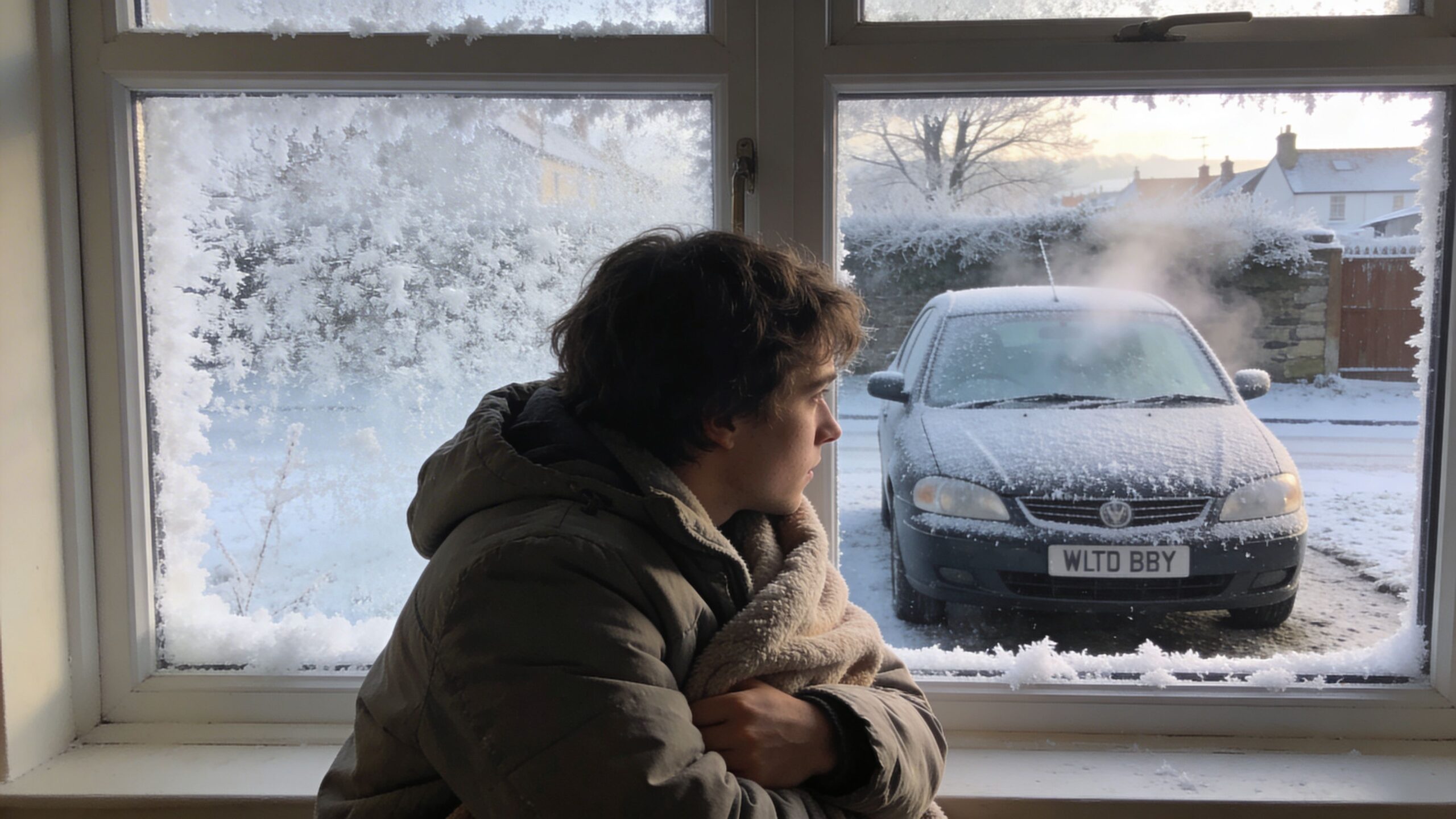
In cold climates, this is not a gimmick. It is a practical upgrade that drivers use. In Quebec, about 10% of light vehicles had a remote car starter in 2006, compared with 1 to 4% in other Canadian regions, and daily usage reached 57.2% among frequent users in winter according to the study published at the National Library of Medicine. That pattern makes sense to anyone who lives through Ontario winters.
Comfort is only the start
Many drivers first want a remote starter for one reason. They want the cabin warm before they get in. That is still the biggest draw.
The secondary benefits matter too:
- Glass clears earlier: Defrost starts working before you are in the seat scraping blindly.
- Cabin electronics wake up normally: Seats, wheel heaters, and climate systems can come online as intended.
- Daily use gets easier: School runs, early work starts, and snowy grocery trips become less irritating.
Some systems also tie into lock and unlock functions, trunk release, and security features depending on the vehicle and the selected module. If you are also thinking about theft prevention, it helps to understand how remote start and security can overlap with anti-theft devices for cars and insurance considerations.
Why this mod keeps growing
Modern vehicles have become more electronic, not less. That changes the installation, but it also makes integrated upgrades more attractive. If you like keeping an eye on where vehicle technology is heading beyond simple accessories, the broader automotive market is useful context for understanding how features and manufacturing trends continue to shape aftermarket demand.
A remote starter earns its value on the worst mornings, not the mild ones. That is why drivers keep coming back to it year after year.
A remote starter for cars installation makes sense when it is matched correctly to the vehicle and installed with respect for the factory systems already in place. This understanding is key for informed decision-making.
Pre-Installation Assessment Is Your Car a DIY Candidate
The first mistake most DIY attempts make is buying parts before evaluating the vehicle. The car decides how hard this job will be. Not the kit box, not a generic video, and not a forum post from someone working on a different trim level.
Start with the vehicle itself
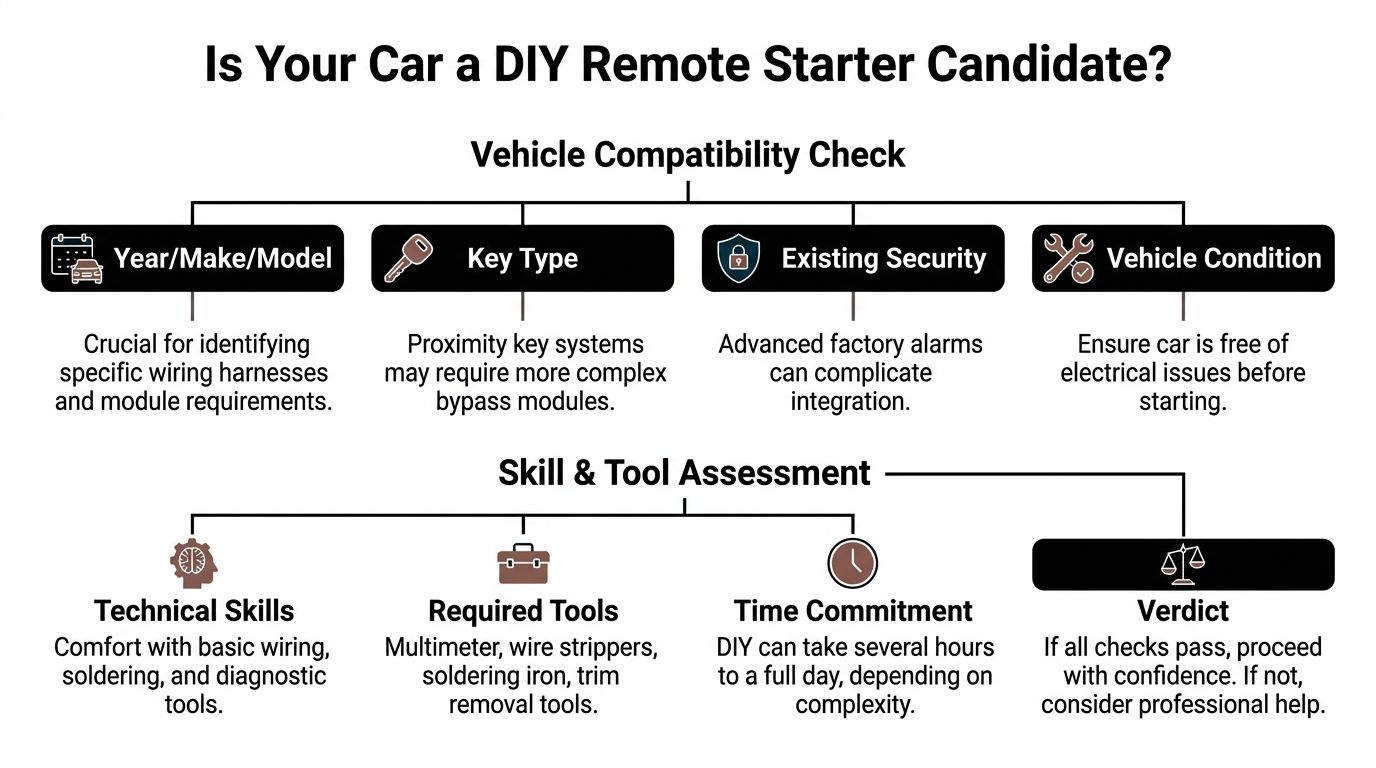
A proper pre-check should answer four questions before you remove a single panel.
| Checkpoint | Why it matters |
|---|---|
| Year, make, and model | Wiring locations, firmware support, and bypass requirements change by platform |
| Keyed or push-button start | Push-button systems require more programming and tighter module integration |
| Factory security equipment | Immobilizers, alarms, and proximity functions can complicate startup logic |
| Existing electrical health | A weak battery, accessory draw, or old repair work can make diagnosis messy |
If the car already has electrical gremlins, stop there. A remote starter should never be used to “work around” weak starting, low battery reserve, intermittent crank issues, or dash warning lights. Fix those first.
That is also a good time to be realistic about the battery. If the vehicle has slow cranking or winter starting issues now, a remote start system will not solve the underlying problem. It may expose it sooner. If you are unsure whether your battery is still healthy, reviewing car battery replacement cost can help frame the bigger maintenance picture before adding any accessory load.
Key start is simpler than push-button
Older keyed ignitions are the friendliest candidates for DIY work. The ignition, accessory, starter, and power wires are easier to identify and verify.
Push-button vehicles add another layer. You are not just triggering a crank signal. You are working around start authorization logic, brake input logic, network communication, and immobilizer behaviour. That does not make them impossible. It does make them less forgiving.
Manual transmission vehicles also deserve extra caution. A remote start on a manual requires very specific safety logic. If that logic is wrong, the car can attempt to move when started. Anyone considering DIY on a manual needs to know exactly how that reservation mode and shutdown sequence work for the chosen system.
Tools are not optional extras
A remote starter for cars installation is not a “basic hand tools only” job. The quality of the install depends heavily on the gear in your toolbox.
A useful DIY setup includes:
- A proper multimeter: You need to verify wires under load, not guess by colour.
- Wire strippers and flush cutters: Clean prep matters.
- A soldering iron and heat shrink: Reliable joints matter under vibration and temperature swings.
- Trim tools: Dash plastics scratch and crack easily if you pry with the wrong tool.
- Vehicle-specific wiring data: Generic charts are not enough.
- A laptop or programmer if required: Many modules need firmware selection or bypass setup.
If you do not already own and know how to use these tools, the “cheap DIY route” gets expensive quickly.
Parts selection is where many installs go sideways
Buying the wrong remote start brain is frustrating. Buying the right brain with the wrong bypass module is worse.
You need a kit that matches:
- the vehicle’s start type
- the immobilizer strategy
- the communication protocol
- the desired features, such as lock control, rear defrost activation, or runtime settings
One common trap is assuming a T-harness means the whole job is plug-and-play. It seldom does. Even when a harness reduces cutting, the installer still needs to disassemble carefully, route components properly, confirm the circuit behaviour, and complete programming.
If you cannot identify the exact module and firmware path for your vehicle before ordering, you are not ready to install yet.
The DIY checklist
Some readers can do this job well. Most should pause and assess themselves with the same candor they would use on brake work or electrical diagnostics.
A fair self-check looks like this:
- You have wiring experience: Not household wiring. Automotive low-voltage work.
- You can read a multimeter confidently: You know how to test for constant power, ignition, accessory, and trigger signals.
- You solder neatly: Not bulky joints wrapped in tape.
- You are patient with trim removal: Broken clips create rattles and customer complaints for a reason.
- You can troubleshoot calmly: If the car does not start after reassembly, you need a process, not panic.
If that list feels comfortable, your vehicle may be a DIY candidate. If two or three items on that list feel shaky, there is your answer.
The DIY Installation A Wiring and Module Mounting Overview
This is the part online tutorials often oversimplify. They show a clean dash, a few labelled wires, and a finished remote. Real installations are tighter, messier, and far less forgiving.
Disconnect power first
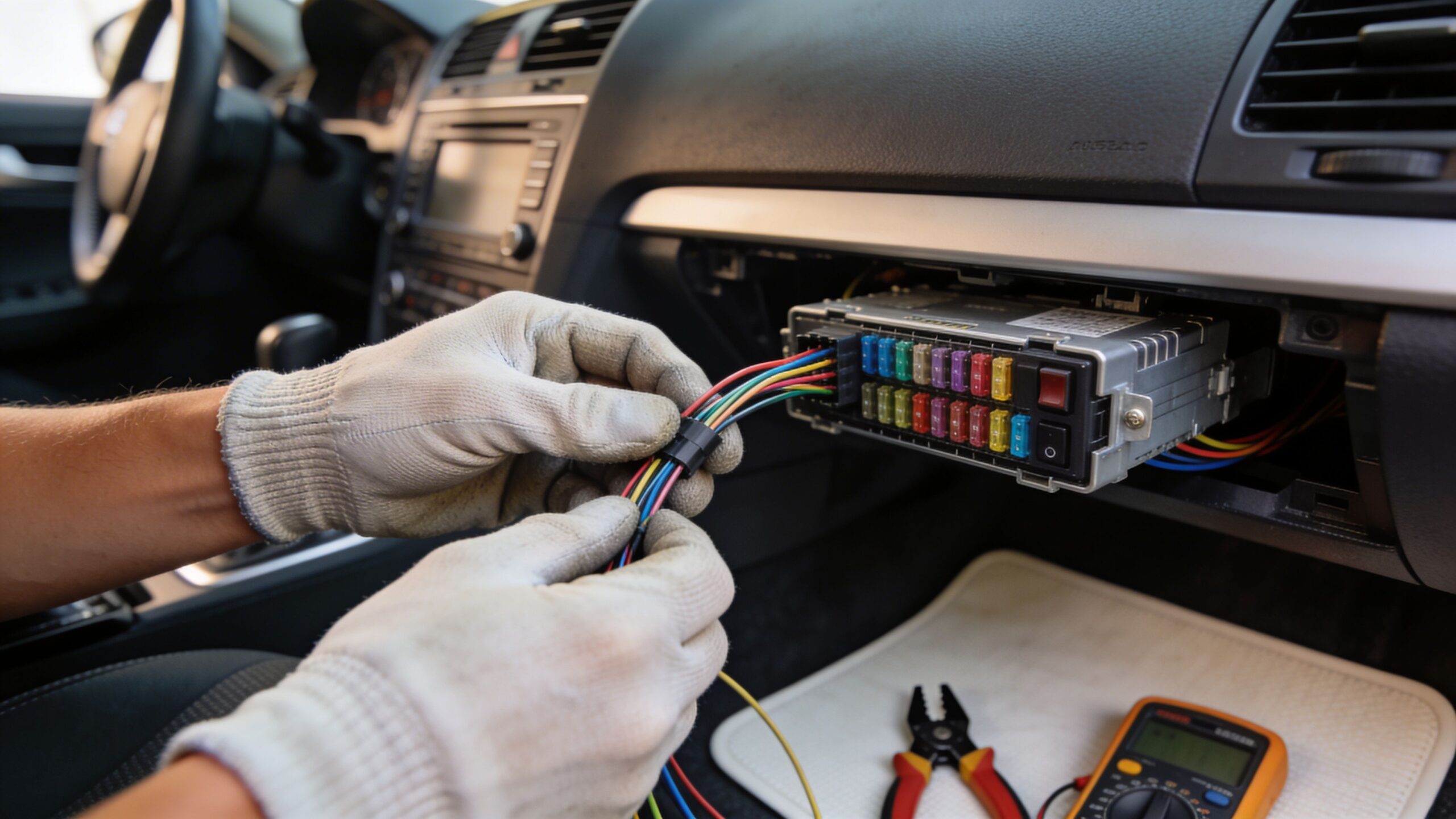
Before touching the harness, disconnect the negative battery terminal. That is not cautious overkill. It is a protection step.
According to the installation guidance at Carmedics Autowerks, expert remote starter installation prioritises precise soldering to achieve 95% first-time success rates on modern vehicles, while 40% of DIY attempts are affected by CAN-bus errors. The same guidance notes that disconnecting the battery negative terminal is a critical step often skipped in failed installs, and that soldering with a multimeter-verified approach reduces vibration failure by 70% compared to crimp connectors.
Access matters as much as wiring
Lower dash panels need to come off cleanly. Knee panels, steering column trim, under-dash shrouds, and side covers often overlap. Rushing this part creates broken tabs, squeaks, and poor reassembly.
Once access is open, the work becomes methodical:
- locate the ignition harness
- identify safe module mounting space
- plan antenna placement
- route wiring away from moving parts
- confirm every wire by testing, not colour alone
Verify wires with a meter, not a guess
Factory wire colours can vary by trim, production run, and market. Never rely on a colour chart by itself.
The critical circuits include:
- Constant 12V: always live
- Accessory: active in the appropriate key position
- Ignition: remains powered during run
- Starter: active during crank
- Brake input, hood pin, tach or data signals: depending on the system design
A multimeter tells you what the circuit is doing. That matters because a wrong ignition wire can create a no-start, a retained accessory issue, or an intermittent shutdown that only appears after everything is reassembled.
Soldering beats quick taps
There is a reason seasoned installers are picky about connections. Under-dash wiring lives in a harsh environment. It sees vibration, temperature changes, and constant movement from road use.
Crimp taps and quick-connects save time in the moment, but they are common failure points later. A properly prepared splice, soldered cleanly and sealed with heat shrink, holds up far better.
A good connection should be:
- mechanically secure before solder is applied
- fully wetted, not blobbed on the surface
- insulated with heat shrink, not just electrical tape
- positioned so strain is not pulling directly on the joint
If a splice looks ugly under the bench light, it will usually behave badly in winter.
Module mounting is not an afterthought
The remote starter brain should be mounted high under the dash, secure, and clear of pedal travel, steering components, HVAC doors, and sharp metal edges. Loose modules create noise, wear through insulation, and make future diagnosis miserable.
The antenna also matters. Poor placement can weaken range or create inconsistent communication. Keep the installation tidy and intentional.
A professional remote starter for cars installation also plans for serviceability. Future access to fuses, OBD ports, and factory connectors still matters. Burying the module in a way that blocks diagnostics is poor practice.
Hood pin and safety inputs need respect
The hood pin is one of the most overlooked parts of the whole job. It is also one of the most important. If the vehicle can remote start while someone is working under the hood, the installation is unsafe.
Install the hood pin securely. Confirm the trigger works every time. Do not assume the bracket location is fine because it “looks close enough.” Snow, slush, corrosion, and hood alignment can all affect consistency.
The same goes for brake shutdown and any required neutral-safety logic. These are not convenience features. They are mandatory protections.
Know when electrical repair comes first
Sometimes the remote starter is not the problem. The vehicle already has poor grounds, previous stereo wiring damage, hacked alarm wiring, or battery draw from another accessory. In those cases, installation should stop until the underlying fault is sorted out. If the dash wiring already looks suspect, proper electrical repair comes before adding another module into the system.
A clean install is not about speed. It is about discipline. The best-looking jobs are the ones where the installer slowed down, tested everything twice, and treated every wire like it mattered.
System Programming and Final Checks
The wiring can be perfect and the system can still fail if programming is wrong. This is a common point where many DIY installs stall out. The car does not care that the harness looks tidy. It only responds if the remote starter, bypass logic, and factory security system are all speaking the same language.
Bypass programming is the critical gatekeeper
Most modern vehicles require the remote starter to work with an immobilizer bypass module. That module has to learn the vehicle correctly.
On some setups, the process is straightforward. On others, the installer has to flash the module first, select the right firmware, connect it in the proper sequence, and then complete a key-learning or data-learning routine in the vehicle. If that sequence is wrong, the engine may crank and die, fail to crank, or trigger security warnings.
Post-2018 vehicles often demand more care because the programming side is tighter and start logic is more integrated into the vehicle’s existing electronics.
Feature setup matters
After base programming, the system still needs to be configured for how the owner will use it.
Typical options include:
- Runtime setting: Long enough to be useful, not excessive
- Lock and unlock behaviour: Integrated if the system and vehicle support it
- Cold-weather automation: Used carefully and only when appropriate
- Diesel or special start delay logic: If applicable to the vehicle
- Tach or voltage-based starting mode: Depending on the system and platform
Generic installs often fall short at this stage. One vehicle might behave better on data-controlled logic. Another may want a confirmed tach signal. The chosen setup should match the vehicle, not installer habit.
Final checks should be deliberate
The first successful remote start is not the finish line. It is the beginning of testing.
Run through the system like a technician, not like a shopper trying the buttons. Check:
- Hood pin shutdown: Open the hood and confirm remote start is disabled.
- Brake shutdown: Once running by remote start, press the brake and confirm the expected response.
- Takeover sequence: Verify the transition from remote-started engine to normal driving works properly.
- Door lock integration: Make sure lock and unlock commands behave correctly.
- Dash behaviour: Watch for warning lights, retained accessories, or odd messages.
- Range and signal consistency: Test the remote where the owner will really use it.
A remote starter that only works in the bay is not finished. It has to work in a snowy driveway, after a cold soak, with the vehicle locked and the hood shut.
Cold weather reveals weak installs
Winter is the true test. A system may seem fine indoors or on a mild day, then expose a weak battery, poor tach learning, marginal splice, or bad grounding point during a cold morning start.
That is why final checks should include repeated starts, full shutdown verification, and rechecking every panel and harness after the system proves stable. If the installer skips that discipline, the owner discovers the mistake when they need the system most.
Safety Legal Considerations and Troubleshooting
A remote starter should make the vehicle easier to live with. It should not create legal trouble, failed inspections, or unsafe behaviour under the hood.
Legal compliance in Ontario is not optional
In Ontario, remote starter installations must comply with the Motor Vehicle Safety Act. According to the information published by Quality Tire, non-compliant aftermarket installs have been noted as increasing, can lead to significant fines or vehicle impoundment, and issues with mandatory OBD-II programming on post-2018 vehicles contribute to a substantial number of aftermarket mods failing MTO e-testing.
That matters for anyone planning to splice into security-related systems casually. A remote starter cannot interfere with safety equipment or create conditions that make the vehicle fail certification.
The safety devices that deserve the most attention
The hood pin is at the top of the list. If the hood is open, the vehicle must not remote start. That protects anyone servicing the engine bay.
Other critical points include:
- Brake shutdown input: Confirms the system reacts properly when the driver enters.
- Neutral or park logic: Prevents unsafe starting conditions.
- Immobilizer integration: Must be handled correctly, not bypassed in a crude or permanent way.
- Wire routing and fuse protection: Prevents shorts, abrasion, and long-term failures.
A lot of drivers thinking about remote start are also thinking about theft prevention. The relationship between factory immobilizers, aftermarket start logic, and add-on security should be considered together, especially when choosing an anti-theft device for car protection.
Troubleshooting common failures
When a fresh installation misbehaves, the symptoms point somewhere specific. A calm process beats random rewiring.
No crank no start
Start with the basics.
- Battery reconnected properly: Confirm the negative terminal is tight and stable.
- Main power and ground to the module: Verify both with a meter.
- Ignition and starter outputs: Confirm the module is providing the expected signal.
- Programming status: An unlearned bypass often looks like a wiring problem at first.
Cranks but shuts down right away
This points to start verification or security logic.
Look at the tach or data setup. If the system cannot confirm engine run status correctly, it may shut the vehicle down immediately. Incorrect bypass learning can produce the same symptom.
Remote works badly or inconsistently
Check antenna placement, wiring strain, and module mounting first. Then review whether the system is operating in an environment with signal interference. Intermittent range complaints are not always a bad remote. Sometimes they come from poor placement or a compromised install.
Accessories behave strangely after install
If the blower motor, radio, dash illumination, or warning indicators act oddly, revisit accessory and ignition wire identification. One wrong connection can create side effects that only appear in certain key positions.
The most expensive troubleshooting jobs start with one wrong wire that was “close enough” during installation.
Know when to stop diagnosing alone
If the vehicle has a security warning, repeated no-starts, communication faults, or unexplained battery drain after installation, continuing to guess can make the problem worse. At that stage, proper diagnosis matters more than persistence.
A safe installation is not just one that starts the engine. It is one that starts, shuts down, hands over to the driver properly, respects the factory safety systems, and stays compliant.
DIY vs Pro Installation The Final Verdict
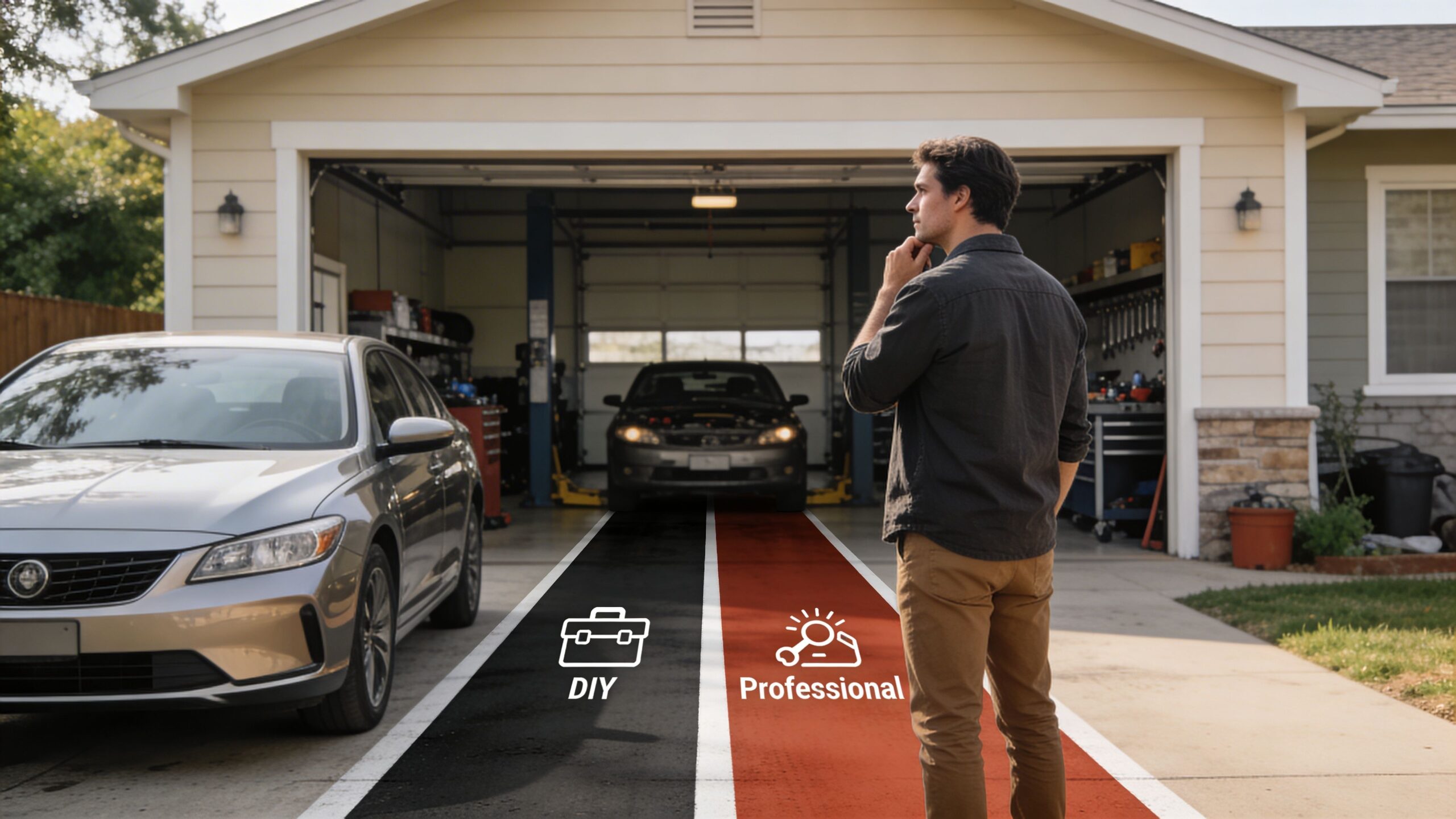
Many individuals do not ask whether a remote starter can be installed at home. They ask whether it is worth doing at home on their vehicle, with their tools, on their timeline, and with their tolerance for risk.
DIY makes sense for a narrow group
If you already work comfortably with automotive wiring, know how to meter circuits, own proper soldering equipment, and understand module programming, a remote starter for cars installation can be a satisfying project.
That fits people who:
- have done alarm, stereo, or accessory wiring before
- know how to read vehicle-specific diagrams
- can diagnose a no-start without guessing
- do not mind spending significant time on setup, testing, and reassembly
For everyone else, the hidden cost of DIY is not just tools or time. It is the possibility of introducing a fault that takes far longer to diagnose than the original install would have taken.
Pro installation buys more than labour
Professional installation means fitment, wiring quality, programming, and post-install testing are handled together. It also means the installer has likely seen the platform before and knows where the common mistakes happen.
That matters more on newer push-button vehicles, integrated security systems, and models with known cold-weather sensitivity. If you are comparing your options, reviewing the cost to install autostart can help frame the decision against the actual effort and exposure involved in DIY.
Southern Ontario conditions punish weak installs
Southern Ontario conditions punish weak installs. In these conditions, theory meets winter. According to the cited data discussed in the video reference, a notable portion of remote starters in Southern Ontario have been observed to fail within 12 months due to battery drain from parasitic loads, push-button start vehicles can experience a higher malfunction rate near urban RF zones, and professional services in Durham Region often see a high callback rate for fixing DIY-related issues.
Those are not abstract workshop problems. They are significant ownership problems. The car starts fine for a week, then the battery weakens. The remote works in one parking lot but not another. The vehicle starts, then refuses takeover. The owner ends up paying for diagnosis after already paying for parts.
The practical answer
If your vehicle is older, simple, and you have proven electrical skill, DIY may be reasonable.
If your vehicle is newer, financed, push-button start, under warranty, or loaded with factory electronics, professional installation is the smarter call. In Whitby, Carmedics Autowerks Inc is one local option for that type of work when the goal is a properly integrated remote starter rather than an experiment under the dash.
The right question is not “Can this be installed?” The right question is “How confident am I that I can install, program, test, and troubleshoot it without creating a bigger problem?”
A remote starter should add convenience every cold morning. If the installation takes away reliability, safety, or compliance, the upgrade missed the point.
If you want a clear answer on whether your vehicle is a good DIY candidate or better suited for professional service, contact Carmedics Autowerks Inc. We can help you sort out compatibility, explain the trade-offs clearly, and point you toward the safest next step for your car or SUV.