

A lot of Whitby drivers wash their vehicle when it looks bad, then forget about it when it looks clean again. That habit makes sense on a busy week, but it misses the true purpose of washing. A proper wash isn't just about shine. It's one of the main ways you remove the salt, grit, bug residue, bird droppings, and traffic film that slowly wear down paint, trim, wheels, and any protective layer sitting on top.
That matters more in Ontario than many owners realise. If you drive a newer SUV, a weekend car, or a daily that you want to keep looking sharp, your wash routine affects more than appearance. It affects how well wax, sealant, ceramic coatings, and paint protection film hold up over time. A bad wash can scratch a healthy finish. A good wash can preserve one.
Your Guide to Car Wash Options in Whitby
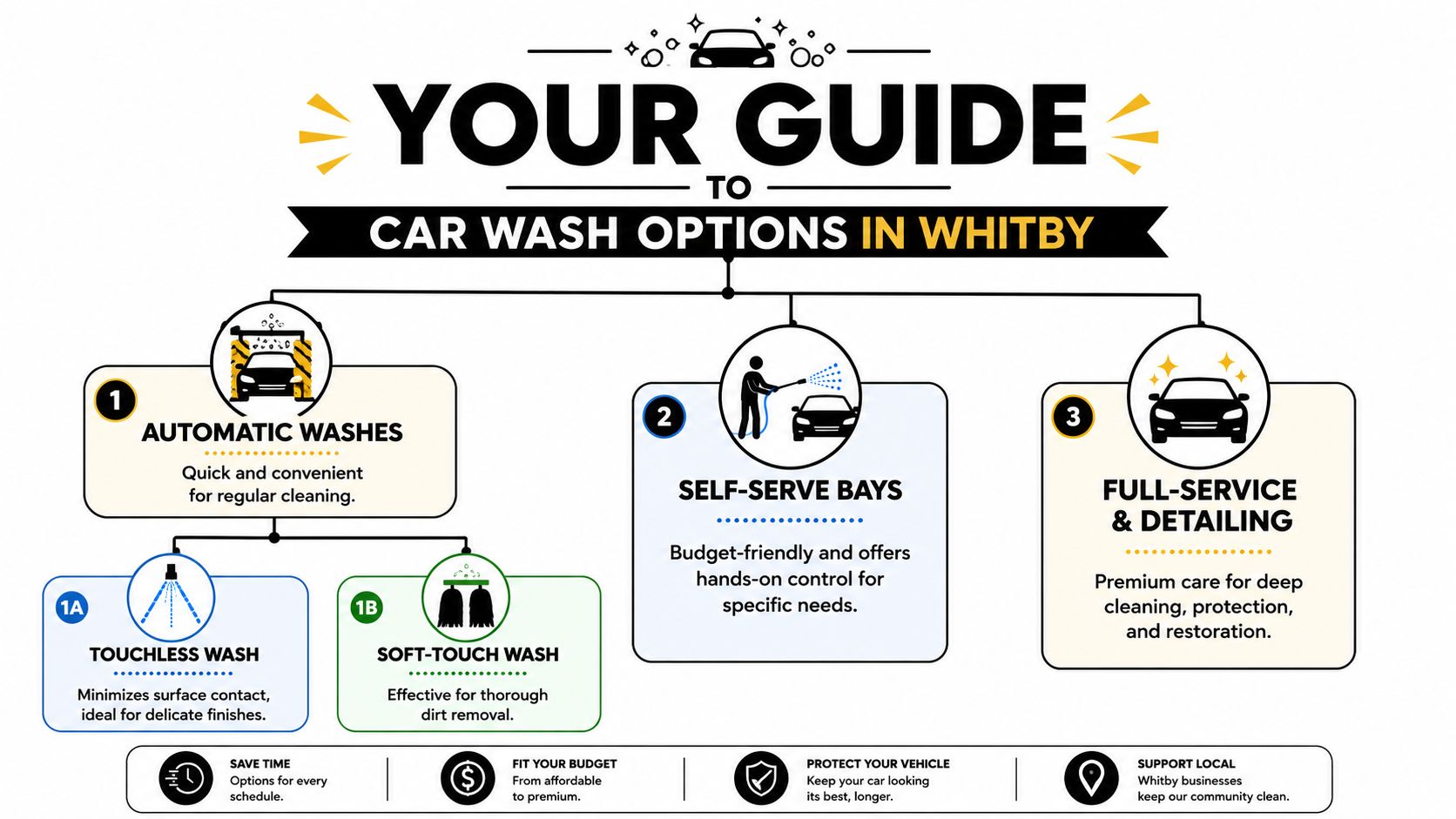
Whitby drivers usually choose between three wash styles. Self-serve bays, automatic washes, and full-service hand wash or detailing. Each one solves a different problem.
Ontario is a serious vehicle-care market. The Canadian car wash and auto detailing industry is projected to generate $1.7 billion in 2026, with Ontario at $617.2 million, or about 36% of the national total, according to IBISWorld's Canadian industry outlook. That tells you two things. Drivers here care about their vehicles, and there are plenty of options competing for your business.
Self-serve bays
A self-serve bay is the hands-on option. You control the pressure wand, the rinse time, and how much attention you give the lower panels, wheel wells, and mud-packed areas.
This works well when your vehicle needs targeted cleaning instead of a generic pass through a machine. It's especially useful after slushy commutes, cottage-road dust, or a week of highway grime. If you know where dirt collects on your own vehicle, a self-serve bay lets you focus on those spots first.
The downside is operator error. Too much pressure, poor wand distance, or using the bay brush on a dirty finish can mark the paint quickly.
Automatic washes
Automatic washes are built around speed and consistency. Most Whitby drivers will see two versions. Touchless uses chemical action and high-pressure water. Soft-touch uses physical contact from cloth or similar materials.
Think of touchless as a pressure rinse with detergents doing most of the heavy lifting. Think of soft-touch as a wash mitt that never gets tired, but only if the equipment is clean and maintained properly.
A fast wash is useful. A fast wash with poor technique is expensive once you correct the paint later.
Full-service hand wash and detailing
This is the precision option. A proper hand wash or detailing service can clean seams, emblems, wheel barrels, door jambs, and delicate finishes with far more control than an automatic system.
For owners who care about long-term finish quality, this is usually the best foundation. It also fits better into a broader maintenance plan that includes decontamination, protection, and periodic inspections. If you're trying to keep your vehicle in strong condition, pairing regular washing with a broader one-stop auto service in Whitby mindset makes more sense than treating washing as a separate chore.
Comparing Wash Methods Pros Cons and Costs
Not every wash method fails in the same way. Some leave grime behind. Some save time but add marring risk. Some are excellent for maintenance but poor for neglected vehicles.
Whitby car wash options at a glance
| Wash Type | Cost | Time | Paint Safety | Effectiveness |
|---|---|---|---|---|
| Self-serve bay | Lower | Moderate | Good if used properly | Strong for targeted grime |
| Automatic touchless | Moderate | Fast | Better for delicate finishes than contact systems | Fair to good on light to moderate dirt |
| Automatic soft-touch | Moderate | Fast | Depends heavily on maintenance and material cleanliness | Good on general road film |
| Hand wash or detailing | Higher | Longer | Best when proper wash media and drying methods are used | Best overall for thorough cleaning |
Where each method wins
A touchless automatic is often the safest machine option for vehicles with softer paint, fresh correction work, or sensitive black finishes. Since there's less direct contact, there's less chance of friction-based marring. The trade-off is simple. If your truck or SUV is carrying thick grime on the rear hatch, rocker panels, or front bumper, touchless may not fully remove it.
A soft-touch automatic often cleans better in one pass because physical contact removes film that water alone can't break loose. But contact only helps when the materials are clean and the system is maintained well. If not, you're rubbing whatever was left on the previous vehicle against your paint.
Water use and what it tells you
Good wash design also matters behind the scenes. The ICA's WaterSavers benchmark says modern systems should aim for no more than 40.0 gallons of freshwater per vehicle, and high-efficiency setups can use laser sensors and reclaim systems to reduce consumption by 15 to 20%, as outlined in the EPA WaterSense vehicle washing guidance.
That doesn't just matter for environmental reasons. It often signals a more modern operation. Equipment that meters water properly, adjusts to vehicle size, and is maintained well usually produces a more consistent wash experience too.
If you want a broader enthusiast-oriented comparison, SwiftJet's insights on car cleaning offer a useful outside perspective on where hand washing and machine washing each fit.
Practical rule: If your vehicle already has protection on it, choose the least aggressive method that still removes the contamination.
For owners focused on preserving gloss and avoiding correction work later, the bigger priority isn't just getting the car clean. It's keeping the surface healthy enough to hold protection, which is why understanding what protects automotive paint long term matters more than chasing the cheapest wash.
How Often to Wash Your Car in Ontario's Climate
In Whitby, the right wash schedule changes with the season. A clean car in July and a clean car in February are two very different things. Summer dirt is annoying. Winter contamination is destructive.
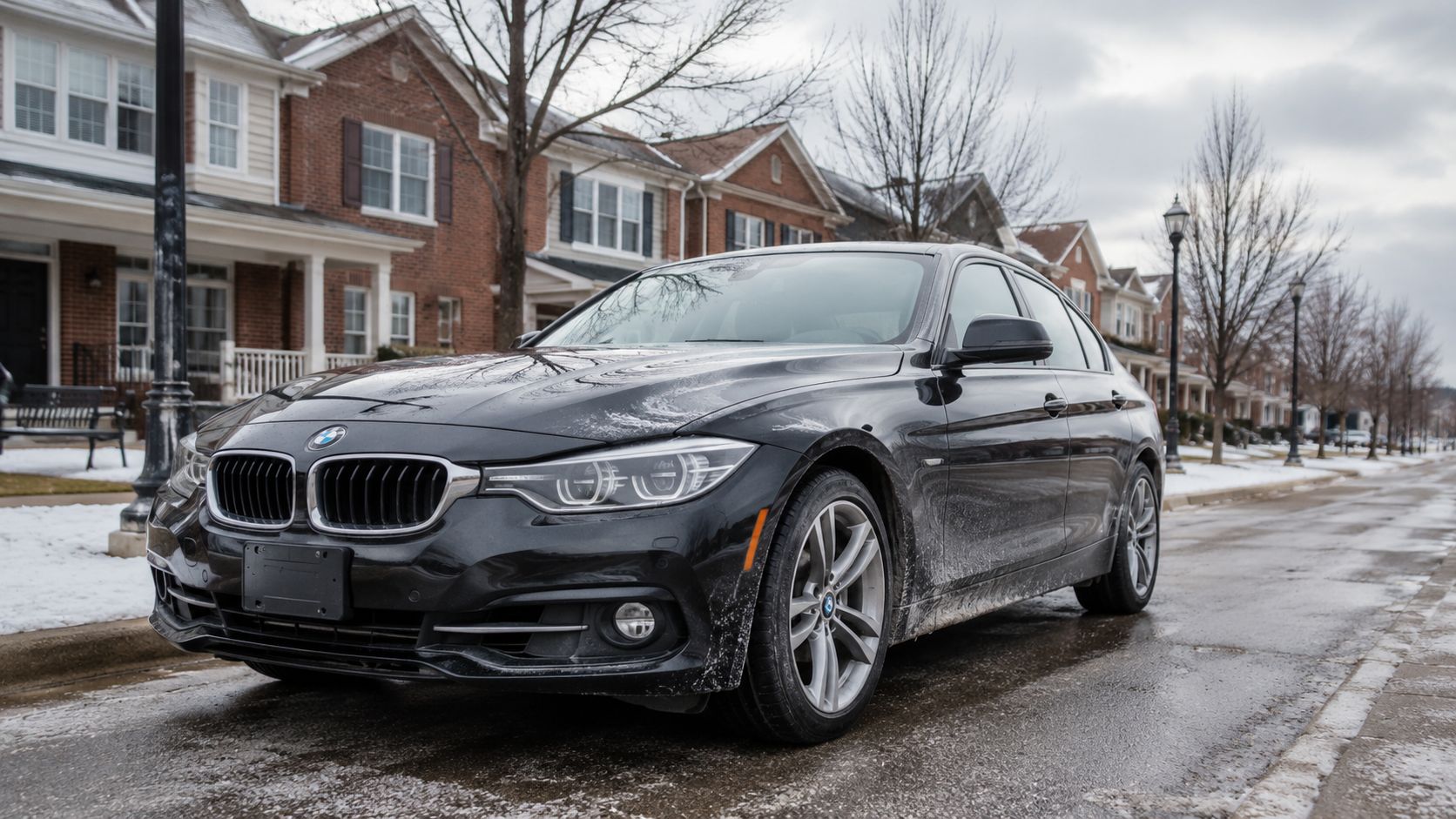
The biggest mistake I see is waiting for visible filth before washing. Salt spray, wet road film, and grime along the underbody start doing damage long before the paint looks terrible.
Winter and early spring need urgency
In Ontario, up to 70% of vehicle rust damage can occur within the first 5 years of ownership because of heavy road salt use, according to this local vehicle wash market reference. That's the strongest argument for regular undercarriage cleaning you'll find.
If you drive daily in winter, focus on these areas:
- Undercarriage rinse: Salt sits in seams, subframes, suspension pockets, and brake-line areas.
- Wheel wells: Packed slush holds moisture and corrosive residue.
- Lower doors and rocker panels: These zones collect the worst spray.
- Rear hatch and trunk lip: SUVs and crossovers trap grime here fast.
A shiny hood doesn't mean the vehicle is clean where it counts.
Spring, summer, and fall need different habits
Spring usually means leftover salt plus grit. Summer adds bugs, bird droppings, pollen, sap, and baked-on contamination. Fall brings road film, rain spotting, and organic debris around cowl panels and drains.
Use a simple seasonal rhythm:
- Wash sooner after storms or salty drives: Don't let residue sit.
- Remove bug splatter and bird droppings quickly: Those contaminants can stain if left on warm paint.
- Clean drains, jambs, and seals during shoulder seasons: That's where grime hides when the rest of the body looks fine.
If the lower half of the vehicle feels rough or looks dull before the upper panels do, your wash interval is already too long.
Owners who also maintain wax or sealant should line up washing with protection checks. If water behaviour changes and the finish starts feeling grabby, it's a good time to review a proper maintenance cycle like the one discussed in this guide on how often you should wax your car.
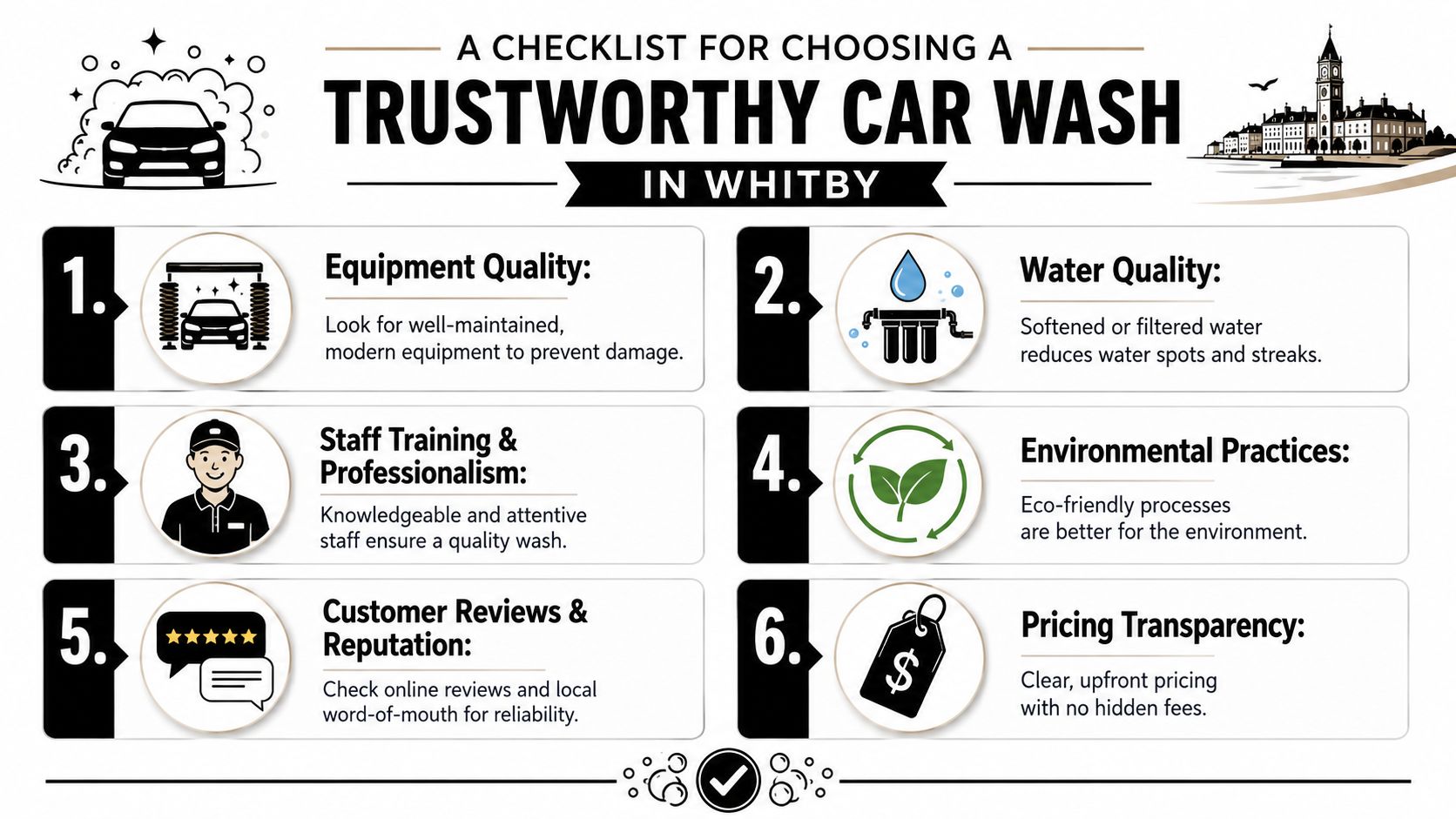
A Checklist for Choosing a Trustworthy Car Wash
A bad car wash usually gives itself away before your vehicle even enters the bay. Dirty floors, neglected equipment, cloudy chemicals, sloppy staff habits, and vague pricing are all warning signs.
A professional operation tends to show discipline in small details. Hoses are stored properly. Wash media looks clean. The bay doesn't smell like standing wastewater. Signage is clear. Staff don't shrug off questions about process.
What to inspect before you commit
- Equipment condition: Look at brushes, hoses, trigger wands, blowers, and payment stations. Worn or filthy equipment often means poor maintenance behind the scenes too.
- Water quality: If a facility uses filtered or softened water for final rinse stages, spotting is usually easier to control.
- Staff behaviour: Good teams notice existing damage, explain process limits, and don't overpromise.
- Bay cleanliness: Muddy standing water and heavy residue on walls suggest weak upkeep.
- Clear pricing: You should know what's included before the wash starts.
Environmental compliance matters
This part gets overlooked, but it matters. In Whitby, commercial car washes must have an Environmental Compliance Approval for wastewater systems and be able to process at least 22,991 L/day, with oil/water separators used to protect local waterbodies such as Chemong Lake, according to the Ontario approval document for sewage works.
That tells you the operation is dealing with wash water as a professional responsibility, not just spraying soap and hoping for the best. Shops that take compliance seriously are often more disciplined in process, maintenance, and customer care overall.
Clean wastewater handling won't guarantee a perfect wash, but poor wastewater handling is a red flag you shouldn't ignore.
There's a similar pattern with repair facilities in general. If you're comparing providers across maintenance and cosmetic care, this article on how to find the best car repair shop near you helps you judge professionalism beyond marketing claims.
Beyond the Wash Protecting Your Finish with PPF and Detailing
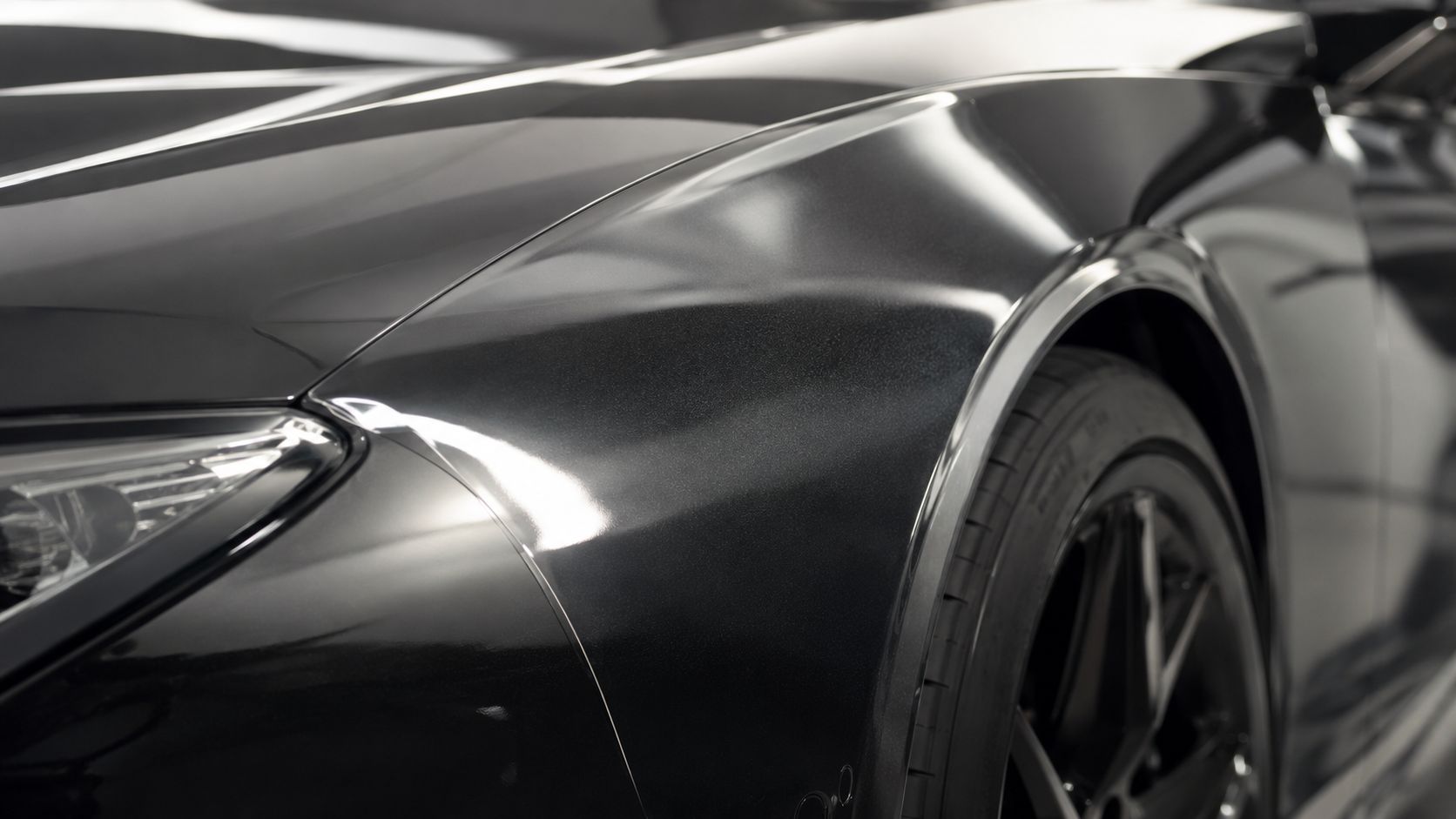
Washing is reactive. It removes contamination after it lands on the vehicle. It doesn't stop the next rock chip, parking-lot scuff, or sand abrasion from happening.
That's why serious paint care always moves beyond washing alone. If you want a vehicle to stay sharp for years, you need a sacrificial layer between the environment and the finish.
What washing can and cannot do
A good wash prevents contamination from sitting on paint too long. That's valuable. It helps reduce staining, limits bonded grime, and makes routine upkeep safer.
But washing cannot prevent:
- Stone chips on front-end impact zones
- Light abrasion from road grit
- Random scratches from contact in daily use
- Etching risks when contamination sits too long between washes
That's where paint protection film, often called PPF, changes the equation. It acts as a physical barrier over high-impact areas and takes abuse that would otherwise hit the paint directly.
Why protection makes washing easier
Protection doesn't replace washing. It improves it. A properly protected vehicle sheds contamination more easily, which means less scrubbing, fewer aggressive passes, and a lower chance of inflicting wash marks during maintenance.
The Ontario car wash and detailing market is projected to reach $617.2 million in 2026, with average annual growth of 3.3% from 2021 to 2026, according to IBISWorld's Ontario industry profile. That steady demand reflects something many experienced owners already know. Drivers aren't only paying for basic cleaning. They're increasingly looking for protection that makes every future wash easier and safer.
A vehicle with film on the front end and proper surface care elsewhere is easier to live with. If you're weighing that route, this guide to PPF and car wash compatibility is worth reading before choosing products or wash methods.
A Holistic Approach to Vehicle Care in Whitby
The best car wash in Whitby, Ontario isn't automatically the fastest one, the cheapest one, or the one with the brightest lights. It's the one that fits your vehicle's condition, your standards, and the level of protection already on the surface.
A winter daily may need repeated underbody flushing and practical maintenance washes. A newer black pickup may benefit more from careful hand washing and better drying habits. A vehicle with fresh film or corrected paint needs an owner who understands that safe cleaning matters as much as cleaning frequency.
What a smart maintenance mindset looks like
Strong vehicle care usually follows this pattern:
- Choose the right wash type for the contamination level: Don't use a harsh method for light dust, and don't expect a light rinse to solve heavy buildup.
- Adjust with the season: Ontario roads change what your vehicle carries.
- Watch the finish, not just the dirt: Water spotting, roughness, and reduced slickness all tell you something.
- Protect what you clean: Washing alone maintains. Protection preserves.
That last point is the one many local guides skip. A wash removes what's on the car today. Broader vehicle care deals with what tomorrow will throw at it.
Why enthusiasts think long term
If you care about resale, appearance, and how a vehicle ages, the primary goal isn't just a clean Saturday finish. It's keeping the paint, trim, glass, film, and underbody in better condition month after month.
For most owners, that means treating washing as one part of a complete system. Clean properly. Protect proactively. Fix small issues before they spread. That approach works better than chasing shine after damage has already started.
If you want help building that kind of long-term protection plan, Carmedics Autowerks Inc offers Whitby drivers professional support for vehicle protection, appearance care, fleet service, window tinting, paint protection film, and collision repair so your car doesn't just look clean today. It stays better protected for the road ahead.