


The first real Whitby snow usually catches people the same way. You leave for work with clear pavement, a cold windshield, and a car that still feels like it's in October. By the drive home, there's slush on Dundas, spray off the 401, and every little thing you meant to handle later suddenly matters. Tires. Battery. Washer fluid. Wipers. The heater you assumed was fine.
That's why how to prepare car for winter shouldn't start when the first storm hits. It should start while the weather is still easy and appointments are still available. Around Whitby, lake-effect snow off Lake Ontario can turn a normal commute into a visibility and traction problem fast, especially once salt trucks are out and temperatures swing around freezing.
Ontario's winter crash numbers make the point plainly. Over 1,200 collisions between 2018 and 2022 were directly attributed to winter conditions, and in the 2022 to 2023 season, Durham Regional Police reported 2,347 winter-related crashes, a 15% increase from the previous year, with 42% of incidents involving vehicles without winter tires according to the Ontario winter driving guidance. Those aren't abstract numbers. They're the roads you use, the shoulders you sit on, and the intersections your family crosses.
That First Snowfall Feeling and How to Avoid It
The mistake most new-car owners make is thinking winter prep is one job. It isn't. It's a sequence.
A lot of drivers wait for the first flurries, then try to do everything in one week. That's when tire shops get jammed, batteries fail at the worst time, and little corrosion spots get ignored until spring. In Whitby, where your car deals with damp cold, lake-effect snow, and fast highway temperature changes, that approach is backwards.
The better plan is simple. Handle the long-lead work early, do the mechanical check before the first hard freeze, then finish with the traction, visibility, and emergency gear that keeps you moving when conditions turn ugly. If you're new to winter driving in Canada and want a broader driver-focused primer, this guide on how to prepare for winter on Georgia roads is useful for mindset and fundamentals, even though Ontario conditions are rougher and demand more from the car itself.
Don't judge winter readiness by how the car feels on a dry day. Judge it by whether it will still start, stop, and clear the windshield in sleet at the end of a long workday.
One early decision matters more than people think. Book your tire change before everyone else does. If you're unsure about timing for local conditions, this advice on when to change tires for winter gives a practical Whitby-specific reference point.
If you get the timeline right, winter prep feels manageable. If you leave it late, it turns into damage control.
Your Early Autumn Prep Plan 6 to 8 Weeks Before Frost
Start with the parts of winter prep that require lead time. Not the quick checks. The things you can't solve in one lunch break.
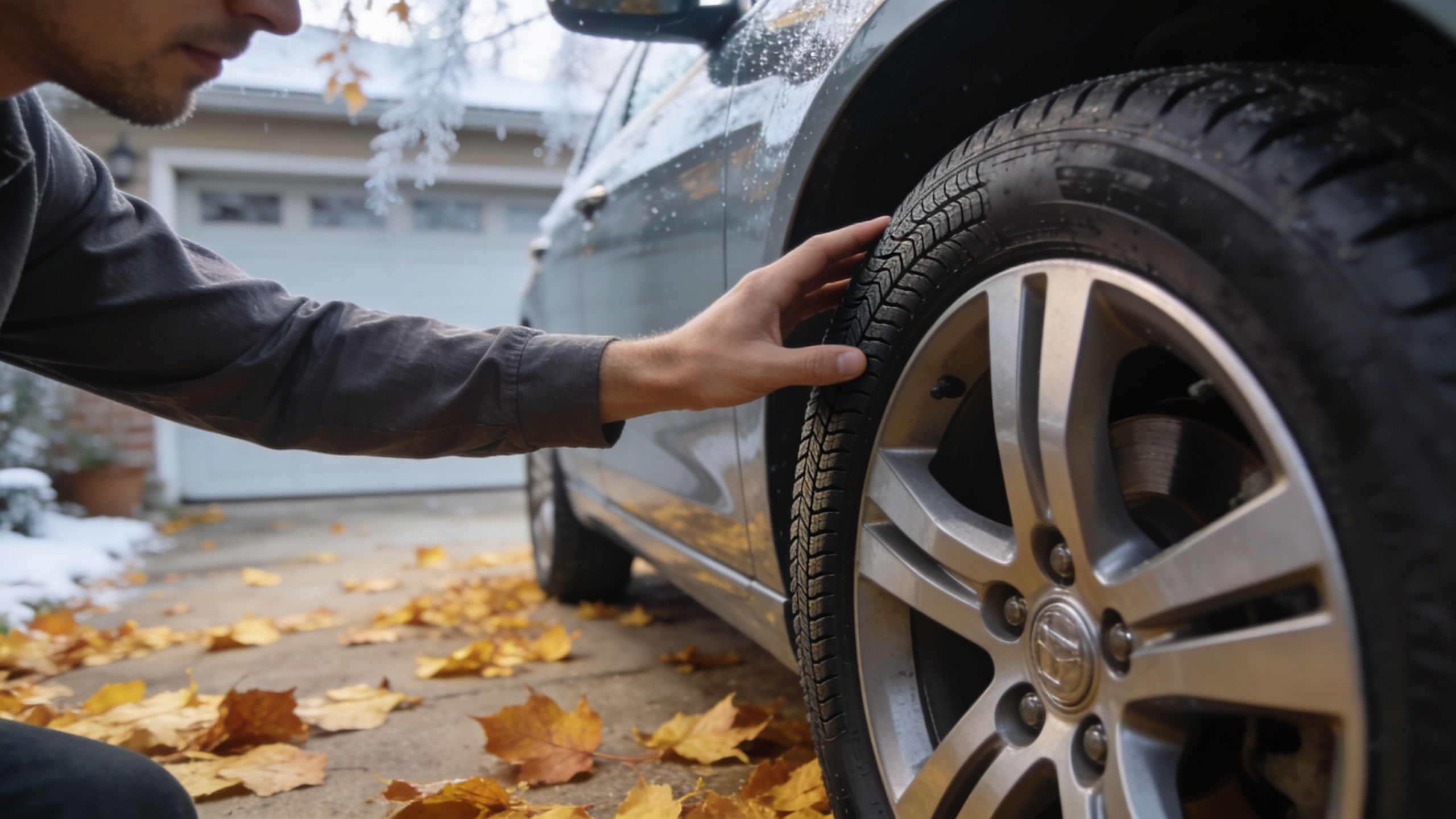
Look for rust before salt season starts
In Durham Region, over 15,000 tonnes of road salt are applied annually, and that salt can accelerate underbody rust by 30 to 50% compared to unsalted areas. The same Durham source notes that proactive measures like PPF and undercoating can cut long-term repair costs by up to 40% on vehicles exposed to those conditions, as outlined by Durham Region winter maintenance information.
That matters more in Whitby than a lot of owners realise. You've got highway spray, wet slush that hangs around rocker panels, and repeated freeze-thaw cycles. If you already have stone chips around the hood edge, wheel arches, or lower doors, salt finds them fast.
What works:
- Inspect the lower body panels in good light. Check rocker panels, rear wheel arches, the lip behind the front wheels, and the lower edge of the doors.
- Deal with paint damage early. A tiny chip in September is cosmetic. The same chip after a salty winter can become a corrosion problem.
- Think about protection where the car gets blasted. Front bumper edges, hood leading edge, mirror caps, rocker panels, and behind the wheels take the most abuse.
What doesn't work is waiting until January and hoping regular washes undo months of salt contact.
For local drivers trying to protect a newer vehicle, it helps to read up on best rust prevention for cars before the roads turn white.
Order winter tires before stock gets thin
Early autumn is also when you decide whether you're reusing last year's winter set, buying a new set, or replacing worn tires before the rush. If you wait until the first storm warning, you'll be choosing from whatever is left in your size.
A practical approach is to confirm three things:
- Tread condition on your current winter tires.
- Wheel setup, whether you're mounting on separate steel or alloy rims.
- Storage and scheduling, so the swap doesn't become a last-minute scramble.
Practical rule: If your plan depends on “I'll book it when the weather turns,” your plan is already late.
Protect the small things that become winter annoyances
Early autumn is the right time to handle items people ignore because they still work “well enough.”
That includes:
- Door seals: Clean them so they don't freeze shut as easily.
- Locks and hinges: A little preventive lubrication now beats forcing frozen hardware later.
- Floor mats: Swap in winter mats before the first slush day, not after your carpet is soaked with salt.
This stage is about preserving the car. Not just making it survive winter, but helping it come out of winter without avoidable damage.
The Core Mechanical Check Up 2 to 4 Weeks Before Frost
This is the part that decides whether the car starts on a cold morning and whether the heat, defrost, and fluids do their job when traffic slows down on the 401.
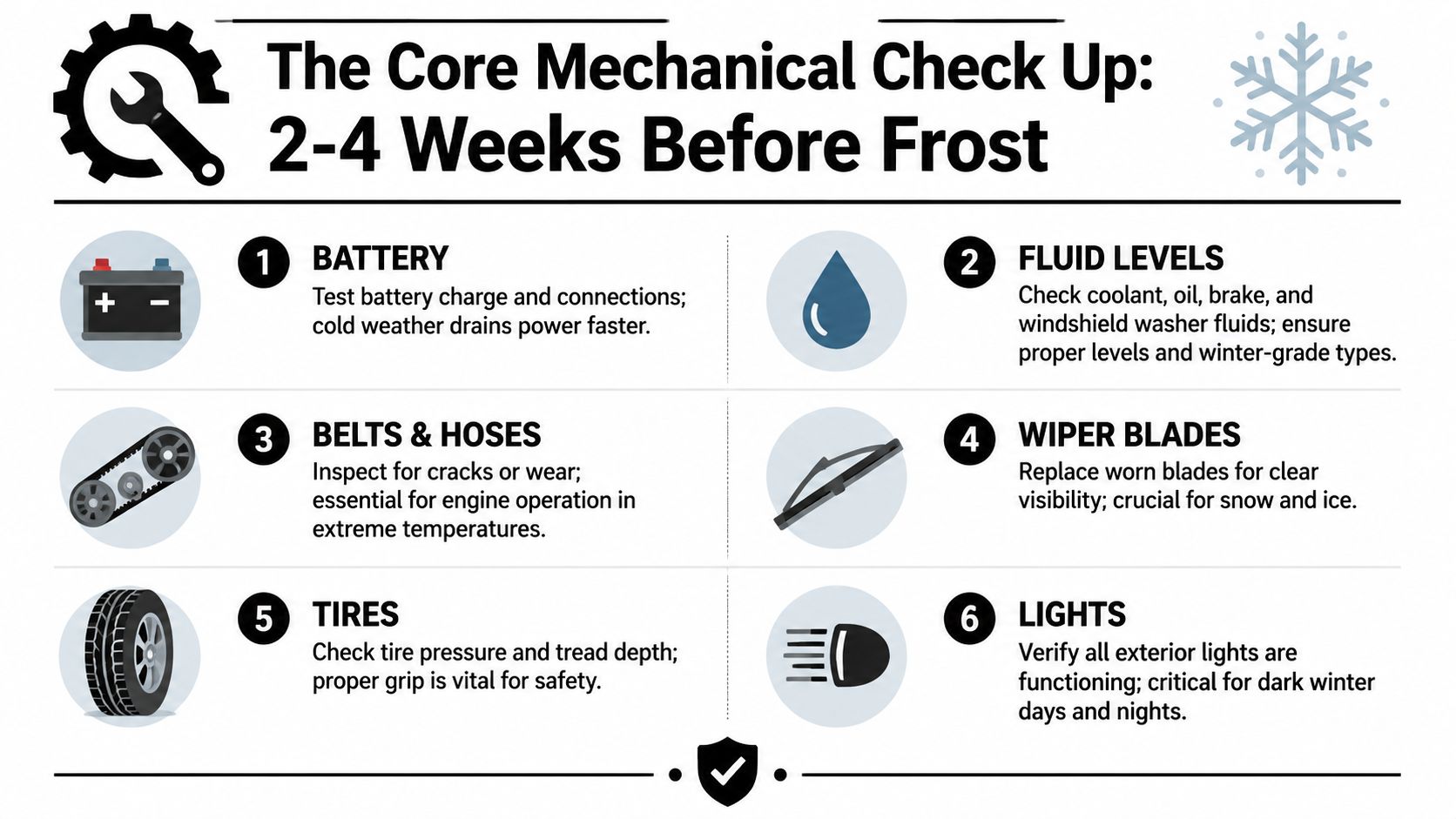
Battery first, because cold exposes weakness fast
In Ontario, a car battery loses 20 to 30% of its capacity for every 10°C drop below freezing, and batteries over three years old are responsible for 60% of winter start failures if their Cold Cranking Amps fall below 80% of their rating, according to CAA car care guidance.
That's why battery testing is not a nice extra. It's one of the most important winter checks you can do.
If the battery is ageing, if the engine cranks slower than normal, or if the terminals show corrosion, don't gamble on it. A digital load test tells you more than “it started today.” It tells you whether the battery can still deliver enough cranking power after a freezing night.
What I'd check on any car headed into a Whitby winter:
- Battery age: Once it's getting older, cold weather becomes less forgiving.
- Terminal condition: Corrosion creates resistance, and resistance steals starting power.
- Charging system health: A weak alternator can look like a battery problem until the temperature drops.
- Ground connections: Poor grounds cause strange winter electrical complaints.
Fluids that matter in real winter use
Coolant gets overlooked because people assume it's only about preventing freezing. It's also central to heater performance and temperature control when the car sits in slow winter traffic. The correct mixture matters. If you want a plain-language explainer on the basics, this article on how antifreeze protects your engine is a helpful refresher.
Check these before frost:
- Coolant condition and level: The mix has to be correct, and the system has to be full. If the heater output is weak, don't ignore it.
- Washer fluid: Use a winter formula. Summer fluid in a Canadian cold snap is asking for trouble.
- Engine oil: The right viscosity for winter helps cold starts and proper lubrication on startup.
- Brake fluid: If it's overdue, winter is a bad time to leave it neglected.
A lot of winter complaints come down to fluids being technically present but not right for the season.
Belts, hoses, brakes, and defrost
Cold weather hardens rubber and exposes wear that was easy to miss in mild temperatures. A cracked hose, a tired belt, or a lazy defroster motor might not strand you in September. In January, they can.
Use this quick garage-floor checklist:
| Check area | What to look for | Why it matters in winter |
|---|---|---|
| Battery | Slow crank, corrosion, age | Starting power drops in the cold |
| Coolant system | Low level, weak heat, leaks | Heat and defrost depend on it |
| Belts and hoses | Cracks, glazing, softness, swelling | Cold makes existing wear more obvious |
| Washer system | Weak spray, wrong fluid, clogged nozzles | Visibility disappears fast in slush |
| Heater and defrost | Slow clearing, uneven airflow | A fogged windshield is a safety issue |
| Brakes | Noise, vibration, reduced bite | Slick roads punish weak brakes |
If your brakes already feel marginal in dry weather, winter won't improve them. This is the right time to find out what a proper brake pad replacement cost looks like before slick roads turn a small issue into a bigger one.
A winter inspection should answer one question. If the temperature drops tonight and the roads are wet tomorrow morning, what on this car is most likely to fail first?
That's the mindset. Don't just top things up. Find the weak link.
Mastering Traction and Visibility on Icy Roads
Most winter driving advice gets too polite about tires. Around Whitby, with black ice, slush lanes, and sudden weather changes near the lake, winter tires are not the same thing as all-seasons.
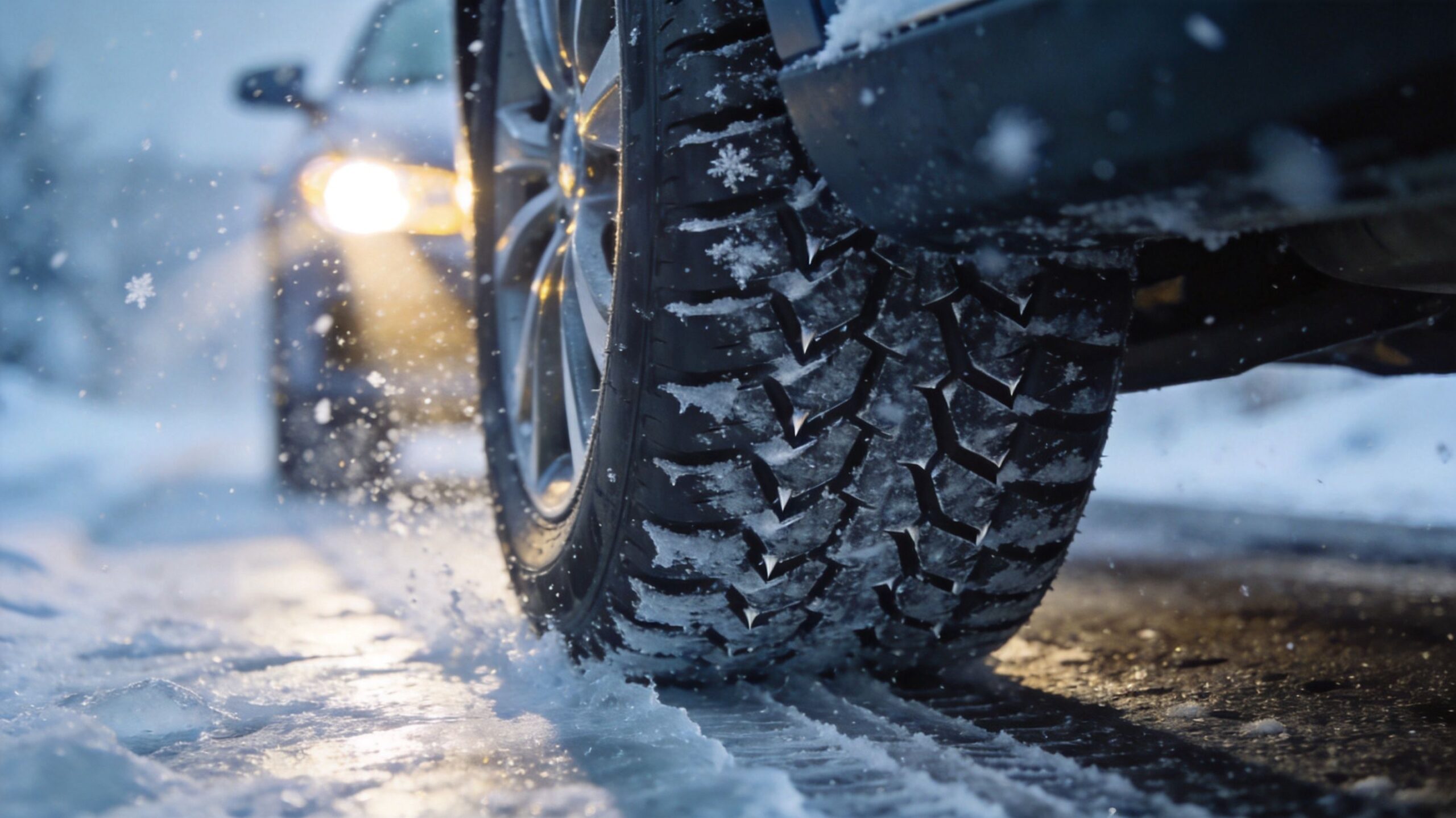
Why winter tires earn their place
For Whitby drivers, Transport Canada benchmarks show that winter tires with the 3-Peak Mountain Snowflake symbol can reduce stopping distances on snow by up to 27% compared to all-season tires, as explained in Transport Canada winter driving information.
That's the difference between braking hard and still making contact, or stopping short of the problem.
The key point isn't just tread pattern. Winter compounds stay more workable in low temperatures. All-seasons get harder, and once that happens, the car asks more from the brakes and stability systems than those systems can give.
When you're choosing or checking winter tires, focus on:
- The 3PMSF symbol: This tells you the tire is winter-rated.
- Even tread wear: Uneven wear means less predictable grip.
- Cold tire pressure: Pressure drops as temperatures fall, and a tire that's merely low in autumn can be badly low in winter.
Visibility is part of traction
A lot of skids start before the wheels lose grip. They start when the driver can't see the standing slush, lane edge, or braking traffic ahead.
If your wipers chatter, streak, or miss part of the glass, replace them before the weather turns. Salt mist and dirty spray on Highway 401 can blind you in seconds. The same goes for rear wipers on hatchbacks and SUVs. They matter more in winter than people think.
A proper visibility check should include:
- Wiper blades: Replace worn blades, front and rear if equipped.
- Washer spray pattern: Make sure nozzles hit the glass correctly.
- Defroster performance: Front and rear glass should clear properly.
- Exterior lights: Snow film and road grime cut light output fast. Clean them often.
If your blades are due, this guide to wiper replacement is worth reviewing before the first freeze.
Good winter driving starts with seeing early enough to brake gently. Once you're reacting late, the tire has to do too much.
What works and what doesn't
What works is a matched set of winter tires, correct pressure, usable tread, and a clean windshield with strong washer spray.
What doesn't work is relying on AWD to make up for poor tires, or assuming a heavy SUV will stop better because it feels planted. Weight helps you get moving. It doesn't change the laws of traction when you need to stop.
Special Considerations for Modern Vehicles
Newer vehicles make winter easier in some ways and trickier in others.
The big one is the EV question. More Whitby drivers are moving into electric vehicles, and winter changes how you use them. The issue isn't whether an EV can handle Ontario winter. It can. The issue is whether the owner changes habits to match the season.
Natural Resources Canada notes that an electric vehicle's range can drop by up to 40% in cold weather, and that preconditioning the battery and cabin while plugged in is the single most effective way to preserve range for your winter commute in its guidance on EV range in cold weather.
For EV owners in Whitby
Preconditioning is the habit that matters most. Warm the battery and cabin while the car is still plugged in, not after you've unplugged and started using stored energy. That keeps more of the charge available for driving instead of cabin heat.
A few practical EV winter habits make a real difference:
- Charge with more margin than you use in summer. Winter is not the season to run the battery low on purpose.
- Use seat and wheel heaters intelligently. They often feel better than blasting cabin heat nonstop.
- Keep the charging port area clean. Snow and ice around charge doors become annoying fast.
- Plan around shorter effective range. Especially if your route includes highway speed and a cold-soaked start.
New paint, new glass, and winter abuse
Modern winter prep isn't only mechanical. If you've bought a newer vehicle and want it to stay looking new, winter protection is practical, not cosmetic.
Whitby roads throw a harsh mix at your car. Sand, salt, wet grit, and small stones hammer the lower body and front surfaces all season. Paint Protection Film makes the most sense on the areas that take direct impact. Hood edge, bumper, mirror caps, rocker panels, and behind the wheels.
Tinting also gets misunderstood. It's not just for summer heat or appearance. On bright winter days, low sun reflecting off wet roads and snow can create serious glare. Good tint improves comfort and cuts fatigue on long drives.
For newer cars, the smart winter mindset is simple. Protect the finish, manage EV range realistically, and don't assume modern tech makes the car immune to old winter problems.
Interior Prep and Your Roadside Survival Kit
The inside of the car matters more in winter than people think. It's where visibility starts, where moisture builds up, and where you'll sit if traffic stops for much longer than expected on the 401.
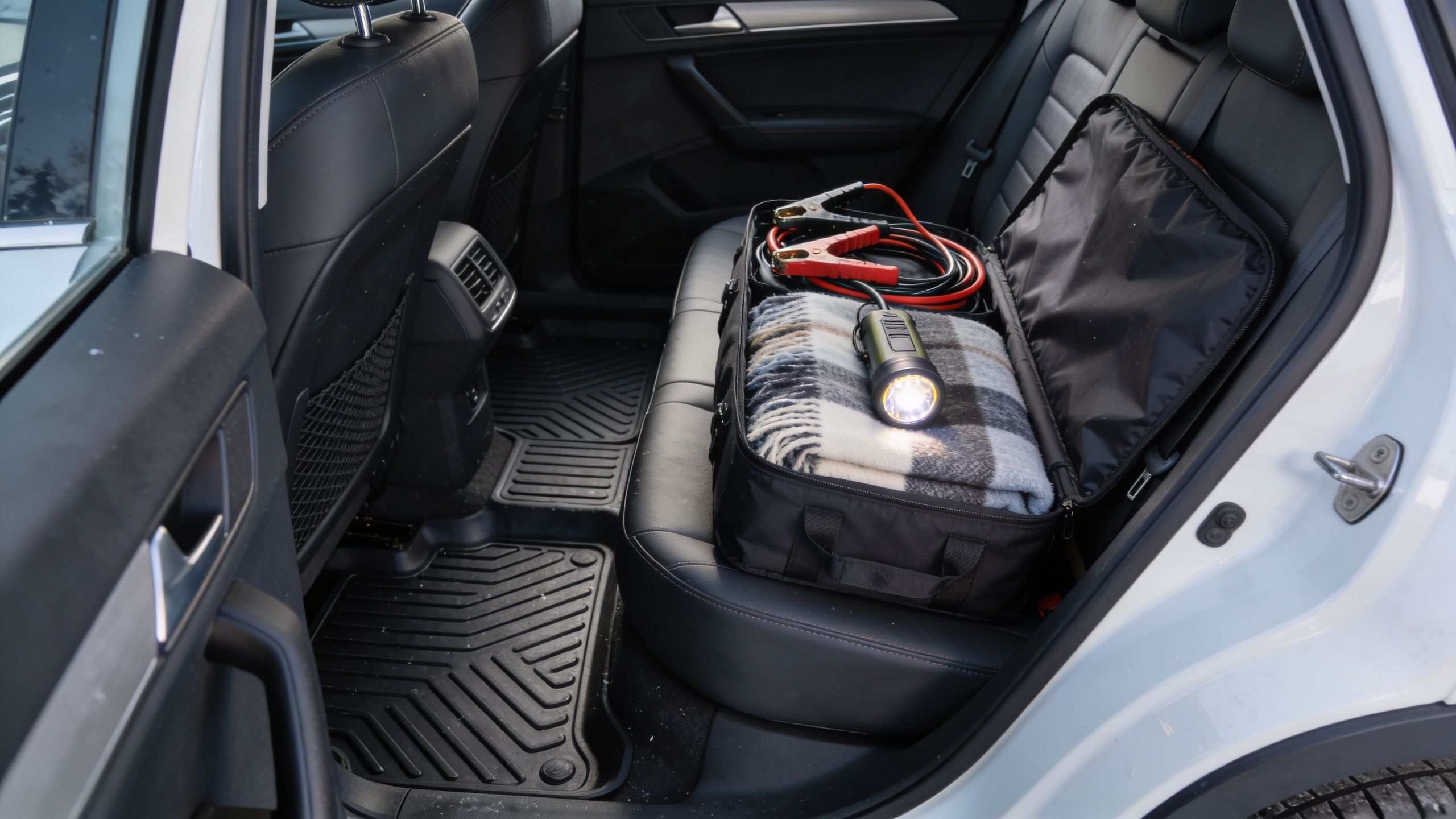
Clean, dry, and easy to manage
Start by making the cabin easier to live with in slush season.
Heavy-duty rubber mats are worth it. They hold melting snow, salt, and grit instead of letting it soak into carpet. Clean the inside of the windshield properly too. A film you barely notice in autumn becomes dangerous when headlights hit it on a dark snowy evening.
Then check the basics you use every day:
- Ice scraper and snow brush: Keep them inside the car, not buried in the boot under groceries.
- Cabin air flow: If the windows fog easily, don't just blame the weather. A dirty cabin filter or weak airflow makes winter driving miserable.
- Seat adjustment and clothing clearance: Bulky coats change how you sit and steer. Set up the driving position with winter clothing on.
Build a kit for a Whitby-area stranding
A winter emergency kit doesn't need to be fancy. It needs to be useful when you're cold, annoyed, and parked where help takes time to reach you.
Pack for the situations that happen around Durham. Getting stuck in deep snow near home. Sitting immobile after a highway incident. Sliding onto a shoulder where the tires need extra bite to get moving again.
A sensible kit includes:
- Booster cables or a portable booster: Starting issues don't wait for convenient locations.
- Blanket and spare warm layer: Heat can disappear quickly if the engine can't run.
- Compact shovel: Small enough to store, strong enough to clear around the drive wheels.
- Traction aid: Sand or cat litter can help when the tires spin on packed snow.
- Flashlight: Hands-free is ideal if you're checking around the car in the dark.
- Phone charging cable or power bank: Dead phones turn a delay into a problem.
- Water and shelf-stable snacks: Not for comfort. For waiting.
- Work gloves: Cold hands make every roadside task harder.
- Basic first-aid supplies: Minor cuts and cold conditions are a poor combination.
If you ever have to stop on the shoulder in blowing snow, you'll care a lot less about how tidy the boot looks and a lot more about whether you packed a blanket and a light.
If your current battery is already questionable, sort that before winter rather than depending on cables alone. It helps to understand the likely car battery replacement cost before a no-start morning forces the issue.
Carmedics Autowerks Winter Prep Services Menu
| Service | What It Includes | Estimated Cost | Best Time to Book |
|---|---|---|---|
| Battery health check | Visual inspection, terminal check, battery testing, charging system review | Contact the shop for current pricing | 2 to 4 weeks before frost |
| Winter tire swap and inspection | Seasonal tire change, tread review, pressure adjustment, wheel condition check | Contact the shop for current pricing | Early autumn |
| Coolant and fluid inspection | Coolant check, washer fluid top-up, fluid condition review | Contact the shop for current pricing | 2 to 4 weeks before frost |
| Brake inspection | Pad and rotor condition check, brake system review | Contact the shop for current pricing | Before temperatures stay near freezing |
| Wiper replacement | Blade condition check and replacement if needed | Contact the shop for current pricing | Before the first freeze |
| Rust prevention and protection | Underbody protection options, surface condition review, protective film consultation | Contact the shop for current pricing | 6 to 8 weeks before frost |
| PPF installation | Protection for impact-prone painted surfaces | Contact the shop for current pricing | Late summer to early autumn |
| Window tinting | Tint options to reduce glare and improve comfort | Contact the shop for current pricing | Any time before winter travel ramps up |
The best winter prep is the one you do early enough to be calm about it. Start before the rush. Handle the battery, tires, fluids, and visibility items before they become urgent. Then keep the emergency gear in the car so one bad commute doesn't become a much bigger problem.
If you want a professional set of eyes on your vehicle before Whitby winter settles in, Carmedics Autowerks Inc offers auto repair, fleet maintenance, window tinting, paint protection film installation, and collision repair for local drivers who want their car ready for salt, slush, and cold starts. Book your winter prep early, while you still have time to fix problems properly instead of reacting to them after the first storm.