

Don't Let Ontario's Seasons Get the Best of Your Car
A dead battery on a bitter January morning in Whitby. Tires that felt fine last week suddenly hunting for grip on a cold, rain-slicked road. Brake noise that showed up after winter but got ignored because the car still stopped. Most drivers know the feeling. Small seasonal issues don't stay small for long in Ontario.
Driving here means your vehicle deals with road salt, potholes, freeze-thaw cycles, humid summer heat, and long stretches where visibility matters as much as traction. That's why a proper seasonal maintenance checklist isn't just about keeping up appearances. It helps you avoid breakdowns, catch wear before it becomes expensive, and protect the value of a car you actually care about.
Generic maintenance lists usually miss what matters most for local drivers. They talk about washing, topping up fluids, and maybe swapping tires. They rarely address what Ontario roads do to suspension components, how winter attacks batteries and brakes, or how premium upgrades like paint protection film and window tint need their own inspection routine. That's a miss, especially if you've invested in a newer vehicle and want it to stay that way.
At Carmedics Autowerks, we see the same pattern every year. The owners who stay ahead of seasonal service spend less time dealing with preventable failures. They also avoid the frustrating repairs that start with one ignored symptom and end with a much bigger bill.
Use this checklist as your year-round playbook. Start with the basics, be honest about what you can inspect yourself, and know when it's time to let a shop step in.
1. Tire Inspection and Seasonal Rotation
Tires tell the truth about how your car is doing. They show inflation problems, alignment issues, suspension wear, and whether your seasonal timing is off. If your seasonal maintenance checklist starts anywhere, it starts here.
In Ontario, temperature swings matter. Cold weather drops tire pressure, and pressure that was acceptable a few weeks ago can become unsafe fast. Add potholes and rough spring roads, and a quick visual glance isn't enough.
What to check every season
Look at all four tires, not just the fronts. Feel the tread blocks with your hand, check the sidewalls for bulges or cuts, and pay attention to wear patterns across the inside and outside edges.
A solid routine includes:
- Check pressure cold: Use the door-jamb sticker, not the number printed on the tire sidewall.
- Inspect for uneven wear: Feathering, inner-edge wear, or cupping usually points to alignment or suspension trouble.
- Rotate on schedule: Seasonal rotation helps keep wear even, especially on front-heavy cars and SUVs.
- Confirm the right set is on the car: Ontario drivers are best served by true winter tires during the cold season, not all-seasons with wishful thinking.
If you're booking your swap, seasonal tire change service in Whitby is the right time to inspect tread condition, valve stems, wheel balance, and any impact damage from winter roads.
Practical rule: If the steering wheel is off-centre or the car pulls after a pothole hit, don't just rotate the tires and hope for the best. Check alignment and suspension before the new set wears the same way.
What works is pairing seasonal tire changes with a proper inspection. What doesn't work is storing one set, mounting the other, and assuming the job is done. That's how drivers miss cords showing on the inside edge or discover a bent rim after the first highway vibration shows up.
2. Fluid Level and Quality Check (Oil, Coolant, Brake Fluid)
Fluids don't usually fail all at once. They degrade, absorb contamination, leak slowly, or lose effectiveness at the worst possible time. Ontario weather makes that more obvious, especially when cold starts, stop-and-go driving, and summer heat all hit the same vehicle over the year.
Engine oil is the first thing most owners think about, but it shouldn't be the only thing on the list. Coolant, brake fluid, washer fluid, and transmission fluid all deserve attention. A seasonal maintenance checklist that ignores fluid condition is incomplete.
The fluid checks that matter most
Check oil level on level ground and pay attention to colour and smell. Dark oil isn't always a crisis, but burnt-smelling oil or a sudden drop on the dipstick deserves investigation. Coolant should sit at the proper mark when the engine is cold, and the reservoir shouldn't show oily residue or rust-coloured contamination.
Brake fluid gets ignored more than it should. It absorbs moisture over time, and that changes how the system behaves, especially under repeated braking or in cold weather. If you're unsure about service timing, this guide on how often brake fluid should be changed is worth reading before you push it too far.
Use this standard:
- Engine oil: Follow the vehicle maker's spec and don't mix grades casually.
- Coolant: Only top up with the correct type. "Close enough" coolant causes expensive problems.
- Brake fluid: If the pedal feel has changed, don't wait for the next major service.
- Washer fluid: In Ontario, use a winter-capable fluid before temperatures drop.
Some maintenance programs are moving away from calendar-only servicing and toward measurable condition checks. In Canada, predictive maintenance is projected to grow from USD 13.89 billion in 2026 to USD 23.79 billion by 2031, with an 11.4% CAGR according to MarketsandMarkets' predictive maintenance outlook. In practical shop terms, that means smarter inspections focus on things you can measure, like fluid degradation and system performance, instead of relying only on the calendar.
3. Battery Testing and Inspection
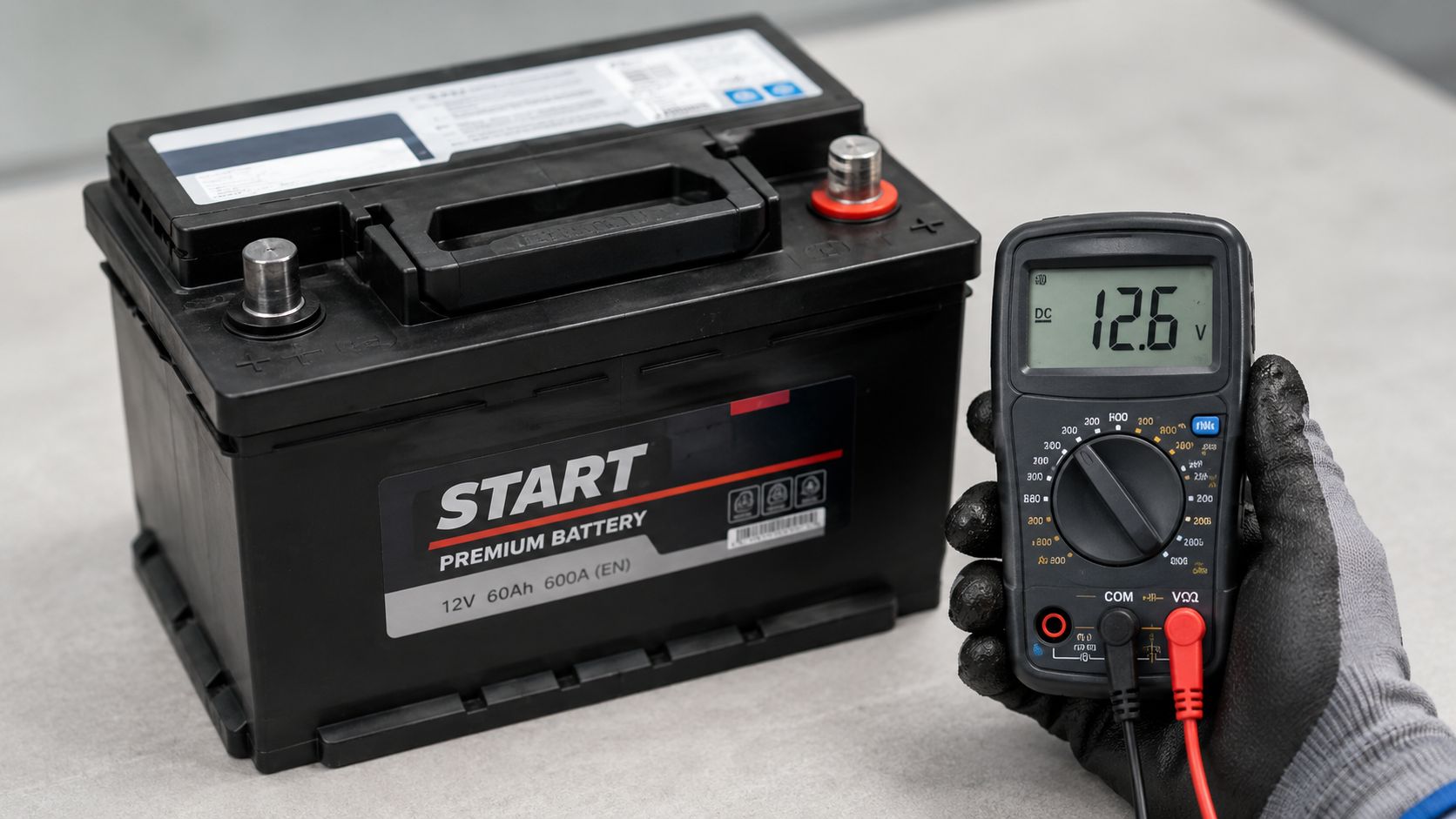
A battery can feel fine right up until the morning it doesn't. That's why battery testing belongs in spring and fall, not just when the car won't start.
Ontario winters are hard on batteries, and the problem usually isn't just age. Short trips, corroded terminals, weak charging output, and leaving a vehicle parked too long all speed up failure. In the shop, we often see drivers blame the battery when the underlying issue is a charging system problem or a parasitic draw.
Don't rely on a guess
A proper check means more than looking for corrosion. Test resting voltage, load-test the battery, inspect terminal tightness, and confirm the alternator is charging correctly once the car is running.
The signs that deserve attention are usually straightforward:
- Slow cranking: The engine turns over reluctantly, especially in the cold.
- Electrical oddities: Flickering interior lights or weak accessory power can point to voltage issues.
- Visible corrosion: White or blue-green buildup around terminals interferes with current flow.
- Intermittent no-starts: These are often dismissed until they become constant.
One verified winter reality matters here. In Ontario, many generic seasonal checklists fail to address vehicle winterization properly, even though battery health is one of the key failure points for cold-weather driving. That's exactly why battery testing shouldn't be treated as an optional extra.
If your battery is older, your commute is short, or the car sits for stretches, compare your symptoms against this breakdown of car battery replacement cost and warning signs. It helps you decide whether you're dealing with normal wear or a battery that's already on borrowed time.
Cold weather exposes weak batteries. It doesn't create the problem from scratch.
What works is testing before winter and cleaning terminals before corrosion gets heavy. What doesn't work is waiting until the first deep freeze and assuming a boost pack will solve everything.
4. Paint Protection Film and Protective Coating Inspection
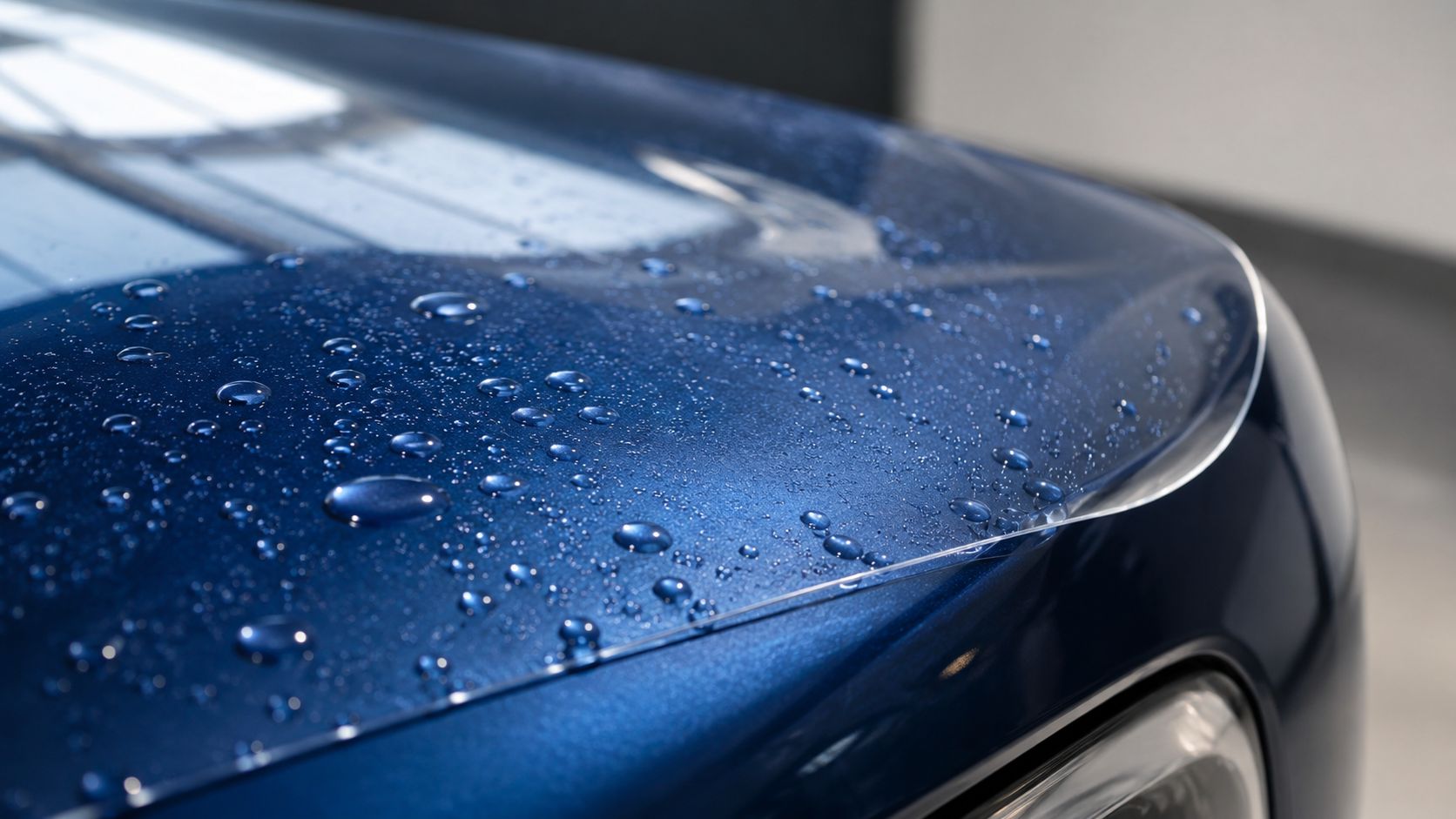
If you've invested in paint protection film or a coating package, treat it like a system that needs inspection, not a one-and-done add-on. Ontario roads punish front ends, rocker panels, mirror caps, and lower doors with salt, sand, grit, and wash chemicals all year.
A lot of car owners only notice PPF when something has already gone wrong. Lifting edges, trapped contamination, staining near seams, or damage from aggressive washing usually starts small. Catch it early and the fix is often simple. Ignore it and moisture gets underneath.
Where protective film usually starts to fail
Check the leading edges first. Hood corners, bumper relief cuts, mirror edges, and wheel arch sections are the usual trouble spots. Then look at gloss consistency. If one section of the panel has stopped shedding water the way it used to, the topper or coating may need attention even if the film underneath is still sound.
In the provided Ontario-specific data, UV exposure and road salt in Whitby are said to cause faster degradation of unprotected auto surfaces than inland areas. That makes seasonal inspection especially important for newer vehicles and dark paint colours that show everything.
Use a careful routine:
- Wash with soft tools: Microfiber mitts and towels reduce edge lifting and surface marring.
- Avoid aiming pressure at film seams: High-pressure spray close to an edge can start a failure.
- Inspect after winter: Salt residue tends to highlight edge problems and trapped contamination.
- Address defects early: Small lifting can turn into larger replacement work if water gets in.
If you're unsure what quality protection should look like, compare options through this guide on choosing the best car paint protection.
Generic seasonal lists almost never mention PPF or coating care. That's a mistake for Ontario drivers who want their car to keep looking new past the first few winters.
5. Brake System Comprehensive Inspection
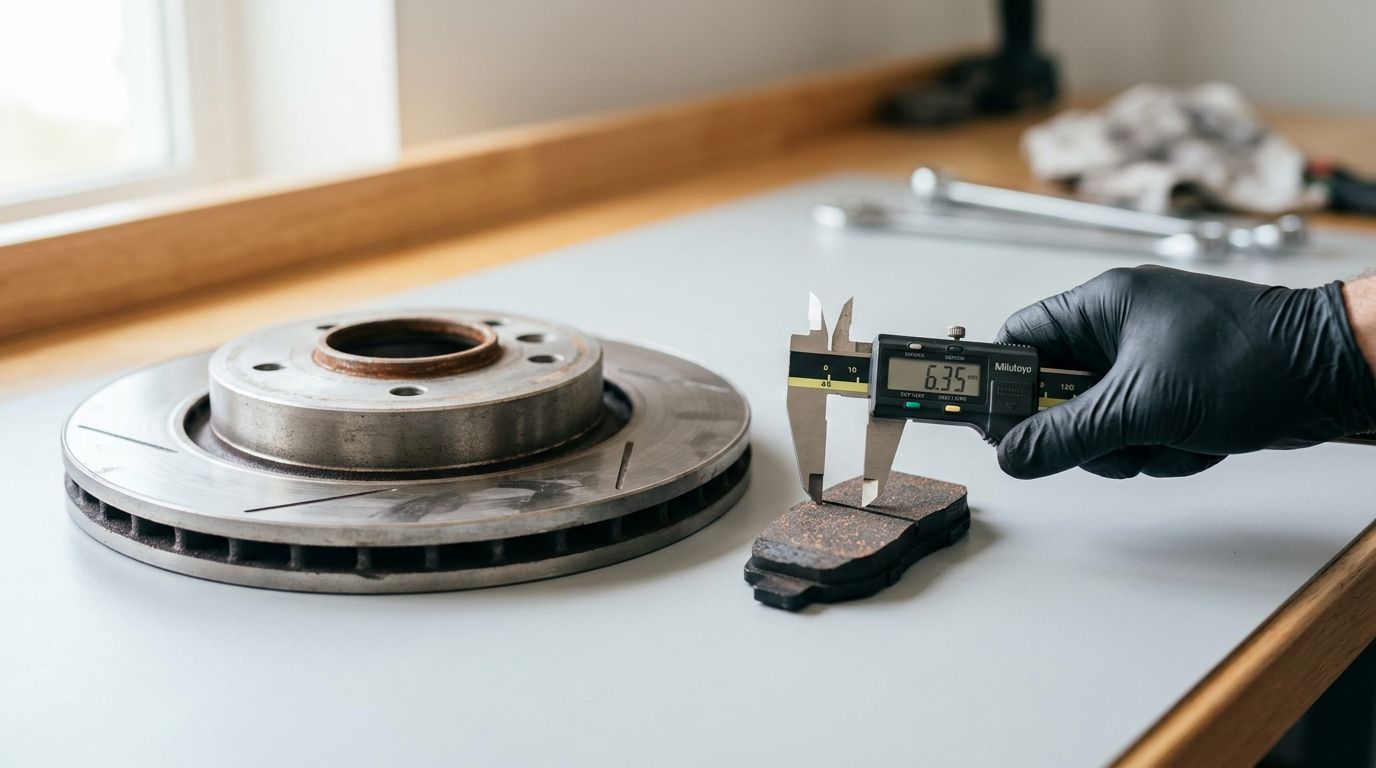
Brakes are one of those systems drivers tend to "monitor" for too long. If they squeal a little, pulse a little, or feel slightly softer than before, many people keep driving until the repair gets larger. Ontario winters make that a bad habit.
Salt, moisture, and repeated heat cycles are hard on rotors, caliper hardware, and brake lines. After winter, it's common to see rust buildup, sticky slide pins, and uneven pad wear. Before winter, you want confidence that everything is moving freely and stopping straight.
What a useful brake check includes
A real inspection means looking at pad thickness, rotor condition, caliper operation, hose condition, and fluid state. It also means a road test when needed, because some brake issues only show themselves under load or at speed.
Pay attention to these signs:
- Squeal or grinding: Noise can mean wear indicators, contaminated hardware, or metal-on-metal contact.
- Pulsation: Often points to rotor issues or uneven friction transfer.
- Pulling under braking: Could be a caliper issue, hose restriction, or suspension problem.
- Soft pedal feel: Often tied to fluid condition, air in the system, or a hydraulic leak.
For service timing and wear cues, this article on how often to change brake pads gives a practical starting point.
A lot of owners focus on pads and forget the rest of the system. That's where trouble starts. New pads installed on neglected hardware won't fix a sticking caliper. Cheap parts also tend to cost more in noise, dust, and repeat labour.
Shop advice: Before winter, prioritize brake function over pad life. A pad with life left isn't good enough if the hardware is seized or the rotor surface is compromised.
6. Air Filter Replacement and Engine Air Intake Inspection
Air filters are easy to ignore because the decline is gradual. The engine doesn't usually throw a dramatic warning when the filter is loaded up, and cabin airflow tends to weaken slowly enough that drivers adapt to it.
Ontario seasons each bring their own contamination. Spring brings pollen. Summer adds dust and road grit. Fall packs leaves and organic debris into cowl areas. Winter introduces salt residue and dirty slush that dries into fine particulate. A seasonal maintenance checklist should include both the engine air filter and the cabin filter.
Don't cheap out on filters
A poor-quality filter can fit badly, let debris past the seal, or load up too quickly. For most vehicles, OEM or reputable aftermarket filters are the safer choice. The cheapest option on the shelf usually isn't the bargain it seems.
The operational pattern that best fits seasonal maintenance is a spring and fall split. The broader maintenance guidance in HappyCo's seasonal checklist points to a practical benchmark of inspecting or replacing HVAC filters every 1 to 3 months and doing tune-ups before peak demand. That same thinking applies well to vehicles. Check filters before the dusty and pollen-heavy months, then again before winter cabin use spikes and defrost performance really matters.
These methods work:
- Inspect at oil service time: It takes minutes and prevents guesswork.
- Replace when visibly loaded: Don't wait for severe restriction.
- Check intake ducting: Cracks or loose clamps let unfiltered air in.
- Watch cabin airflow: Weak defrost performance is often a cabin filter issue before it's anything else.
A reusable high-flow filter can make sense on some enthusiast builds, but on a daily driver in Ontario conditions, proper filtration usually matters more than chasing a minor performance gain.
7. Suspension and Steering Component Inspection
If winter gave your car a hard hit, the suspension knows it before you do. Then spring pothole season finishes the job. That's why suspension and steering checks belong on every serious seasonal maintenance checklist in Ontario.
Drivers often notice the obvious symptoms late. A clunk over bumps, wandering on the highway, or inner-edge tire wear usually shows up after parts have already been loose for a while. The car can still feel "mostly fine" and still be wearing itself out.
What potholes usually expose
A hard impact can bend a wheel, knock alignment out, damage a tire sidewall, or speed up wear in tie rods, control arm bushings, and struts. On SUVs and heavier vehicles, the extra load often magnifies that wear.
Check for:
- Noise over bumps: Clunks and rattles usually point to worn links, mounts, or bushings.
- Excessive bounce: Weak dampers let the body keep moving after the bump is over.
- Steering looseness: Play in the wheel or vague response deserves inspection.
- Uneven stance: A sagging corner may mean spring or strut trouble.
What works is checking the suspension after a rough winter and after any major pothole hit. What doesn't work is getting repeated alignments without fixing the worn part that keeps throwing the alignment off in the first place.
One more Ontario-specific habit helps. Wash out the wheel wells and underbody regularly in winter and early spring. Salt buildup around fasteners, lines, and suspension arms doesn't help anything, and it makes future repairs harder.
If the car feels different, don't talk yourself out of it. Suspension issues rarely improve on their own.
8. Window Tinting Condition and Visibility Assessment
Tint isn't only about looks. Done properly, it improves comfort, helps with glare, and protects the interior. But like PPF, it needs occasional inspection, especially after seasonal temperature swings and repeated window use in dirty conditions.
Ontario driving puts tint through a lot. Winter means frozen seals, gritty glass channels, and constant defroster use. Summer adds heat load and UV. If the film was installed well, it should hold up. If it wasn't, seasonal changes usually expose the weak points first.
What to inspect before it turns into a re-do
Look closely at the lower edges where the glass disappears into the door. That's where contamination and friction often start trouble. Check for haze, lifting corners, scratches from dirty seals, or bubbling that wasn't there before.
Use sensible care:
- Clean with film-safe products: Avoid harsh ammonia-based cleaners.
- Use microfiber towels: Paper towels and dirty rags scratch film.
- Watch your visibility at night: Dark film that looks great in daylight can become a liability if vision is compromised.
- Act early on delamination: Small defects tend to spread, not stabilize.
A lot of generic maintenance advice says to clean windows and move on. That misses the point for vehicles with premium tint packages. Seasonal inspection is part of protecting the installation, not just the glass.
At Carmedics Autowerks, tint checks also matter because the best-looking install is still a failure if the film limits safe visibility or starts separating around the edges. Owners of newer cars usually care about both appearance and longevity. They should.
9. Lighting System Inspection and Bulb Replacement
Lights get taken for granted because they usually fail one bulb at a time. That makes the problem easy to postpone. In Ontario, that's risky. Long winter nights, early autumn darkness, wet roads, and dirty slush all demand more from your lighting system.
A quick walkaround catches most problems. Check headlights, brake lights, taillights, turn signals, reverse lights, licence-plate lights, and fog lights if your vehicle has them. Don't forget to look at the lenses themselves. A working bulb behind a cloudy lens still gives you weak output.
Visibility matters more than wattage
A lot of drivers jump straight to brighter bulbs or aftermarket LEDs. Sometimes that's the right move. Sometimes it just creates glare, poor beam pattern, or reliability issues because the housing wasn't designed for that setup.
Stick to a simple process:
- Test monthly: Have someone stand outside while you cycle through the lights.
- Replace in pairs when sensible: Matched brightness matters for headlights.
- Clean lenses regularly: Dirt and oxidation cut output fast.
- Check aim after front-end work: Even a good headlight won't help if it's pointing wrong.
What works is restoring cloudy lenses before assuming you need more bulb. What doesn't work is installing bargain LEDs in a reflector housing and hoping for better night vision.
A real-world example we see often is the driver who thought their headlights were weak because the bulbs were old. The actual problem was oxidized lenses and poor aim after minor front-end damage. Once corrected, the original-style setup performed far better.
10. Collision Repair and Paint Condition Assessment
Minor body damage has a way of becoming major cosmetic damage when it's ignored through another Ontario season. A stone chip becomes rust. A cracked bumper tab turns into a loose panel. A scrape that looked cosmetic starts trapping moisture and dirt.
This part of a seasonal maintenance checklist matters whether you've had a parking-lot bump or just years of normal road wear. Newer vehicles especially deserve a proper inspection because preserving finish quality and panel condition protects value.
Catch the small damage while it's still small
Walk around the vehicle in good light after every season change. Check the front bumper, hood edge, rocker panels, wheel arches, and lower doors first. Those are the areas that usually take the worst abuse from salt, gravel, and debris.
Focus on these trouble spots:
- Paint chips: Seal them early before corrosion starts.
- Panel gaps: Changes can indicate hidden impact damage or broken mounting points.
- Scuffs and cracks: Bumper covers often hide more damage than they show.
- Rust starting at edges: Door bottoms, arches, and chipped seams deserve quick action.
Good collision repair isn't just about making damage disappear. It's about restoring fit, finish, corrosion protection, and paint match so the vehicle ages properly afterward. Owners who document damage with dated photos are also in a better position if an insurance conversation follows. For readers trying to understand how fault issues can affect claims discussions after an accident, this article from Select Insurance Group on auto accident fault offers a general perspective, even though local insurance rules vary.
At Carmedics, collision repair overlaps with protection work. Once a panel is repaired properly, it makes sense to consider whether that area should also get coating or film protection going forward.
Seasonal Maintenance: 10-Point Inspection Comparison
| 🔄 Implementation Complexity | ⚡ Resource & Time Efficiency | 📊 Expected Outcomes | Ideal Use Cases | ⭐ Key Advantages | 💡 Quick Tip |
|---|---|---|---|---|---|
| Tire Inspection and Seasonal Rotation, Moderate: requires jacking, rotation patterns, possible alignment checks | Moderate: needs torque tools, pressure gauge, seasonal tire storage; moderate time per vehicle | Even wear; better fuel economy; improved traction and safety | Seasonal climate changes, high-mileage drivers, fleet rotation | Extends tire life ~20–30%; prevents emergency replacements | Rotate every 8,000–10,000 km; use 3PMSF winter tires Nov–Mar |
| Fluid Level and Quality Check, Low–Moderate: visual tests and simple meters; some fluid-specific knowledge | Low time per check; minimal tools; frequent checks recommended in extremes | Prevents overheating, brake failure; detects leaks early; preserves engine life | Pre-trip, extreme temperatures, routine maintenance | Cost‑effective prevention of major failures; maintains system performance | Check fluids cold; use manufacturer‑spec fluids; log levels monthly |
| Battery Testing and Inspection, Low: voltage and load tests, terminal inspection | Fast (15–30 min); requires multimeter/load tester; inexpensive diagnostics | Reliable starts; early alternator/battery issue detection | Fall/winter prep, seldom-driven vehicles, fleet readiness | Prevents roadside failures; extends battery life; quick diagnosis | Test in Sep–Oct; clean terminals; replace at 3–5 years or if CCA <70% |
| PPF and Protective Coating Inspection, Moderate: visual, adhesion and hydrophobic tests; best done by pros | Moderate time; requires trained technician and inspection tools; periodic maintenance | Maintains paint protection; reduces chips, UV and salt damage; preserves finish | New/valuable cars, highway-driven vehicles, harsh climates | Preserves paint and resale value; reduces ongoing paint maintenance | Inspect edges monthly; reapply ceramic coating annually; gentle washing |
| Brake System Comprehensive Inspection, High: pad/rotor measurement, fluid testing, ABS diagnostics | Time‑consuming; needs lifts, diagnostic scanners and disposal for fluids; can be costly | Ensures braking performance and safety; prevents rotor damage and failures | Pre‑winter, towing, noisy or spongy brakes, fleet safety checks | Critical safety maintenance; reduces accident risk and long-term costs | Inspect Fall/Spring; replace brake fluid every 2 years; document repairs |
| Air Filter Replacement and Intake Inspection, Low: visual checks and filter swaps; cabin access varies | Fast and inexpensive; minimal tools; quick to perform at service intervals | Improved fuel economy (~up to 10%), better acceleration and cabin air quality | Every oil change, pollen season, dusty or urban environments | Low cost with measurable performance and health benefits | Check at each oil change; change cabin filter yearly or if airflow drops |
| Suspension and Steering Component Inspection, High: lift, bounce tests, alignment measurement | Resource intensive: lift, alignment rack, test drives; can be expensive and time‑consuming | Improved handling, ride comfort, reduced tire wear, enhanced safety | After winter pothole exposure, before towing, when handling issues appear | Prevents loss of control; extends tire life; improves braking | Inspect Spring/Fall; align after repairs; wash salt off components |
| Window Tinting Condition and Visibility Assessment, Low–Moderate: visual and UV meter checks; legal compliance review | Quick inspection; reapplication/removal can be expensive; simple tools for testing | Restored UV protection, heat rejection and privacy while ensuring visibility | Sun‑exposed regions, privacy needs, fleets seeking comfort | Blocks UV, lowers cabin temp, protects interior and upholstery | Wait 3–5 days after install to roll windows; use film‑safe cleaners; verify legal limits |
| Lighting System Inspection and Bulb Replacement, Low–Moderate: functionality and beam pattern checks; lens restoration sometimes needed | Fast for bulb swaps; some assemblies require special tools; LED upgrades costlier | Improved road visibility, legal compliance, reduced accident risk | Pre‑winter, low‑light driving, periodic safety checks | Low cost to fix; LED upgrades offer longevity and better illumination | Check lights monthly; replace bulbs in pairs; restore cloudy lenses |
| Collision Repair and Paint Condition Assessment, Moderate–High: paint thickness, panel alignment and rust checks; repair scope varies | Potentially costly and time‑intensive for repairs; requires bodyshop equipment | Prevents rust, preserves structural integrity and resale value; restores appearance | Post-collision, winter salt damage, resale preparation | Early intervention lowers repair costs; preserves value and prevents corrosion | Photograph damage for insurance; touch up chips promptly; consider ceramic coating |
Your Year-Round Partner in Vehicle Care
Staying ahead of seasonal wear isn't just about maintenance. It's about avoiding the kind of problems that always seem to show up at the worst time. The no-start in January. The brake issue that gets louder in November. The bubbling tint or lifting film edge you only notice after winter has already done more damage. A solid seasonal maintenance checklist gives you a way to stay in front of all of it.
The best results come from treating maintenance as a cycle, not a once-a-year event. In practice, that usually means a spring reset after winter damage, a summer check for fluids, cooling, and protection systems, a fall preparation round before cold weather hits, and a winter habit of watching the high-stress items closely. Tires, brakes, battery condition, and visibility systems always deserve priority because they affect safety right now, not eventually.
Some jobs are perfectly reasonable to handle yourself. You can check pressure, inspect tread, test lights, look for obvious leaks, and monitor how the car feels and sounds. You can wash road salt off, clean tinted glass properly, and catch the early signs of paint or film damage. That kind of owner attention makes a real difference.
But some work needs a lift, the right tools, and experienced eyes. Brake inspections, battery load testing, suspension diagnosis, wheel alignment, collision assessment, and proper PPF or tint repair all fall into that category. Trying to save money by guessing often costs more once parts wear unevenly or hidden damage gets missed.
That's where working with a shop that understands Ontario conditions matters. In Whitby, the demands on a vehicle aren't theoretical. Salt gets into hardware. Potholes knock alignments out. Cold weather exposes weak batteries and tired brakes. Summer sun punishes neglected paint, tint, and interiors. A local shop that deals with those patterns every day can spot issues faster and recommend service that fits how the car is used.
Even broad maintenance guidance supports a seasonal rhythm. For example, Forge Reliability's preventive maintenance services overview reflects the same core principle we apply in the shop. Planned inspection beats reactive repair. The exact tasks differ for vehicles, but the logic holds up.
If you want your car, truck, or SUV to stay safe, reliable, and sharp-looking through all four seasons, don't wait for symptoms to make the decision for you. Build the checklist into your calendar. Keep notes. Deal with small issues early. And when the job calls for a professional eye, bring it to a team that knows what Ontario roads and weather really do to a vehicle.
Book your next seasonal inspection with Carmedics Autowerks Inc if you want practical service from a Whitby shop that understands local roads, harsh winters, premium vehicle protection, and the difference between a quick fix and a proper repair. Whether your car needs tires, battery diagnostics, brake work, tint care, PPF inspection, or collision repair, Carmedics Autowerks helps keep it safe, reliable, and looking the way it should.